
What Are the Traits and Care Requirements of a Beagle?
The Beagle is a well-loved small hound known for its lively spirit, keen nose, and charming good looks. Suitable for households seeking a friendly, outgoing companion, the Beagle fits well with active families, dog lovers who appreciate outdoor walks, and those interested in a compact yet sturdy canine friend. While historically bred to track hare on foot, the modern Beagle has found a niche as a beloved family pet and all-around companion.
This breed’s affectionate and merry disposition has earned it a reputation as an excellent choice for many types of owners. The Beagle’s size makes it adaptable to city or country living, provided its needs for exercise and mental stimulation are met. Friendly, social, and always up for an adventure, the Beagle appeals to people who can offer time, engagement, and plenty of opportunities to explore its world.
- Overview of the Beagle
- Key Characteristics
- Appearance of the Beagle
- Temperament & Behavior
- Care & Living Needs
- Health & Common Issues
- Official Breed Standard Summary
- Frequently Asked Questions
Group: Hound
Size: Small
Exercise needs: Up to 1 hour per day
Coat length: Short
Grooming: Once a week
Shedding: Yes
Lifespan: Over 12 years
Ideal home type: Small house
Town or country: Either
Garden needs: Small/ medium garden
Overview of the Beagle
The Beagle originated as the smallest of the British pack hounds, expertly bred for hunting hare. Developed to accompany hunters on foot—rather than on horseback—this breed provided an accessible companion to those who enjoyed the sport at a slower pace. Its roots can be traced back to England in the 15th century, where it developed a reputation for resilience and determination in the field.
Historically, there was even a miniature version of the Beagle, noted for being small enough to fit in a saddlebag or a pocket, which was particularly favored by Queen Elizabeth. While this miniature type has faded in the UK, its legacy lives on, especially in the United States, under the affectionate nickname “Pocket Beagle.” This rich heritage shapes today’s Beagle, which balances its hunting instincts with a deep-seated affection for human companionship.
The Beagle’s easy-going yet energetic nature makes it a match for owners who are eager to include their dog in an active lifestyle. Whether in a small home with a modest garden or a countryside setting, the Beagle adapts well, provided its need for daily exercise and exploration is met.
Key Characteristics
- Energy level – Lively and engaging, requiring regular exercise and mental stimulation each day.
- Trainability – Responds well to positive reinforcement but can show independent streaks; consistency is key.
- Intelligence – Intelligent and alert, quick to pick up scents and solve simple puzzles.
- Prey drive – Naturally strong; originally bred to hunt hare by scent, so off-lead walks need care.
- Social needs – Enjoys being with people and other dogs, thriving on companionship.
- Compatibility with families and children – Generally excellent, being gentle and playful, especially in loving environments.
- Compatibility with other dogs – Very sociable; enjoys the company of other canines, whether at home or outdoors.
- Guarding or watchdog tendencies – Not a typical guard dog, but alert and will notify you to visitors or unusual activity.
- Adaptability to city or country life – Suits both settings if exercise needs are provided; comfortable in small homes or larger gardens.
- Best suited owner type – Active individuals, families, or anyone seeking an affectionate, energetic, and merry companion.
- Typical daily routine – Involves regular walks, play sessions, nose work, and plenty of time spent with family.
Appearance of the Beagle
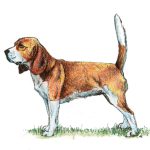
The Beagle presents a sturdy and compact build, giving the impression of quality and strength while maintaining a manageable size. This breed features a straight, level topline and a chest that sits below the elbow, supported by well-sprung ribs which lend a sense of balance and power. Short in the couplings yet well-proportioned, the Beagle is constructed for stamina and endurance rather than sheer speed.
The head is of fair length, slightly domed with a well-defined stop, and ideally free from wrinkles or heaviness. The muzzle is of moderate length—never snipy—with reasonably well-flewed lips and a broad nose that excels in catching scents. Beagle eyes are a defining feature: large, dark brown or hazel, set wide apart to give a soft, appealing expression. Long, low-set ears with rounded tips frame the face and hang close to the cheeks, contributing to their sweet look.
Powerful, muscular hindquarters and straight, upright forelegs enable the Beagle’s long-reaching stride. The tail is sturdy and moderately long, set high and carried gaily without curling over the back. Feet are tight and firm, well padded, and not hare-footed, supporting the breed’s agility and surefootedness.
The Beagle’s coat is short, dense, and weatherproof, offering practical protection from the elements. The breed’s coloration is highly variable, encompassing tricolor (black, tan, and white), blue, white and tan, badger pied, hare pied, lemon and white, red and white, and several mottle variations. White tips on the tail are typical and desirable. Heights range from about 13 to 16 inches at the withers, with a strong, balanced overall impression.
Temperament & Behavior
At home, the Beagle is amiable and alert, showing a steady, even temperament. Its history as a pack hound imbues it with a social nature, preferring to be around people or other dogs rather than spending long stretches alone. This outgoing personality makes the Beagle a delight for families and individuals alike, as it eagerly joins household activities and forms strong bonds with all members of the family—including children.
The breed is known for being “merry”—a term fitting for its natural enthusiasm for life and moderate mischief. The Beagle’s intelligence and determination come through especially during scent work or play, where its persistence shines. Despite possessing great activity and stamina, the Beagle is seldom aggressive or timid, typically displaying a warm curiosity toward both familiar faces and strangers.
Due to their heritage in the hound group, Beagles are trustworthy companions famed for reliability rather than reservedness or aloofness. While friendly, they retain a keen alertness and will often vocalize when visitors arrive, yet rarely in a guarding or territorial manner. With proper introduction and socialization, Beagles usually get along well with other pets and suit homes that can offer regular attention and structure.
Owners should be prepared for a certain degree of independence, especially outdoors where scents can capture a Beagle’s entire focus. Their natural tracking instincts are strong, and recall can be variable without thorough and ongoing training. Early and positive socialization ensures a pleasant household companion with manageable curiosity and confidence.
Care & Living Needs for the Beagle
Beagles need daily exercise, with up to an hour each day being ideal to channel their energy and maintain a healthy weight. Walks in safe, enclosed areas, or on lead, are important as this breed is quick to follow its nose wherever it leads. Play sessions and mental activities such as scent-based games or puzzle toys also benefit this intelligent hound.
These dogs fit comfortably in small houses or apartments with access to a secure garden or outdoor space. While adaptable to both town and country living, their inquisitive nature makes outdoor time valuable. A small or medium-sized garden is ideal for short periods of off-leash exploration, though fencing should be secure.
Grooming Beagles is straightforward thanks to their short, dense weatherproof coat. Brushing once a week helps control shedding and keeps their coat healthy and clean. Like most shedding breeds, more frequent brushing during seasonal changes can minimize loose hair around the home. Bathing is rarely needed except after muddy outings.
Mental stimulation is equally vital—training sessions, scent games, and learning new tricks provide outlets for the Beagle’s clever mind. While eager to please, they can show some independence, so patience and reward-based training methods are most effective. Structured routines help prevent boredom and unwanted digging or howling.
This breed is best matched to owners or families prepared to spend time exercising, socializing, and interacting. For those rarely home or unable to provide consistent outlets for energy, the Beagle may be a challenging fit due to its strong need for companionship and activity.
Health & Common Issues
Beagles are generally robust dogs with a lifespan often exceeding 12 years. Routine veterinary care, a balanced diet, and regular exercise are all vital components in supporting their long-term health. Their active nature and lineage as working hounds help promote soundness and vitality.
As with all breeds, it’s wise to monitor their weight, as Beagles can be opportunistic eaters. Quality nutrition and sensible portion control prevent excess weight, which in turn supports joint, cardiovascular, and overall health. A regular exercise schedule supports flexibility, stamina, and optimal body condition for this energetic breed.
Routine checks for ear cleanliness are worthwhile due to their long, hanging ears. Keeping up with regular dental care, such as brushing teeth or offering appropriate chew toys, further contributes to their well-being. Owners should maintain scheduled vet visits to stay ahead of age-related changes or specific needs.
Official Breed Standard Summary
The official breed standard for the Beagle describes a compact, sturdy hound built for endurance and functionality. Balanced physical proportions, a straight topline, and muscular hindquarters all reflect the breed’s heritage as a scent hound developed to track game over varying terrain. Soundness, both in body and gait, is highly valued, ensuring the dog performs its original role without health issues.
Appearance standards include a slightly domed skull, well-defined stop, broad nose, and long, low-set ears with rounded tips. A straight, dense coat protects against weather, while a diverse color palette—spanning tricolor, pied, mottled forms, and more—adds visual interest. The breed’s tail should be carried high but never curled forward, with a signature white tip.
Movement is described as level and firm, with a free stride and rear drive, ensuring efficient tracking and stamina. Only acceptable colors are permitted according to breed guidelines, with any deviation from described features considered a fault. Males should display two normal testicles fully descended; however, the breed standard’s measurements serve as a guide rather than an absolute rule, allowing some natural variation in size.
The breed standard prioritizes soundness, health, and adherence to functional traits needed for the Beagle’s historic and present-day roles. When seeking a puppy, prospective owners are encouraged to consider these defining features and ensure that health and welfare remain priorities alongside appearance.
Frequently Asked Questions about the Beagle
Is the Beagle good for first-time dog owners?
Beagles are friendly, adaptable, and generally suitable for first-time owners who are able to provide regular exercise and companionship. Their intelligence and sometimes independent nature benefit from consistent, positive training methods.
How much exercise does a Beagle need daily?
A Beagle typically requires up to one hour of exercise per day. This can include walks on lead, playtime in a secure area, and scent-based games that engage their mind as well as their body.
Is the Beagle good with children?
Beagles tend to be gentle and playful, making them a good choice for families with children. Their sociable nature helps them integrate into busy households, provided interactions are supervised as with all dogs and children.
Can the Beagle live in an apartment?
Beagles can adapt to apartment living if they receive enough physical and mental stimulation. Access to outdoor walks and a small, secure outdoor space is ideal to meet their exploratory needs.
How much grooming does a Beagle need?
This breed is low maintenance in terms of grooming, requiring only weekly brushing to keep its short, dense coat in good condition. They do shed, so regular grooming helps minimize hair around the home.
Are there common health concerns in this breed?
Beagles are generally healthy, but like all breeds, benefit from regular veterinary checks and weight management. Attention to ear cleanliness and dental care also supports long-term well-being.


