
What Are the Traits and Care Tips for Bouvier Des Flandres?
The Bouvier Des Flandres stands as a testament to strength, loyalty, and versatility. Originally bred for demanding work, this large and robust dog thrives best with owners who value an engaged, intelligent companion—whether in an active family home, on a country property, or as a dedicated partner for those seeking a reliable working dog. With its unique look and steady temperament, the Bouvier Des Flandres often becomes a loyal fixture in the lives of those ready to meet its needs.
Highly valued for its protective instincts and adaptability, the Bouvier Des Flandres seamlessly blends the roles of guardian, herder, and affectionate companion. While it is not a breed for those seeking a low-maintenance pet, those able to provide space, daily engagement, and structured guidance will be rewarded with a devoted and calm friend who excels both at home and in specialized activities.
- Overview of the Bouvier Des Flandres
- Key Characteristics
- Appearance of the Bouvier Des Flandres
- Temperament & Behavior
- Care & Living Needs
- Health & Common Issues
- Official Breed Standard Summary
- Frequently Asked Questions
Group: Working
Size: Large
Exercise needs: Up to 1 hour per day
Coat length: Medium
Grooming: Every day
Shedding: No
Lifespan: Over 10 years
Ideal home type: Large house
Town or country: Either
Garden needs: Large garden
Overview of the Bouvier Des Flandres
Emerging from the rural regions of Belgium and France, the Bouvier Des Flandres takes its name from its original role—cattle herding. For generations, Bouviers served farmers not just by herding livestock, but also guarding farmsteads and even pulling carts. The breed faced a critical point in history when many of its regional varieties were nearly lost during World War I. Thanks to the dedicated efforts of individuals like Captain Barbry, who safeguarded a surviving Bouvier and meticulously restarted a breeding program, the breed was preserved for future generations.
The Bouvier Des Flandres is celebrated for its impressive power and work ethic, with a reputation for being highly versatile in police, tracking, and even ambulance dog roles. Modern Bouviers still reflect their multipurpose roots, adapting well as family protectors or taking on sport and utility work. Their calm stability makes them well-suited for households wanting a dog that is as comfortable lounging at your feet as performing a task or securing a property.
Ideal for experienced dog owners or those able to dedicate daily time and energy, the Bouvier’s intelligence and strength require thoughtful guidance. With the right balance of work, play, and boundaries, this breed is ready to be a steadfast companion or team member.
Key Characteristics
- Energy level – Moderately energetic and enjoys regular, purposeful exercise.
- Trainability – Responds well to consistent and firm yet fair training, appreciating clear structure.
- Intelligence – Highly intelligent, quick to pick up commands and capable of complex tasks.
- Prey drive – Moderate; bred for herding and guarding rather than strong chasing instincts.
- Social needs – Enjoys being part of the family and typically forms strong bonds with owners.
- Compatibility with families and children – Generally calm and sensible around children when well socialized.
- Compatibility with other dogs – Can coexist with other dogs if introduced properly; supervision is recommended, especially with same-sex dogs.
- Guarding or watchdog tendencies – Natural protectors with keen senses; excellent at watching over home and family.
- Adaptability to city or country life – Can adapt to both environments if provided space and exercise; thrives with a large garden or fenced yard.
- Best suited owner type – Experienced dog owners who understand working breeds and can dedicate time to training and exercise.
- Typical daily routine – Includes walks, mental activities, grooming, and family interaction.
Appearance of the Bouvier Des Flandres
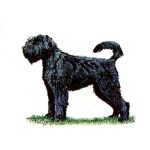
The Bouvier Des Flandres leaves a lasting impression with its rugged, powerful build and characteristic facial furnishings. This is a large, sturdy dog, compact in structure with a broad, deep chest and short-coupled body. When you first see a Bouvier, the strong silhouette hints at the breed’s working heritage, while well-developed muscles and heavy bone structure speak to its strength without giving an impression of clumsiness. Adult males typically stand between 24.5 and 27 inches at the shoulder, weighing around 77–88 pounds, while females are slightly smaller but similarly robust.
The breed’s head is striking, accentuated by a full beard and mustache that create a rather forbidding and wise expression. The skull is flat and proportionally long, with well-developed cheeks and a broad, powerful muzzle. Signature dark, slightly oval eyes convey alertness and intelligence, while high-set triangular ears add to the breed’s expressive demeanor.
Coat is a major feature of the Bouvier. Dense and incredibly thick, the hair is coarse and dries to the touch, offering ample protection from the elements. It measures about 2.5 inches in length, looking rugged and somewhat unkempt—a hallmark of its practical roots. The undercoat is dense, and the coat never appears woolly or curly. Typical colors range from fawn to black, including many brindle shades; a small white star on the chest is acceptable, but white as a predominant color, as well as chocolate brown or diluted shades, is discouraged by breed standards.
Completing the appearance, the breed’s tail may be natural or docked to two or three vertebrae. Their movement is powerful and free, displaying athletic ability rather than showy elegance.
Temperament & Behavior
The Bouvier Des Flandres is renowned for its calm, sensible temperament. Lively and intelligent, Bouviers reveal a quiet confidence that becomes apparent in their daily life. Around the home, they tend to remain composed and observant, balancing affectionate loyalty with a natural inclination to watch over the household.
Historically bred to work alongside humans, Bouviers thrive on active companionship and value being part of daily routines. They often form strong bonds with their family, showing gentle patience with children and a willingness to accept visitors when properly socialized. Early exposure to new experiences, people, and other pets helps them to develop into well-rounded adults.
This breed’s protective instinct remains deeply rooted. The Bouvier is naturally wary of strangers, which is a benefit for families or properties needing a vigilant guardian. However, these instincts should be managed with guidance and regular training to ensure balanced behavior.
Their high intelligence and steady nature also make Bouviers excellent candidates for specialized work, from search and rescue to therapy roles. With a capacity for learning and a strong drive to please, they reward owners who challenge them with interactive activities and problem-solving opportunities.
Care & Living Needs for the Bouvier Des Flandres
Caring for a Bouvier Des Flandres involves meeting both its physical and mental needs. Daily exercise is essential; while not excessive in their energy, Bouviers require up to one hour of purposeful activity. Walks, play sessions, and structured training are all vital components for their health and happiness. A large, securely fenced garden provides welcome freedom to explore and burn off energy.
This breed is best suited to large homes where space is ample and outdoor access is available. While adaptable to town or country living, Bouviers require environments where their strong, working nature can be channeled appropriately. Apartment living is challenging unless exercise and engagement are prioritized every single day.
Grooming is a non-negotiable part of Bouvier ownership. Their medium-length coat requires daily attention to prevent matting and to maintain its protective texture. Since the breed does not shed excessively, regular brushing and combing keep the coat manageable and skin healthy. Occasional baths and careful trimming, especially around the eyes and feet, will help your Bouvier look and feel its best.
Beyond physical activity and grooming, Bouviers need ongoing mental stimulation. Smart and purposeful, they are happiest when given jobs—be it obedience games, advanced training, or even dog sports. They respond best to positive reinforcement paired with consistent, clear boundaries. For inexperienced owners or those unable to dedicate daily time, the breed’s size and needs can become overwhelming, so careful consideration is important before bringing a Bouvier Des Flandres home.
Health & Common Issues
The Bouvier Des Flandres is generally known for good health and a lifespan that often extends beyond 10 years. While the dataset does not list specific health concerns, responsible care includes routine veterinary check-ups, maintaining a healthy weight, and supporting joint health through balanced exercise and proper nutrition.
Owners should pay attention to regular grooming and dental care to promote skin, coat, and oral health. Monitoring for changes in movement or behavior is advised with any large and active breed. Preventive care and an attentive relationship with a qualified veterinarian ensure any concerns are caught early, giving your Bouvier the best chance for a long, active life.
Official Breed Standard Summary
The official breed standard for the Bouvier Des Flandres describes an ideal blend of power, substance, and functionality. The breed is compact yet muscular, designed for stamina and work, with a calm, sensible temperament. Characteristically, the head displays strength and clarity, set off by the breed’s distinctive beard and mustache that underscore its determined expression.
The standard sets height for males at 24.5–27 inches and for females at 23–25.5 inches, with corresponding weight ranges. Only certain colors are permitted, notably black, brindle varieties, fawn, and related tones, with any predominant white or pale shades being highly undesirable. Movement should be powerful and effortless, embodying the breed’s capability for sustained work.
Coat requirements are strict: the hair must be dense and harsh, about 2.5 inches long, with a dense undercoat. Any sign of woolliness or a flat coat is discouraged. Judges and breeders are urged to avoid exaggeration or attributes that would compromise the dog’s health or welfare.
The official notes emphasize soundness above all, and while the breed standard provides a guideline, minor size variation does not disqualify a Bouvier who is healthy and fit for function. Males should have two normal testicles fully descended. Any departure from these points is considered a fault, to be measured according to its effect on the dog’s well-being.
Frequently Asked Questions about the Bouvier Des Flandres
Is the Bouvier Des Flandres good for first-time dog owners?
Due to their size, intelligence, and grooming needs, Bouviers are generally better suited to experienced dog owners. Those new to dog ownership may find the breed’s requirements and strength challenging without prior experience.
How much exercise does a Bouvier Des Flandres need daily?
This breed thrives on up to one hour of purposeful daily exercise, consisting of walks, play, or training activities. They appreciate mentally engaging activities as much as physical movement.
Is the Bouvier Des Flandres good with children?
The Bouvier Des Flandres tends to be calm and steady around children, especially when raised with them and socialized early. Supervision is always recommended due to the breed’s size and protective instincts.
Can the Bouvier Des Flandres live in an apartment?
While adaptable, the Bouvier is best suited to large homes with access to a sizable, secure garden. Apartment living can be difficult unless owners are very committed to providing daily exercise and mental stimulation.
How much grooming does a Bouvier Des Flandres need?
Daily grooming is a must for this breed to keep its dense, medium-length coat free from tangles and mats. Regular attention also helps maintain skin health and comfort for your dog.
Are there common health concerns in this breed?
No specific health concerns are listed in the available data, but regular veterinary care, proper diet, and attention to exercise are important for supporting long-term health. Routine care helps catch any issues early.


