
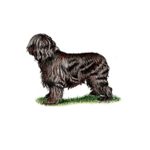
What Are the Traits and Care Tips for the Briard Breed?
The Briard is a striking, energetic, and deeply loyal breed with a storied history as both a herding dog and steadfast companion. For active households who value strong bonds with their pets and can meet their high exercise needs, the Briard offers a rewarding, engaging presence. Their intelligence and enthusiasm for work make them ideal partners for owners who enjoy outdoor activities and purposeful training sessions.
Known for their beautiful long coats and alert demeanor, Briards seamlessly blend rugged working roots with affectionate companionship. They thrive in family settings where their social and protective instincts can shine, and their watchful nature often means they keep a gentle, caring eye on everyone in the household.
- Overview of the Briard
- Key Characteristics
- Appearance of the Briard
- Temperament & Behavior
- Care & Living Needs
- Health & Common Issues
- Official Breed Standard Summary
- Frequently Asked Questions
Group: Pastoral
Size: Large
Exercise needs: More than 2 hours per day
Coat length: Long
Grooming: Every day
Shedding: Yes
Lifespan: Over 10 years
Ideal home type: Large house
Town or country: Either
Garden needs: Large garden
Overview of the Briard
Originating from the Brie region of France, the Briard was traditionally bred to herd and guard sheep. Its roots trace back for centuries, with mentions of the breed appearing in legends as early as the 14th century. The Briard quickly proved its versatility, taking on not only farm duties but also serving admirably in more demanding roles such as supporting military efforts in both World Wars, where they acted as pack dogs and assisted search parties.
This breed appeals to dog lovers looking for a bold, highly intelligent, and devoted companion that’s equally happy to be part of bustling family life or an owner’s outdoor adventures. The Briard’s work ethic is deeply embedded, and they flourish when provided with clear structure, leadership, and meaningful activity.
Owners drawn to the Briard often appreciate a combination of tradition and utility, as well as a dog who offers both an imposing presence and a gentle, affectionate side. The breed’s adaptability means it’s just as at home in spacious country settings as it is in more urban environments, provided its exercise and stimulation requirements are fully met.
Key Characteristics
- Energy level – Briards are highly energetic, requiring vigorous daily activity to remain balanced and healthy.
- Trainability – Their intelligence makes them quick learners, especially when positive, consistent methods are used.
- Intelligence – Briards are renowned for their smart, problem-solving natures and their ability to learn complex tasks.
- Prey drive – They were bred to herd and protect, so a moderate prey drive is present but typically manageable with good training.
- Social needs – Strong bonds with their families and a need for companionship are hallmarks of Briard behavior.
- Compatibility with families and children – Gentle and patient, they make excellent family dogs for households that can meet their needs.
- Compatibility with other dogs – Generally good with other dogs, especially when socialized from an early age.
- Guarding or watchdog tendencies – Natural protectors, Briards are alert to their surroundings and will look after their loved ones.
- Adaptability to city or country life – They can adapt to either environment as long as their exercise and space requirements are satisfied.
- Best suited owner type – Best for experienced, active owners or families who have the time and energy for regular training and engagement.
- Typical daily routine – Their day should include long walks, active play, purposeful tasks, and time engaging with their people.
Appearance of the Briard
The Briard makes a memorable first impression with its rugged and athletic frame. Well-proportioned and muscular, the breed presents a supple yet powerful silhouette, balanced between agility and sturdy reliability. Males typically stand between 24 and 27 inches at the shoulder, while females measure between 23 and 25.5 inches, and both sexes generally carry themselves with a proud, confident air.
The distinctive head features a slightly rounded skull, and the muzzle is square and strong. The eyes are set horizontally, large, and dark brown, radiating intelligence and warmth. Ears are set high, covered with luxurious long hair, and gently lift when the dog is alert, giving the Briard an attentive expression without harshness. The nose is large, square, and always black, complementing strong jaws and a perfect scissor bite.
Briards possess a long, abundant coat that can measure over 2.75 inches in length and features a slightly wavy, dry texture with a dense undercoat for protection. Characteristic facial furnishings include a beard, moustache, and shaggy eyebrows that softly veil the eyes. Colors range from solid black to various shades of fawn, including slate grey, with fawns sometimes showing darker shadings that blend into the main coat color. The tail is long and has an upward hook at the tip, hanging centrally with a lively carriage.
The breed’s limbs are strong and well-muscled, supporting sturdy rounded feet with black nails and thick pads. Double dewclaws are a noteworthy feature on the hind legs, reflecting the breed’s herding heritage. When the Briard moves, its gait is effortless and smooth, covering ground with ease and showcasing notable agility for such a substantial dog.
Temperament & Behavior
Briards have a reputation for being both lively and exceptionally intelligent. Their temperament is marked by fearless confidence without any trace of aggression or undue shyness. At home, these dogs are devoted and attentive, enjoying close relationships with their family members and often serving as gentle yet vigilant guardians.
The breed’s herding roots are evident in its alertness and natural protectiveness. Briards often remain watchful of their surroundings, making them reliable companions for those seeking a dog that will intuitively look out for household safety. Despite their imposing looks and earning their place among working dogs, Briards are affectionate and playful companions, especially when socialized well from puppyhood.
This breed typically integrates well with children and other dogs, particularly when introduced early to a variety of social experiences. They take pleasure in being ‘part of the action’ and do best when fully involved in daily family activities rather than being left alone for long stretches.
Briards thrive when their intelligence and social instincts are regularly exercised. Owners should provide varied challenges and interactive play, recognizing that a bored Briard may try to invent its own jobs around the house or garden.
As members of the pastoral group, Briards share traits seen in other classic herding dogs: a strong work ethic, weatherproof coats, and a resilience cultivated by centuries of outdoor tasks. This makes them well-suited for active owners who appreciate a dog’s sense of purpose and closeness to their human companions.
Care & Living Needs for the Briard
Briards have high exercise requirements, needing more than two hours of activity daily to stay fit and content. Long walks, games of fetch, and tasks that engage both mind and body are all essential for this active breed. They appreciate having space to move, so a large house and a sizable garden are ideal environments for them.
While they can adapt to living in either town or country, the key to their well-being is regular, vigorous activity. Apartments are not typically recommended for Briards unless the owner can fully compensate with plenty of outdoor activity and enrichment; these dogs were bred for work and need outlets for their energy.
The iconic long coat requires daily grooming to prevent mats and tangles. Regular brushing, checking for debris after outdoor adventures, and scheduled baths are important for keeping the coat healthy. Briards do shed, so owners should be prepared for routine cleaning and coat care. Their coats not only enhance their beauty but also protect them from severe weather—another trait from their pastoral background.
Mental stimulation is as vital as physical exercise. Training sessions, herding games, or agility exercises play to their strengths and prevent boredom. Patience, consistency, and positive reinforcement are the best approaches when working with a Briard, as their intelligence responds well to clear, constructive guidance.
Briards are best suited to owners who have experience, time, and the desire to actively engage with their dog every day. Those seeking a quiet, low-energy companion or who travel frequently without the dog may find other breeds more suitable to their lifestyle.
Health & Common Issues
With proper care, Briards commonly enjoy lifespans exceeding ten years. Regular veterinary check-ups and a balanced routine tailored to their age and energy help them stay in prime condition. Given their substantial frame and active disposition, attention to joint care through controlled exercise and weight management is recommended as the dog matures.
Like all breeds with long ears and heavy coats, it’s beneficial to routinely check ears and maintain cleanliness to avoid potential problems. Consistent grooming also supports skin and coat health. Monitoring dental hygiene through tooth brushing or approved chews is a proactive measure for overall wellness.
Ensuring that exercise is appropriate to the dog’s age and condition, without overexertion during growth stages, helps support skeletal and muscular health. Briard owners are encouraged to develop a close relationship with their veterinarian to address routine needs and advice tailored to their individual dog.
Official Breed Standard Summary
The official breed standard for the Briard offers a comprehensive blueprint for the ideal qualities and appearance of the breed. Soundness, proportion, and fitness for purpose are prioritized, ensuring dogs can perform their traditional roles without health or structural compromise. Judges and breeders are encouraged to avoid any exaggerations that could negatively affect the Briard’s welfare or natural abilities.
Briards are expected to be rugged, well-muscled, and slightly longer than they are tall, with adult males reaching heights between 24 and 27 inches and females 23 to 25.5 inches. Coat color standards include solid black, slate grey, or fawn in rich shades, with any other coloration or sharp demarcations considered undesirable. Gait should be smooth, supple, and effortless, allowing the dog to turn and move with significant agility.
The breed standard emphasizes the significance of a long, slightly wavy, and dry coat with a dense underlayer. The head should display balanced rectangles from nose to occiput, and details like large black noses, strong jaws, and signature beards and eyebrows are all essential to the breed’s look. Double dewclaws on the hind legs are a valued hallmark of the Briard’s conformation.
Specific guidance cautions that the written size measurements are a desirable range, but not a guarantee for all individuals, as some variance is natural. Only dogs that uphold the breed’s core features and are free from health-compromising traits should be rewarded in show settings.
Frequently Asked Questions about the Briard
Is the Briard good for first-time dog owners?
Briards are intelligent and energetic, generally best suited to owners with experience in handling active and strong-willed breeds. First-time dog owners may manage with ample research and commitment, but the breed’s needs can be challenging without prior dog experience.
How much exercise does a Briard need daily?
Briards require more than two hours of physical activity every day. This can include walking, running, play, and training; meeting these needs is vital for their well-being and happiness.
Is the Briard good with children?
Briards tend to be gentle and patient with children, making them strong family companions. Early socialization and supervision are recommended to help the dog interact politely and safely, especially given their size and energy level.
Can the Briard live in an apartment?
This breed is best suited to larger living spaces such as houses with gardens. While some Briards may adapt to apartment life with very active owners, their high exercise needs and size make spacious environments much more comfortable for them.
How much grooming does a Briard need?
Briards have long coats that need daily brushing to prevent matting and keep the coat in good condition. Owners should also be ready to manage moderate shedding and regular checks for debris after outdoor activity.
Are there common health concerns in this breed?
The Briard is generally a healthy breed with a lifespan often exceeding ten years when cared for properly. Routine veterinary visits, grooming, and maintaining an appropriate exercise routine help keep them in optimal shape throughout their lives.


