
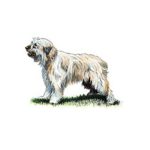
What Are the Traits and Care Tips for the Catalan Sheepdog?
The Catalan Sheepdog is an intelligent, adaptable, and affectionate breed that thrives with active families and dog lovers seeking a devoted companion. Whether you’re drawn to their working heritage or searching for a loyal family pet, the Catalan Sheepdog brings both a reliable guardian spirit and heartfelt companionship into the home. With a history rooted in herding and guarding livestock in the Spanish Pyrenees, these dogs maintain a balance of independent thinking and deep loyalty to their people.
This breed is known for its weatherproof coat, robust constitution, and gentle yet alert character. Catalan Sheepdogs are well-suited to those who can meet their mental and physical needs and value a dog with both working instincts and a loving temperament. If your lifestyle allows for daily engagement, regular grooming, and a welcoming environment, you’ll find a steadfast and charming partner in the Catalan Sheepdog.
- Overview of the Catalan Sheepdog
- Key Characteristics
- Appearance of the Catalan Sheepdog
- Temperament & Behavior
- Care & Living Needs
- Health & Common Issues
- Official Breed Standard Summary
- Frequently Asked Questions
Group: Pastoral
Size: Medium
Exercise needs: Up to 1 hour per day
Coat length: Medium
Grooming: Once a week
Shedding: No
Lifespan: Over 10 years
Ideal home type: Small house
Town or country: Either
Garden needs: Small/ medium garden
Overview of the Catalan Sheepdog
The Catalan Sheepdog has its roots in Northeastern Spain, particularly the Spanish Pyrenees, where it was traditionally cherished as a flock herder and guardian. In its native land, this breed—known locally as the Gos d’atura Català—remains a familiar and valued presence among shepherds and rural families. Through decades of diligent service, the Catalan Sheepdog has proven indispensable on farms, blending resilience with intelligence and unwavering loyalty.
In modern times, the breed’s sound temperament and adaptability have made it increasingly popular as a family companion far beyond its agricultural origins. Owners are drawn to the Catalan Sheepdog for its balance of independence and affection: these dogs are bold enough for demanding outdoor work yet sensitive and gentle within the household. Their versatility makes them a strong match for both rural and urban living, provided their physical and mental needs are met.
The Catalan Sheepdog thrives with owners who understand its herding heritage and can offer engagement through activity and companionship. Those able to provide space for play, daily exercise, and appreciation for a working dog’s mindset will be rewarded with a deeply bonded and protective four-legged friend.
Key Characteristics
- Energy level – Moderately high, needing regular activity to stay healthy and content.
- Trainability – Eager to please and responsive, learning quickly when treated with consistency and encouragement.
- Intelligence – Exceptionally smart, capable of independent thought and complex problem-solving.
- Prey drive – Moderate; bred primarily to herd rather than hunt, but still alert outdoors.
- Social needs – Enjoys companionship, particularly with their family, but can be reserved with strangers at first.
- Compatibility with families and children – Excellent; gentle and patient, making them reliable around children when properly socialized.
- Compatibility with other dogs – Generally good, especially when raised alongside other dogs and socialized early.
- Guarding or watchdog tendencies – Naturally alert and attentive, making them effective at watching over home and livestock.
- Adaptability to city or country life – Suited to both environments, provided exercise and stimulation requirements are met.
- Best suited owner type – Active individuals, couples, or families who enjoy interactive play and outdoor adventures.
- Typical daily routine – Benefits from a combination of walks, off-leash play in secure areas, and training or problem-solving activities.
Appearance of the Catalan Sheepdog
Catalan Sheepdogs present a sturdy, well-balanced silhouette and are classified as medium-sized dogs. They carry an impression of strength without heaviness, with bodies slightly longer than they are tall, ideally following a 9:8 length-to-height proportion. Males typically stand between 18.5 and 21.5 inches at the shoulder, while females measure slightly less. Whether working or at rest, their muscular build reflects a legacy of physical outdoor work.
Their dense, rough double coat is a distinctive feature, weatherproofing them effectively for life in the mountains. Coat hair may be straight or with a gentle wave, and a fine, dense undercoat sits beneath coarser outer hair. Characteristic furnishings such as moustache, beard, and eyebrows give them a wise and noble expression—though the eyes remain clear and visible. The fur is particularly abundant on the hindquarters, tail, legs, and between the toes, offering additional protection during work.
Color-wise, the Catalan Sheepdog comes in shades of fawn, sable, and grey, along with black with fawn or grey highlights at the edges. Some dogs may display a frosted effect with white, although large white or black patches are considered undesirable. The overall effect from a distance may appear self-colored, but closer inspection reveals subtle blends of various hues. Their eyes are round and range from dark amber to chestnut with alert, intelligent expressions, while ears are triangular, set high, and carried close to the head, covered in long hair with fringes.
The tail is set low, well-coated, and can hang in a curve or hook, often forming a sabre shape; some dogs may even be born tailless. The breed’s distinctive double dewclaws on the hindlegs are a hallmark, providing utility and stability. Altogether, the Catalan Sheepdog demonstrates both rugged beauty and purposeful design, shaped for endurance and diverse climates.
Temperament & Behavior
At home, the Catalan Sheepdog is a devoted and interactive companion, quickly forming close bonds with family members. This breed shows exceptional loyalty and is typically alert to the activities in its environment, adhering to its working heritage. While affectionate and easy to train, they may show initial wariness around strangers, often taking a cautious approach until they feel secure.
Catalan Sheepdogs shine in households that offer regular structure and clear communication. They are known for their intelligence and amenability, responding well to praise and positive reinforcement. Because of their herding background, they thrive on routine and purpose, flourishing when given roles to perform, from participating in games to joining family walks or accompanying children in the yard.
With children, these dogs tend to be gentle and patient, making them a trustworthy option for active families. Socialization is important to maintain their open, friendly nature, especially around other animals and household pets. When introduced carefully, Catalan Sheepdogs are usually compatible with other dogs, but their alertness may make them vigilant overseers in multi-pet homes.
Part of the broader Pastoral group, the breed is naturally suited to herding tasks and displays adaptability across various climates thanks to its protective double coat. Alert but not nervous, the Catalan Sheepdog makes a reliable family guardian without excessive aggression or anxiety.
Care & Living Needs for the Catalan Sheepdog
The Catalan Sheepdog’s exercise requirements are balanced yet important: a daily walk of up to one hour, combined with room for play in a small or medium garden, meets their needs. These dogs do best with access to regular activity, including both mental and physical challenges. Homes with outdoor spaces are ideal, but their adaptable nature means they can thrive in small houses or even town settings, as long as they receive enough daily stimulation.
Grooming is relatively straightforward, with a medium-length coat that benefits from brushing once a week. This maintenance helps manage tangles and keeps their coat in top condition, though the breed is not known for excessive shedding. Occasional extra attention during seasonal changes and regular checks of feet and ears are advisable, given their dense hair on these areas.
Mental stimulation is just as crucial as physical exercise for the Catalan Sheepdog. They excel at obedience and benefit from training activities that tap into their intelligence and working instincts. Variety in games, new experiences, and ongoing training keeps them happy and well-behaved. Because of their heritage, these dogs do not do well with boredom or confinement for long periods; families or individuals who spend extensive time away or cannot commit to daily interaction may not be the best fit.
Catalan Sheepdogs are a great match for those ready to engage with an intelligent, loyal, and adaptable companion. However, they may not be suitable for those seeking a purely sedentary lapdog or owners who prefer minimal interaction with their pets.
Health & Common Issues
The Catalan Sheepdog generally enjoys a long life, with many individuals living well over ten years. No specific health warnings are noted for this breed, reflecting a robust constitution shaped by generations of working in challenging climates. While some general canine health topics are always relevant, such as maintaining a healthy weight and dental hygiene, there are no distinctive breed-linked concerns implied in the available information.
Regular veterinary checkups, a balanced diet, and appropriate exercise are fundamental to keeping a Catalan Sheepdog healthy. Owners should pay attention to routine maintenance of teeth, ears, and nails—as with any breed—while also offering mental activity to support their keen minds. Because of their dense coat and double dewclaws, periodic checks for debris or matting, especially after outdoor adventures, are practical habits.
With careful management and recognition of their need for activity and engagement, the Catalan Sheepdog proves to be a hardy and resilient partner that rarely encounters major health issues when properly cared for.
Official Breed Standard Summary
The official breed standard for the Catalan Sheepdog offers a thorough description of its ideal features, serving as a guideline for their characteristics, temperament, and structure. This framework emphasizes the importance of soundness and balance, discouraging any trend or feature that could compromise health, welfare, or utility. Judges and breeders are advised to avoid encouraging exaggerations, instead prioritizing a well-rounded and fit specimen.
Catalan Sheepdogs are described as hardy, well-proportioned, and slightly longer than tall, with strong bone structure and a dense, rough-textured weatherproof coat. Their ideal height accommodates moderate differences between males and females but remains in the medium range. The preferred coat colors span fawn, sable, grey, and black with subtle shadings, while large black or white patches are to be avoided. Movement is expected to be smooth and free, reflecting stamina and energy rather than flashiness.
Physical traits such as prominent double dewclaws on the hindlegs and a well-furnished tail (sometimes naturally absent) define the breed, along with well-formed feet and distinct facial furnishings. The standard stresses that any features diverging from these descriptions should be weighed appropriately, keeping the focus on health and practical function. It is also noted that male dogs should have two testicles fully descended into the scrotum—a detail relevant for breeding and showing purposes.
The standard serves as a guide rather than an absolute measure: some individual dogs may fall slightly outside suggested dimensions. The ultimate aim is a dog that is fit for work, healthy, and exhibits the temperament and character intrinsic to the breed.
Frequently Asked Questions about the Catalan Sheepdog
Is the Catalan Sheepdog good for first-time dog owners?
The Catalan Sheepdog is intelligent and eager to please, which can make them suitable for first-time owners who are prepared for regular engagement and training. Enthusiastic participation in their care and activity needs helps ensure a positive experience for both dog and owner.
How much exercise does a Catalan Sheepdog need daily?
This breed thrives on up to one hour of daily exercise, which can include walks, playtime, or problem-solving tasks. Regular activity supports their health and fulfills their mental and physical needs.
Is the Catalan Sheepdog good with children?
Catalan Sheepdogs are typically gentle and reliable with children, especially when socialized from an early age. Their calm and adaptable temperament lends itself well to active family life.
Can the Catalan Sheepdog live in an apartment?
While adaptable, the Catalan Sheepdog does best in a home with access to a small or medium-sized garden. Apartment living is possible if the owner commits to daily walks and ample stimulation, but space to move is always welcomed.
How much grooming does a Catalan Sheepdog need?
The coat requires brushing about once a week to stay healthy, with increased attention during seasonal changes. The breed is not known for heavy shedding, making coat maintenance straightforward for most owners.
Are there common health concerns in this breed?
No breed-specific health problems are noted for the Catalan Sheepdog. Good care, balanced activity, and regular veterinary visits help maintain their excellent standard of health.


