

Hungarian Vizsla – Breed Information, Traits & Complete Guide
The Hungarian Vizsla is an elegant, energetic companion renowned for its affectionate nature and keen intelligence. This breed excels as a working gundog, an agile sporting partner, and a devoted family member, making it a versatile choice for active households. Whether you’re drawn to the Vizsla’s striking russet gold coat or its loyal demeanor, this breed offers a remarkable blend of athleticism and sensitivity.
Ideal for owners who enjoy a dynamic lifestyle, the Hungarian Vizsla thrives in homes where exercise, engagement, and companionship are abundant. Their affable temperament, eagerness to please, and strong family bond make them beloved companions, while their origin as skilled hunting dogs ensures they have both the energy and the stamina to keep up with life’s adventures, indoors and out.
- Overview of the Hungarian Vizsla
- Key Characteristics
- Appearance of the Hungarian Vizsla
- Temperament & Behavior
- Care & Living Needs
- Health & Common Issues
- Official Breed Standard Summary
- Frequently Asked Questions
Group: Gundog
Size: Large
Exercise needs: More than 2 hours per day
Coat length: Short
Grooming: Once a week
Shedding: Yes
Lifespan: Over 12 years
Ideal home type: Large house
Town or country: Either
Garden needs: Large garden
Overview of the Hungarian Vizsla
The Hungarian Vizsla traces its heritage to the vast plains of Hungary, where it was prized for its skills in falconry as far back as the 14th century. Bred for versatility, Vizslas were used to hunt fur and feather, point, and retrieve game from both land and water. The breed’s resilient, slightly oily coat helped it work effectively in the high temperatures of Hungarian plains.
By the late 19th century, the Vizsla population dwindled, leading to careful breeding with other pointing dogs to maintain their exceptional hunting abilities. Despite the hardships faced during the world wars, committed owners preserved the breed by taking their dogs abroad, ensuring the Vizsla’s continued legacy. Today, their noble bearing and robust physique make them equally at home in the field, as loving family pets, or as athletic partners for outdoor activities.
The Hungarian Vizsla best suits active individuals or families with the space and time to accommodate their need for exercise and companionship. Their loyal and affectionate nature, combined with intelligence and trainability, appeals to those seeking a dog that is engaged in daily life and integrates seamlessly into both outdoor adventures and home routines.
Key Characteristics
- Energy level – Exceptionally high; requires extensive daily activity to stay happy and balanced.
- Trainability – Responsive and eager to please, the Vizsla takes well to consistent training.
- Intelligence – Quick to learn and mentally agile, this breed enjoys mastering new tasks and commands.
- Prey drive – Natural hunting instincts are strong; best managed through positive redirect and supervision.
- Social needs – Thrives on human companionship; can be prone to separation anxiety if left alone frequently.
- Compatibility with families and children – Gentle and demonstratively affectionate; typically bonds closely with all family members, including children.
- Compatibility with other dogs – Generally sociable with other canines, especially if well-socialized from a young age.
- Guarding or watchdog tendencies – Naturally protective and alert, though not typically aggressive; makes for a watchful yet friendly presence.
- Adaptability to city or country life – Can adapt well to either setting, provided exercise and stimulation needs are met.
- Best suited owner type – Active owners, couples, or families able to dedicate time to training and exercise suit the breed best.
- Typical daily routine – Includes long walks, vigorous play, training sessions, and lots of close interaction with people.
Appearance of the Hungarian Vizsla
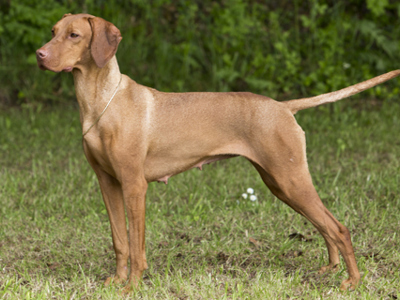
The Hungarian Vizsla exudes an air of distinction with its medium-to-large, well-balanced build. These dogs possess a robust but lightly boned physique, radiating both elegance and athletic strength. Males typically stand 22½ to 25 inches at the withers, while females measure between 21 and 23½ inches. Body weight generally ranges from 44 to 66 pounds, giving the breed a solid but agile frame.
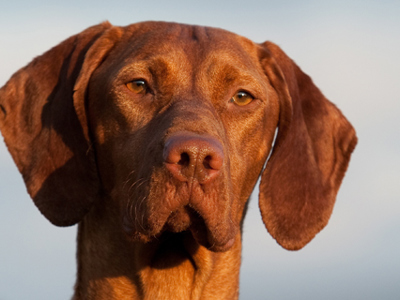
The head is a defining feature—long, noble, and with moderate width between the ears. Their muzzle is strong and tapers smartly, ending with a square tip and a brown nose. Eyes are slightly oval and a shade darker than the coat, conveying an expressive, intelligent gaze. Ears are set moderately low, long, and lie close to the cheeks in a gentle ‘V’ shape, never fleshy, contributing to the breed’s aristocratic profile.
The Vizsla’s body maintains a harmonious outline, with a level, muscled back, pronounced withers, and a moderately broad, deep chest. The limbs are straight and strong with upright pasterns and well-developed thighs, giving the dog both grace and powerful ground-covering movement. Feet are compact, cat-like, and strong, with dark nails matching the unique coat color.
The coat is uniformly short, dense, smooth, and somewhat greasy to the touch, designed to withstand intense weather and rough terrain. The breed is best known for its trademark russet gold coat—small white marks on chest or feet are allowed, but any other colors are not accepted in the breed standard. Tails, whether docked by a third or left natural, are moderately thick and carried horizontally when the dog moves, accentuating their dynamic presence.
Temperament & Behavior
Hungarian Vizslas are celebrated for their lively, gentle nature and remarkable affection toward their families. Their sensitive temperament makes them highly attuned to their environment and to the moods of the people around them. They are quick to bond with all members of the household and are known for displaying demonstrative affection, often seeking physical closeness and attention.
At home, the Vizsla is both gentle and playful, fitting seamlessly into well-adjusted families. Their intelligence and eagerness to please place them among the easier breeds to train, especially when positive methods are used. These traits, combined with their origins as hunt, point, and retrieve dogs, translate into a strong work ethic and an enthusiastic readiness for daily activity.
The breed’s social nature means they enjoy the company of both people and other dogs. When properly socialized, Vizslas typically get along well with children and other pets, making them strong candidates for family living. They do, however, have a well-developed protective instinct, resulting in a fearless approach to anything they perceive as a threat, though aggression is not a defining trait.
Vizslas respond poorly to being left alone for extended periods and may develop anxiety or destructive behaviors if their social and mental needs are unmet. For owners able to offer structure, activity, and plenty of love, they return devotion tenfold—a true companion dog ready for adventure or relaxation in equal measure.
Care & Living Needs for the Hungarian Vizsla
Dedicating time to exercise is fundamental with a Hungarian Vizsla. With a need for more than two hours of daily activity, these dogs flourish when given opportunities for runs, long walks, and active games. Their endurance and agility mean they excel in canine sports and are happiest when included in the outdoor routines of their owners.
Home environment matters, as Vizslas are best suited to larger houses with spacious gardens where they have room to play and explore. They adapt to life in towns or rural settings, provided their exercise needs are met. A fenced, secure area allows them to expend energy safely, reducing the likelihood of boredom-driven mischief.
Despite their short, dense coat, Vizslas do shed and require weekly grooming to keep their coat healthy and minimize loose hair. Occasional wiping of their undersides is useful after walks through muddy or grassy areas. The breed’s coat is naturally shiny and smooth, with a slightly greasy feel that helps repel dirt and moisture.
Mental engagement is as important as physical activity. Regular training sessions, puzzle toys, scent games, or new commands help satisfy their intelligence and reinforce desired behaviors. Vizslas thrive on routine, consistency, and gentle guidance. Less suitable for homes where they would be alone frequently or for those seeking a low-energy companion, the breed’s demands are balanced by their loyalty and affectionate disposition.
Health & Common Issues
Hungarian Vizslas are generally robust and can enjoy a lifespan exceeding 12 years when cared for thoughtfully. The breed’s medium build, athletic strength, and short coat contribute to its active and hardy reputation. Routine veterinary health checks are important for maintaining long-term well-being and catching potential concerns early.
Responsible ownership includes monitoring weight, maintaining dental hygiene, and ensuring proper nutrition for growth and maintenance. Balanced exercise tailored to their age and ability keeps their joints and muscles strong without strain. As with all breeds, keeping an eye on changes in movement, appetite, or behavior provides valuable clues about health.
Though no specific health issues are indicated by the breed information provided, the Vizsla’s overall soundness and versatility are hallmarks of its appeal. Owners who commit to preventative care and a healthy, active lifestyle can expect many years of spirited companionship from this breed.
Official Breed Standard Summary
The official breed standard outlines the Hungarian Vizsla as a medium-sized, distinguished dog built with robust yet moderate bone. The guidelines emphasize the importance of health, welfare, and absolute soundness, warning against any exaggerations or conditions that could harm the dog’s function or well-being. With its noble bearing, the breed should always present a harmonious and elegant appearance.
A Vizsla’s ideal height ranges from 21 to 25 inches at the withers, with a weight of 44 to 66 pounds. The breed’s hallmark coat is short, straight, dense, and notably smooth, exuding a russet gold hue—other colors or patterns fall outside the accepted standard. Movement is expected to be graceful, lively, and efficient, reflecting the breed’s athletic lineage.
Distinct features, such as a noble head, slightly oval darker eyes, proportionately long ears, and powerful, well-aligned jaws, are all integral to the breed profile. The body is well-muscled, with a high wither, level back, deep chest, and a slight tuck-up at the loin. Tails should be moderately thick and carried horizontally during movement, and feet must be rounded and cat-like in form.
The breed standard cautions against any faults and notes that no feature or characteristic should be present to an exaggerated or detrimental degree. Any colors outside the permissible russet gold, as well as significant departures from structure or temperament, are strictly disallowed. The guidance on size is meant as an ideal—individual dogs may be larger or smaller, and healthy function remains the overriding priority.
Frequently Asked Questions about the Hungarian Vizsla
Is the Hungarian Vizsla good for first-time dog owners?
The breed’s trainability and affectionate nature can make it suitable for dedicated first-time owners who are prepared for an active, energetic dog. Their high exercise needs and desire for companionship may pose a challenge for those not ready to invest daily time and effort.
How much exercise does a Hungarian Vizsla need daily?
This breed requires more than two hours of exercise each day, thriving with long walks, runs, and vigorous play. Insufficient activity can lead to restlessness or unwanted behaviors in such a high-energy dog.
Is the Hungarian Vizsla good with children?
Hungarian Vizslas are generally gentle and affectionate, bonding closely with children and participating enthusiastically in family life. As with any breed, supervision and proper socialization are important to ensure safe, positive interactions.
Can the Hungarian Vizsla live in an apartment?
While adaptable, the Vizsla’s size and exercise requirements make apartment living challenging unless owners are highly committed to providing ample daily activity and mental stimulation. A large house with a garden is preferable for this breed.
How much grooming does a Hungarian Vizsla need?
Vizslas have short, dense coats and typically require brushing about once a week. While they do shed, their grooming needs remain fairly low compared to many breeds.
Are there common health concerns in this breed?
The breed standard does not highlight specific inherited health issues. With responsible care, routine veterinary visits, and healthy lifestyle management, Hungarian Vizslas are generally long-lived and robust.


