
What Are the Traits and Care Tips for a Kerry Blue Terrier?
The Kerry Blue Terrier is a distinctive breed prized for its striking coat and spirited character. Suited to dog lovers who appreciate a lively, clever companion, this terrier brings both energy and loyalty into the home. Its striking blue-tinged coat and storied Irish heritage add a sense of history and charm, making this breed a fascinating choice for those seeking both personality and style in a dog.
Often thriving as a family companion, versatile working dog, and determined vermin hunter, the Kerry Blue Terrier excels in active households ready to meet its mental and physical needs. Those who can offer daily engagement and structure will find this breed’s tenacity and affectionate side a rewarding match.
- Overview of the Kerry Blue Terrier
- Key Characteristics
- Appearance of the Kerry Blue Terrier
- Temperament & Behavior
- Care & Living Needs
- Health & Common Issues
- Official Breed Standard Summary
- Frequently Asked Questions
Group: Terrier
Size: Medium
Exercise needs: Up to 1 hour per day
Coat length: Medium
Grooming: Once a week
Shedding: No
Lifespan: Over 10 years
Ideal home type: Small house
Town or country: Either
Garden needs: Small/ medium garden
Overview of the Kerry Blue Terrier
The Kerry Blue Terrier traces its roots to County Kerry, Ireland, where its name and unique coat color originate. Initially bred for a practical purpose, these dogs excelled at ridding farms and homes of rats and other vermin, and they became adept hunters in rivers pursuing otter. Their blue-toned, silky coats are as much a tribute to their region of origin as they are to selective breeding for utility and appearance.
First making an appearance at Irish dog shows in the early 20th century, the Kerry Blue Terrier quickly captured attention for its blue coat, which develops fully as dogs mature. While the breed was initially classified under a different terrier name, the distinct identity of the Kerry Blue soon emerged, reflecting both its looks and its renowned temperament. This breed is best suited to individuals or families seeking an energetic and adaptable dog, one that thrives on interaction, training, and a bit of challenge.
Although the glamorous coat may suggest a show dog, the Kerry Blue Terrier’s working roots remain strong. Today, they are appreciated for companionship, agility, and loyal, determined spirits. Their balance of beauty and bravery makes them equally at home in modern family life or more rural, active settings.
Key Characteristics
- Energy level – Lively and active, the Kerry Blue Terrier has a moderate to high energy level, enjoying regular exercise and play.
- Trainability – Intelligent and eager, this breed responds well to consistent, positive training methods but can show stubbornness if not engaged.
- Intelligence – Quick to learn, the Kerry Blue is known for problem-solving and enjoys mental stimulation.
- Prey drive – With strong terrier instincts, they retain a notable prey drive, especially toward small animals due to their hunting heritage.
- Social needs – These dogs crave interaction with their family and can become bored or mischievous if left alone for long periods.
- Compatibility with families and children – Affectionate and playful when socialized, they often bond closely with children and enjoy family activities.
- Compatibility with other dogs – Socialization is key, as some may display assertiveness toward unfamiliar dogs.
- Guarding or watchdog tendencies – Vigilant and alert, the breed often serves as an enthusiastic watchdog, letting their families know of any unusual activity.
- Adaptability to city or country life – Their medium size and adaptable nature suit both urban and rural living, provided they have daily opportunities for activity.
- Best suited owner type – People with some dog experience or those committed to structure and engagement are ideal for this spirited terrier.
- Typical daily routine – Includes a brisk walk, engaging playtime, mental challenges, and regular interaction with their household.
Appearance of the Kerry Blue Terrier
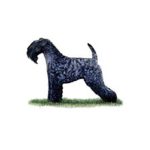
The Kerry Blue Terrier is a medium-sized dog with a well-balanced and muscular physique. Its proportions convey both strength and elegance, with a body that is compact yet graceful. Standing around 18 to 19 inches at the shoulder for males—females slightly smaller—this breed has a weight range that typically falls between 33 to 37 pounds for fully developed males, with females proportionally lighter.
The Kerry Blue is most easily recognized by its soft, silky, and wavy coat. Puppies are born black, with the signature blue color gradually appearing and fully developing by 18 months of age. Acceptable shades range from lighter blue to black turning blue, sometimes with minimal black points. A small white patch on the chest may occur, yet other colors are not accepted for this breed. The coat does not shed, but it grows continually, requiring regular grooming to keep its distinctive appearance.
Facially, the Kerry Blue’s head is long and lean with a slight stop and pronounced jaw strength. Dark, expressive eyes project intelligence and alertness, while the small to medium, V-shaped ears are carried forward. The tail, whether docked or natural, sits high on the body and is carried jauntily, enhancing the confident posture of the breed. Small, round black-nailed feet and a level topline complete the picture, presenting a dog that exudes confidence and readiness for action.
Temperament & Behavior
Disciplined gameness is at the core of the Kerry Blue Terrier’s temperament. These dogs are bold, courageous, and do not shy away from a challenge—a reflection of their historical use as ratters and hunters above and below ground. Despite their glamorous coat, they maintain an unmistakably feisty terrier spirit, full of determination and “terrier style.”
Within the home, the Kerry Blue is affectionate, interactive, and often forms a tight bond with family members. They are known to greet their people with enthusiasm and seek out attention and engagement. Properly socialized Kerry Blues can be reliable companions for children, though as with any terrier, respect and boundaries should be encouraged to prevent rough play from either side.
Interactions with other dogs can be smooth when the Kerry Blue is socialized early, yet their history and inner confidence sometimes show as assertiveness. Some Kerry Blues may prefer being the only pet, especially if they have a strong prey drive toward smaller animals. Owners should note the need for clear leadership and ongoing training—this breed appreciates routine, games, and challenges that satisfy their clever minds and active bodies.
The Kerry Blue’s keen senses and alert attitude mean they are ready to inform their family of anything unusual, making them dependable watchdogs as well. Their strong character and zest for life make them rewarding for families and individuals who appreciate a bit of spirited mischief paired with unwavering loyalty.
Care & Living Needs for the Kerry Blue Terrier
Regular daily exercise is important for the Kerry Blue Terrier, with a typical need of up to one hour per day. This can include brisk walks, play sessions in the garden, or engaging in interactive games that stimulate both mind and body. Activity helps channel their energy and keeps them from developing unwanted behaviors.
The Kerry Blue adapts well to small houses, and they are comfortable living in either city or country settings. A small or medium-sized garden gives them space to explore and play, but even urban dwellers can provide the necessary exercise through walks and trips to secure outdoor spaces. Their non-shedding, medium-length coat requires once-weekly grooming to prevent matting and to maintain the soft, wavy texture. Although labeled as “no shedding,” the hair is continually growing and must be trimmed regularly for hygiene and presentation.
Mental stimulation is just as important as physical activity for this intelligent breed. Training sessions, puzzle toys, and new tasks keep the Kerry Blue engaged and satisfied. Early socialization is important for ensuring good relationships with other pets and people. Owners who are not able to provide consistent activity or those who prefer a completely low-maintenance breed may find the Kerry Blue Terrier challenging.
This breed is not ideal for those who want a low-energy, entirely hands-off pet, or who are unable to commit to regular grooming and daily engagement. Busy individuals or families with limited time for interaction and exercise should carefully consider if their lifestyle suits the Kerry Blue’s needs.
Health & Common Issues
The Kerry Blue Terrier is generally a robust and healthy breed with a lifespan typically exceeding ten years. With their well-developed, athletic bodies, they enjoy an active lifestyle and are not prone to excessive weight gain if exercised appropriately. The breed standard emphasizes absolute soundness and discourages any condition that might affect their health or welfare.
Because the breed does not shed, regular grooming is essential to keep the coat clean and free from matting, which can indirectly support skin health. Like all dogs, routine veterinary checkups, proper dental care, weight control, and regular exercise are the best strategies to promote long-term health and detect any issues early.
No specific health problems are highlighted in the available information, but responsible breeders and owners are encouraged to prioritize soundness, balanced proportions, and to avoid any exaggerations in form or temperament. Monitoring for signs of discomfort or changes in behavior is always important, as with any active breed.
Official Breed Standard Summary
The official breed standard describes the Kerry Blue Terrier as a well-proportioned, muscular dog with a distinctly graceful and powerful terrier build. The emphasis is on maintaining absolute soundness and a structure that supports the breed’s historic working function. Males typically reach 18 to 19 inches in height and 33 to 37 pounds in weight, with females slightly smaller.
The breed’s unique silky, wavy coat is a defining feature, presenting in shades of blue that may include black points or a subtle white patch on the chest. Puppies start with a black coat, which transitions to blue as they mature. The coat requires regular care and should feel soft and plentiful, with the wavy texture adding to their elegance and appeal.
Movement should be free and powerful, with forelegs and hindlegs moving straight and parallel. The breed standard discourages excessive traits or exaggerations that could negatively impact health, and any fault should be evaluated based on its effect on the dog’s general well-being. The balanced tail, compact feet, and keen expression all contribute to a dynamic, confident silhouette.
The breed standard also highlights that ideal measurements serve as a guide, not a strict limitation—some variation is expected among individual dogs. However, key physical and temperament traits should always be expressed in moderation, ensuring the Kerry Blue Terrier remains a fit and functional example of its historic lineage.
Frequently Asked Questions about the Kerry Blue Terrier
Is the Kerry Blue Terrier good for first-time dog owners?
The Kerry Blue Terrier is intelligent and loyal, but its spirited temperament and need for regular training can be a challenge for first-time dog owners. Those willing to invest time and consistency can find the breed rewarding, especially with support and early training.
How much exercise does a Kerry Blue Terrier need daily?
Most Kerry Blue Terriers thrive on up to one hour of daily exercise, which should include walks and opportunities for active play. Mental stimulation through games or training is equally important to keep them content and well-behaved.
Is the Kerry Blue Terrier good with children?
Properly socialized Kerry Blue Terriers are affectionate and playful with children, making them good family companions. As with any dog, supervision and guidance ensure positive interactions, especially during play.
Can the Kerry Blue Terrier live in an apartment?
These terriers can adapt to apartment living if their activity needs are consistently met. Regular walks, structured play, and mental challenges help them remain happy and well-adjusted even in smaller spaces.
How much grooming does a Kerry Blue Terrier need?
The silky, wavy coat requires at least weekly grooming to prevent mats and maintain its signature appearance. Despite not shedding, their hair grows continuously and should be trimmed regularly for health and comfort.
Are there common health concerns in this breed?
The Kerry Blue Terrier is generally robust, with soundness and functional health considered priorities in the breed standard. As with all breeds, routine veterinary care and regular observation of their wellbeing are recommended.


