
What Are the Traits and Care Tips for Maltese Dogs?
The Maltese is a cherished toy breed renowned for its elegant appearance, affectionate nature, and suitability for both city and country living. With a long, flowing white coat and a compact frame, the Maltese stands out as a quintessential companion dog, beloved by those looking for a devoted pet that fits seamlessly into smaller homes and apartments. Its lively spirit, intelligence, and gentle demeanor make it an excellent choice for families, singles, and seniors alike.
This breed thrives on companionship and attaches strongly to its people, offering steadfast loyalty and warmth. Well-suited for those seeking a dog who enjoys being pampered and included in daily activities, the Maltese brings charm and joy into the home environment. Its small size, adaptability, and engaging character continue to endear the breed to dog lovers across generations.
- Overview of the Maltese
- Key Characteristics
- Appearance of the Maltese
- Temperament & Behavior
- Care & Living Needs
- Health & Common Issues
- Official Breed Standard Summary
- Frequently Asked Questions
Group: Toy
Size: Small
Exercise needs: Up to 30 minutes per day
Coat length: Long
Grooming: Every day
Shedding: No
Lifespan: Over 12 years
Ideal home type: Flat/ Apartment
Town or country: Either
Garden needs: Small/ medium garden
Overview of the Maltese
The Maltese is among the oldest of the toy breeds, steeped in a rich Mediterranean history. Small, white dogs adorned with luxurious, silky coats have been pampered pets in this region for centuries. Traders are believed to have introduced the breed to Malta, where it found favor among nobility and was frequently depicted in early art and literature, signifying its longstanding popularity. The Royal Library of Malta preserves portraits from the 1800s showing dogs remarkably similar to the Maltese known today.
Initially bred with companionship in mind rather than work, the Maltese was sought after for its appealing demeanor and striking looks. Its primary role has always been as a loving lap dog, bringing comfort and joy to its owners instead of serving as a traditional working breed. This legacy as a companion shines through in its affectionate nature and adaptability, making it a favorite in both grand estates and modest apartments.
The Maltese is a wonderful fit for individuals and families looking for a gentle, intelligent, and engaging pet. Owners who enjoy daily interaction, have time to devote to grooming, and are looking for a small but lively companion often find the Maltese to be the perfect choice.
Key Characteristics
- Energy level – Moderate; enjoys play and short walks, but doesn’t require extensive daily exercise.
- Trainability – Intelligent and eager to please, responds well to gentle, positive training methods.
- Intelligence – Highly alert and smart, quick to learn new routines and commands.
- Prey drive – Low; primarily bred for companionship rather than hunting or chasing.
- Social needs – Thrives on close contact with people and can become lonely if left alone for long periods.
- Compatibility with families and children – Sweet-tempered and usually good with respectful children, though supervision with very young kids is best due to the dog’s small size.
- Compatibility with other dogs – Generally sociable and able to live well with other small dogs.
- Guarding or watchdog tendencies – Alert and quick to announce visitors or unusual sounds, though not a guard dog.
- Adaptability to city or country life – Exceptionally adaptable; happy in urban apartments or rural homes given proper care and attention.
- Best suited owner type – Individuals or families seeking a devoted, gentle, and low-shedding companion willing to commit to routine grooming.
- Typical daily routine – Includes affectionate time with family, brief but regular walks, indoor play, and daily coat care.
Appearance of the Maltese
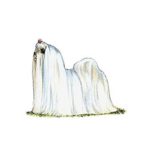
The Maltese is immediately recognizable by its flowing, pure white coat and proud carriage. Small but sturdy, the breed typically stands up to 10 inches (25 cm) at the withers, presenting a compact silhouette that feels both refined and robust. The body is well-balanced and cobby, with a level back and a good spring of rib, contributing to its attractive poise.
The Maltese head is elegant with a gently rounded skull, never domed or apple-shaped, giving it a distinct profile. Its dark, oval eyes are expressive, set against black eye rims that give the face a bright, lively look. Ears are long and well-feathered, hanging close to the head and graceful in appearance.
This breed is known for its strong jaws and perfect scissor bite, with even teeth. The medium-length neck complements its proportionate body, and the legs are short and straight, both fore and hindquarters showing good angulation for smooth and free movement. The feet are round with black pads, and the feathered tail is carried arched over the back, adding elegance to the overall outline.
The coat is perhaps the Maltese’s most defining feature: long, silky, and straight without a woolly undercoat or crimping. Pure white is the preferred color, though slight lemon markings may be tolerated. The absence of shedding is a notable advantage, making the breed a desirable choice for those who prefer a cleaner home environment and have allergy concerns.
Temperament & Behavior
The Maltese embodies a delightful balance of liveliness, alertness, and intelligence, paired with a strong sweet-natured temperament. It flourishes as a companion animal, eager to participate in family life and happiest when close to its loved ones. Gentle and sociable, the breed’s affection and trusting demeanor make it a pleasure to have at home.
This breed thrives in environments where it receives ample attention and gentle guidance. Maltese dogs are not known for stubborn streaks but do best when offered positive reinforcement and routines. As a strong companion breed within the toy group, the Maltese seeks regular interaction with people and may struggle with extended solitude.
With their adaptable nature and non-aggressive mindset, Maltese can be a good match for respectful children and seniors. While generally accepting of other small dogs, careful supervision is always recommended with larger animals or young, boisterous children due to their smaller size.
The Maltese enjoys family life and responds enthusiastically to affection and play. It tends to be quick to alert family members of new visitors or noises, displaying its keen awareness without being overly yappy or aggressive when properly socialized and guided from a young age.
Care & Living Needs for the Maltese
The Maltese generally requires up to 30 minutes of exercise daily. Short walks, gentle play, and interactive toys are ideal, striking a balance between physical activity and not overwhelming their small frames. This breed can adapt to flats and apartments, provided they receive their daily dose of activity and stimulation, making them suitable for urban and suburban living. Access to a small or medium garden is a bonus but not essential, as Maltese are highly adaptable to various home settings.
Grooming is a significant commitment for owners due to the Maltese’s long, silky coat. Daily brushing helps prevent tangles and keeps their coat looking its best. Routine attention to ear cleanliness, teeth, and nails also forms part of their regular care. As a breed that doesn’t shed, those sensitive to hair around the home or with mild allergies tend to appreciate the Maltese.
Mental stimulation is as important as physical exercise. The breed enjoys learning new tricks, interactive games, and consistent but gentle training methods. Positive reinforcement, patience, and kindness are highly effective, given their intelligent and responsive temperament. Owners who can dedicate time each day to grooming, companionship, and playful activities will be rewarded with a devoted and content dog.
While the Maltese is wonderfully suited to a wide variety of homes, those with very limited time for grooming or seeking a dog to leave alone frequently should consider if this breed matches their lifestyle. Active households with older, gentle children or individuals seeking a loyal, adaptable dog will find the Maltese a particularly satisfying companion.
Health & Common Issues
The dataset provided does not indicate specific common health issues unique to the Maltese. Generally, the breed is known for its potential for a long lifespan, often living well beyond 12 years when given proper care. Providing a balanced routine with appropriate exercise, weight management, and a nutritious diet helps promote their wellbeing.
Regular grooming does more than keep the Maltese looking its best—it allows owners to monitor the skin and coat condition closely. Routine checkups, dental care, nail trimming, and keeping ears clean can help prevent common small dog concerns, such as dental buildup or ear discomfort.
Routine veterinary check-ups are essential for keeping Maltese in optimal health. Owners should always be mindful of keeping exercise age-appropriate and gentle, particularly given the breed’s small size, to avoid accidental injuries. Careful handling and consistent preventive care support a happy, healthy life for this companion breed.
Official Breed Standard Summary
The official breed standard for the Maltese describes the ideal characteristics, temperament, and appearance necessary to ensure the breed remains healthy, functional, and true to type. It emphasizes the importance of soundness and discourages exaggerated features that could affect the dog’s health or quality of life. Breeders and judges are encouraged to prioritize these standards to maintain and protect the breed’s wellbeing.
Typical Maltese features include an elegant, white-coated appearance, a proportionate and balanced body, and a proud, alert demeanor. The breed should not exceed 10 inches in height at the withers, and its straight, silky coat must not impede movement or be crimped. Acceptable color is pure white, with slight lemon markings tolerated, but any other marking or combination is considered a fault.
Movement should be straight and free-flowing, and the head’s proportions—from the gently rounded skull to the strong scissor bite and oval, dark-brown eyes—contribute to a distinct and expressive look. The tail is gracefully arched over the back, and the feet are round with black pads. Any deviation from the standard should be considered proportionally to its impact on health and welfare.
Potential Maltese owners should note that the breed standard represents an ideal template. Not all dogs will match these measurements or traits exactly, but the standard provides a valuable benchmark for judging the breed’s typical appearance and temperament.
Frequently Asked Questions about the Maltese
Is the Maltese good for first-time dog owners?
The Maltese is well-suited for first-time dog owners due to its adaptable temperament, intelligence, and strong desire for companionship. With consistent guidance and daily care, they thrive in loving homes regardless of previous dog experience.
How much exercise does a Maltese need daily?
The Maltese requires up to 30 minutes of daily exercise, such as short walks and indoor play. Their small size means they do not need strenuous activity, but regular movement is important to keep them happy and healthy.
Is the Maltese good with children?
Maltese dogs are sweet-natured and generally do well with gentle, respectful children. Supervision is advised, especially with very young kids, to prevent accidental injury due to the dog’s small stature.
Can the Maltese live in an apartment?
Absolutely. The Maltese adapts well to apartment living and does not require a large home or garden. As long as their daily exercise and social needs are met, they can thrive in compact living spaces.
How much grooming does a Maltese need?
This breed requires daily brushing to prevent tangles and keep their long coat in good condition. Routine grooming also includes attention to teeth, nails, and ears, making regular maintenance a key part of Maltese care.
Are there common health concerns in this breed?
No specific health concerns are highlighted for the Maltese in the provided information. General care with regular vet check-ups, good dental hygiene, and appropriate exercise supports their long, healthy life.


