
What Are the Traits and Care Tips for Miniature Pinschers?
The Miniature Pinscher is a spirited companion for those seeking a small, alert, and active dog that excels in roles ranging from loyal lap dog to energetic playmate. Often referred to as the “King of Toys,” this breed’s lively character and fearless nature make it a standout in the Toy group, bringing a bold personality to even the smallest of homes.
Sleek, elegant, and always on the lookout, the Miniature Pinscher appeals to individuals or families searching for a dog with both charm and confidence. Owners who enjoy interactive play and appreciate a dog with strong self-possession will find the Miniature Pinscher’s fearless animation and proud presence endlessly engaging.
- Overview of the Miniature Pinscher
- Key Characteristics
- Appearance of the Miniature Pinscher
- Temperament & Behavior
- Care & Living Needs
- Health & Common Issues
- Official Breed Standard Summary
- Frequently Asked Questions
Group: Toy
Size: Small
Exercise needs: Up to 30 minutes per day
Coat length: Short
Grooming: Once a week
Shedding: Yes
Lifespan: Over 12 years
Ideal home type: Flat/ Apartment
Town or country: Either
Garden needs: Small/ medium garden
Overview of the Miniature Pinscher
The Miniature Pinscher traces its origins back to Germany, where it was developed as a smaller counterpart to the standard Pinscher. Originally bred for vermin control, particularly as an expert ratter, the breed quickly found favor within family homes for its compact size and lively nature. By the end of the 19th century, enthusiasts in Germany formed the first breed club, highlighting early recognition of this unique little dog.
It wasn’t until the 1950s that the Miniature Pinscher began to gain popularity in the UK, following in the footsteps of its early arrival across the Atlantic in the United States. Through selective breeding, the version of the Miniature Pinscher known in the U.S. and U.K. was shaped to display a distinguished high-stepping “hackney” gait, setting it apart from some European lines. While its days as a working ratter are largely behind it, the breed remains a spunky, energetic companion that thrives in modern homes.
The Miniature Pinscher is particularly well-suited to vigilant, devoted owners seeking a small but confident companion. Whether in a city apartment or a suburban house with a modest garden, the breed’s size and energetic nature make it adaptable to various lifestyles.
Key Characteristics
- Energy level – High energy packed into a small frame, always eager for play and activity.
- Trainability – Quick to learn but enjoys testing boundaries, requiring patient and consistent training methods.
- Intelligence – Bright and alert, showing excellent problem-solving skills when properly engaged.
- Prey drive – Instinct to chase small, fast-moving animals remains from its ratter origins.
- Social needs – Craves attention and enjoys being the center of activity in the household.
- Compatibility with families and children – Generally affectionate, but best with families who understand its spirited nature and supervise interactions with younger children.
- Compatibility with other dogs – Gets along with other dogs if socialized early, but may be assertive with larger breeds.
- Guarding or watchdog tendencies – Naturally vigilant and vocal, quick to alert to strangers or unusual sounds.
- Adaptability to city or country life – Equally content in an apartment or home with a garden, provided its exercise needs are met.
- Best suited owner type – Ideal for owners seeking an interactive, confident companion willing to provide regular activity and mental stimulation.
- Typical daily routine – Enjoys brisk walks, indoor play sessions, and close involvement with household routines.
Appearance of the Miniature Pinscher
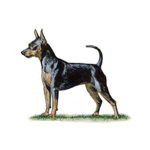
The Miniature Pinscher presents a well-balanced and compact physique, characterized by elegance and strength relative to its small stature. Typically standing between 10 to 12 inches at the withers, the breed gives off an air of pride and vigor. Its body is square and sturdy, with a topline that slopes gently toward the rear, displaying a harmonious blend of muscle and refinement.
The head is proportionate to the body, more elongated than round, and marked by a flat skull when viewed from the front. The muzzle is robust but never coarse, capped with a nose that varies in color depending on the coat. Eyes are oval and keen, always alert, and should be dark, matching the exterior color when possible. Ears are set high and are as small as possible, giving the breed a continually attentive expression whether carried erect or dropped.
Legs are straight and of medium bone, contributing to the breed’s signature “hackney” movement – a precise, high-stepping gait reminiscent of a small horse. The forechest is well-developed and ribs are well sprung, providing sturdiness despite their size. Feet are cat-like with dark nails, enhancing the breed’s neat and polished appearance.
The Miniature Pinscher’s coat is a standout feature – smooth, short, and hard, with a natural luster that conveys both health and grooming. Breed-approved colors include black and tan, blue and tan, chocolate and tan, and solid red in a range of shades. Markings are sharply defined, and all have characteristic “pencilling” on the toes, except for the chocolate varieties, which exhibit brown coloration. A trace of white on the chest is tolerated, but any other colorations are not accepted by the breed standard.
The tail, whether left natural or docked, is a continuation of the topline and is typically carried a little high, accentuating the breed’s proud bearing.
Temperament & Behavior
Miniature Pinschers are the embodiment of fearless animation. Their presence fills a room, and their alertness makes them outstanding at keeping watch over their territory. They delight in knowing what’s happening around them and will immediately bring any change or noise to the owner’s attention.
While reserved with strangers, Miniature Pinschers are intensely devoted to their families, forming close bonds with those they trust. This breed enjoys being involved in everything—from daily routines to household playtime—and will often anticipate your next move with their bright, eager expression. Socialization from a young age is key to ensuring they are comfortable with new people, pets, and environments.
Despite their small stature, they are rarely timid or withdrawn. Their self-confidence can make them assertive, especially around other dogs. Interactions with children are generally positive when play is supervised and respectful; like many Toy breeds, they appreciate gentle handling and established boundaries.
As a member of the Toy group, the Miniature Pinscher benefits from attention and prefers to avoid prolonged solitude. Their loving, outgoing natures pair well with individuals or families willing to include them in daily activities and provide structured outlets for their considerable energy.
Care & Living Needs for the Miniature Pinscher
The Miniature Pinscher needs up to 30 minutes of exercise each day, which can be met with brisk walks or active indoor play sessions. Their compact size allows them to live comfortably in apartments or flats, as long as they have opportunities for movement and mental stimulation. A small or medium garden is advantageous for short bursts of outdoor activity but is not essential if walks and engagement are regularly provided.
Grooming the Miniature Pinscher is straightforward. Their short, hard coat sheds but requires only weekly brushing to maintain shine and remove loose hair. Bathing is rarely needed unless they find themselves in a particularly muddy situation. Regular nail trims, dental care, and ear checks further contribute to overall health.
Mental stimulation is as important as physical exercise for this clever breed. Training sessions, puzzle toys, and games that involve tracking or gentle chasing channel their intelligence and ratter instincts. Because they can be strong-willed, patient and positive reinforcement-based training methods yield the best results.
This breed is best suited for owners who anticipate an active relationship with their dog, enjoy close companionship, and can establish consistent routines. Homes where the dog will be frequently left alone for extended periods are less suitable, as the Miniature Pinscher thrives on attention and interaction. Those seeking a couch-potato pet with no interest in play may find this energetic companion more challenging than expected.
Health & Common Issues
The Miniature Pinscher benefits from a reputation for general robustness, often enjoying a lifespan that exceeds 12 years with appropriate care. Their short coat and hard, healthy build contribute to their overall soundness, but owners should still attend to basic health routines vital to all breeds.
Routine veterinary check-ups, maintaining a healthy weight, and exercising in moderation will promote their long-term wellbeing. Regular attention to dental health is important, as smaller breeds can be prone to tartar buildup without proper oral hygiene. Nail trims and ear cleaning help prevent common minor issues.
The breed standard places high importance on soundness and avoiding any exaggerations that could compromise welfare. Careful selection of a reputable breeder and thoughtful daily care help ensure the Miniature Pinscher remains healthy and happy throughout life’s stages.
Official Breed Standard Summary
The official breed standard offers a comprehensive picture of the Miniature Pinscher, highlighting the ideal blend of characteristics, temperament, and physical traits. The breed is defined as a sturdy and compact toy dog, exuding elegance and natural grooming with a spirited, alert personality. The hallmark gait—a precise, hackney action—sets the breed apart and underlines its lively presence in the show ring and at home.
Appearance is guided by a square, well-muscled body, with a straight, sloping backline and a wedge-shaped outline when viewed from above. Key elements include a flat, proportional head, oval eyes brimming with intelligence, and small, high-set ears. The coat is smooth, straight, and closely fitted to the body, coming in black and tan, blue and tan, chocolate and tan, or solid red, all with clearly defined markings. A length of 10 to 12 inches at the shoulder is ideal, though there may naturally be variations.
The movement emphasizes coordination and the true hackney action for which the breed is known. Any pronounced deviation from the standard’s expectations should be seen as a fault, particularly if it impacts the dog’s health or welfare. Fitness for function is always considered paramount.
The standard also reminds prospective puppy buyers that the described measurements represent ideals. Individual dogs may vary in size, and soundness remains the highest priority in both breeding and judging.
Frequently Asked Questions about the Miniature Pinscher
Is the Miniature Pinscher good for first-time dog owners?
The Miniature Pinscher can be a rewarding companion for a first-time owner who is committed to providing consistent guidance, socialization, and positive, patient training. Their independent streak and energetic temperament may be a learning experience for those new to dog ownership.
How much exercise does a Miniature Pinscher need daily?
This breed is happiest with up to 30 minutes of daily exercise. Short walks, interactive play, and providing mental stimulation are all important to keep them content and healthy.
Is the Miniature Pinscher good with children?
Miniature Pinschers can get along well with children, especially when socialized early and handled gently. Supervision is advised with young children to ensure interactions are positive and respectful for both dog and child.
Can the Miniature Pinscher live in an apartment?
The breed adapts very well to apartment living, as its small size and manageable exercise needs fit urban lifestyles. Regular outdoor walks and indoor play help meet their energy requirements in smaller homes.
How much grooming does a Miniature Pinscher need?
Grooming is minimal for the Miniature Pinscher. Weekly brushing is usually sufficient to maintain their short, shiny coat and to manage shedding.
Are there common health concerns in this breed?
The Miniature Pinscher is known for its soundness and robust health. Routine veterinary care, balanced exercise, and attention to oral and nail care help prevent most common issues associated with small breeds.


