
What Are the Traits and Care Tips for Papillon Dogs?
The Papillon is a captivating small breed, well-suited for individuals and families seeking an elegant yet lively companion with a history of winning hearts in European courts. Known for its distinctive butterfly-like ears and spirited intelligence, this dog thrives as both a cherished lap dog and an agile, energetic partner for activities. The breed excels in adapting to various lifestyles, comfortably fitting into city apartments or suburban homes.
Perfect for those who desire a highly intelligent, friendly, and alert companion, the Papillon matches well with a range of households—from singles in urban spaces to seniors and families with older children. Their manageable size, companionship focus, and engaging personality make them one of the most popular choices among those drawn to the Toy group.
- Overview of the Papillon
- Key Characteristics
- Appearance of the Papillon
- Temperament & Behavior
- Care & Living Needs
- Health & Common Issues
- Official Breed Standard Summary
- Frequently Asked Questions
Group: Toy
Size: Small
Exercise needs: Up to 30 minutes per day
Coat length: Medium
Grooming: More than once a week
Shedding: Yes
Lifespan: Over 12 years
Ideal home type: Flat/ Apartment
Town or country: Either
Garden needs: No garden
Overview of the Papillon
With roots tracing back to France and Belgium, the Papillon is aptly named after the French word for “butterfly,” a nod to its signature wing-shaped, feathery ears. A symbol of refinement and grace, this breed garnered attention in European aristocracy, often seen in the company of prominent historical figures. Two varieties exist: the classic Papillon with upright ears and the Phalene with dropped ears, both celebrated for their enchanting looks and delightful character.
The breed’s original role as a beloved lapdog made it a common fixture in royal courts, but its intelligence and agility have given it a fresh place in modern homes. The Papillon is fine-boned yet robust, easily adapting to a life of companionship or performance in obedience and agility rings. Owners seeking an elegant, alert dog with lively charm will find the Papillon an ideal fit.
Toy dog enthusiasts, apartment dwellers, and active retirees who want a compact, personable dog will appreciate how completely the Papillon fits into diverse lifestyles. This is a dog for those who value social interaction, trainability, and a petite companion eager for involvement in family life.
Key Characteristics
- Energy level – Lively and enthusiastic, but satisfied with up to 30 minutes of daily activity.
- Trainability – Highly trainable and quick to learn new commands when taught with positive methods.
- Intelligence – Exceptionally clever, excelling at tasks, tricks, and even complex agility activities.
- Prey drive – Generally moderate, though some individuals may have a chasing instinct for small animals.
- Social needs – Craves human company and actively seeks out attention from family members.
- Compatibility with families and children – Affectionate and gentle, though best with considerate older children due to delicate size.
- Compatibility with other dogs – Usually sociable with other small breeds and can live happily in multi-dog homes.
- Guarding or watchdog tendencies – Alert and vocal, likely to announce visitors but not aggressive.
- Adaptability to city or country life – Thrives in both urban apartments and country homes, provided its social and exercise needs are met.
- Best suited owner type – Singles, couples, seniors, and families seeking a devoted, easy-to-handle companion.
- Typical daily routine – Enjoys interactive play, short walks, and lots of snuggling or lap time.
Appearance of the Papillon
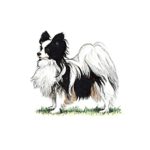
The Papillon is a dainty, well-balanced little dog, exuding elegance and alertness. With a compact frame and a body that is slightly longer than it is tall, the breed is finely boned yet impressively robust for its size. Height typically ranges from 8 to 11 inches (20–28 cm), contributing to its unmistakable status as a small companion dog.
One of the breed’s most striking features is its ears: large, fringed, and set obliquely to replicate the shape of butterfly wings, standing at about a 45-degree angle in the classic Papillon variety. The Phalene variety, meanwhile, sports dropped ears reminiscent of a moth’s folded wings. The skull is slightly rounded, giving way to a finely pointed muzzle, and the nose is always black, accentuating their expressive faces.
The breed boasts dark, rounded eyes that sit low in the skull, projecting intelligence and a gentle nature. Their mouth forms a strong, regular scissor bite, while the neck is of medium length, providing a balanced silhouette. The Papillon’s chest is well-developed, and the topline remains level, with a softly arched belly and well-sprung ribs. Hindquarters are strong and straight when viewed from behind, with a well-turned stifle aiding their elegant movement.
Coat-wise, the Papillon stands out with its abundant, flowing fur. Silky, fine, and long—yet without an undercoat—the hair is shorter on the face and legs but voluminous on the ears, chest, tail, and thighs. The tail is set high, arched gracefully over the back with a lush, plume-like fringe. Coloration is always white with patches of various shades, including black, red, sable, lemon, silver, and tricolor combinations, but never liver.
Temperament & Behavior
At home, the Papillon is lively, intelligent, and exceptionally friendly. This breed loves to be the center of attention and forms close bonds with its people. Their alert demeanor makes them sensitive to changes in their environment, often making them quick to respond to visitors—or alerting their owners to anything unusual occurring around the home.
This breed thrives on social interaction and is rarely aggressive, making it a joy to have around guests and family members alike. Papillons are known to greet new people and situations with curiosity, and their high intelligence means they excel in training sessions and canine sports. Because of their strong desire for companionship, they do best in homes where they are seldom left alone for lengthy periods.
Papillons are well suited for families with older, gentle children; their petite build means play should always be supervised with younger kids. They tend to be amicable toward other dogs and small pets, especially when properly introduced and socialized from early on.
As typical representatives of the Toy group, Papillons are happy to curl up in a lap, but their athleticism and zest for learning set them apart from many other lapdogs. They appreciate regular mental and physical stimulation, and their eager, responsive nature means they pick up new skills and routines rapidly.
Care & Living Needs for the Papillon
Papillons require regular yet moderate exercise, with about 30 minutes of physical activity per day meeting their needs. This can include brisk walks, spirited play, and interactive games at home. Their small stature makes them ideal for living in flats or apartments and they do not require a garden, making them a favored breed for city dwellers. However, they are equally comfortable in larger homes or rural locations as long as their social and exercise requirements are fulfilled.
Grooming is a significant aspect of Papillon care. The silky, medium-length coat needs attention more than once a week to remain smooth and tangle-free. While they do shed, regular brushing helps manage the fur and minimize loose hairs around the home. Special care should be paid to the ear fringes, tail, and the fine tufts between their toes to prevent mats and tangles.
Mental stimulation is as essential as physical exercise for this breed. Papillons thrive on learning new tricks and tasks, so short training sessions and puzzle toys will help prevent boredom. Positive reinforcement techniques are most effective—this breed responds well to praise and gentle correction.
While Papillons are highly adaptable, they may not be ideal for households that are away from home for long hours or those with very young, boisterous children. Owners who value interactive companionship, have time to devote to grooming and social engagement, and seek an intelligent, agile pet will be especially well-matched to this breed.
Health & Common Issues
The Papillon generally enjoys a reputation for good health and a lifespan that often exceeds 12 years. With regular care, including veterinary check-ups, a balanced diet, and appropriate exercise, most Papillons remain happy and lively well into their senior years.
Since the breed is small and fine-boned, attention should be paid to avoiding injuries from rough play or accidental drops. Their ears, richly fringed and expressive, should be checked regularly to ensure cleanliness and monitor for any signs of irritation.
Responsible ownership—such as keeping your Papillon at a healthy weight, ensuring their teeth are looked after, and providing mental stimulation—contributes greatly to avoiding many preventable challenges. Routine grooming and periodic health assessments are important for maintaining their beautiful coat and general wellbeing.
Official Breed Standard Summary
The official breed standard for the Papillon sets forth an image of a dainty, well-balanced dog with a lively, alert expression. This document serves as a guide for breeders and judges to cultivate the breed’s ideal physical features, disposition, and vibrant personality, ensuring Papillons remain true to function and type.
Papillons should display proportions that are slightly longer than they are tall, with striking large ears that stand obliquely like butterfly wings or, in the Phalene, drop gracefully like a moth’s. Their movement is light, positive, and flowing, with legs and feet moving parallel to the body and covering ground efficiently.
The coat is to be abundant and flowing, lying flat and silky across the body, and profusely fringed at the ears, chest, tail, and thighs. The preferred coloration is white with contrasting patches, which may include a variety of colors except liver. Specific markings, such as symmetrical head coloring with a white blaze, are desirable but not mandatory.
When judging or selecting Papillons, deviations from these guidelines are considered faults, with severity judged by their impact on the dog’s health and welfare. It’s important to note that the breed standard provides an ideal, and individual dogs may naturally vary somewhat in size or appearance.
Frequently Asked Questions about the Papillon
Is the Papillon good for first-time dog owners?
Yes, the Papillon is an excellent choice for first-time owners. Their manageable size, eagerness to learn, and affectionate nature make them relatively easy to care for and train.
How much exercise does a Papillon need daily?
Papillons are satisfied with up to 30 minutes of activity per day. This can include walks, interactive play, and mental stimulation through games or training sessions.
Is the Papillon good with children?
Papillons are affectionate and friendly, making them a good companion for families with older, considerate children. Due to their delicate build, play with younger children should always be supervised.
Can the Papillon live in an apartment?
This breed adapts well to apartment living thanks to its small size and moderate exercise needs. Regular outings and companionship are necessary to keep them happy and stimulated.
How much grooming does a Papillon need?
The Papillon’s silky coat requires brushing more than once a week to prevent matting and maintain its appearance. Occasional baths and routine ear checks also help keep them looking their best.
Are there common health concerns in this breed?
Papillons are typically healthy, especially when responsibly bred and well-cared-for. Routine veterinary care and attention to their diet, exercise, and dental hygiene are important for long-term health.


