
Retriever (Nova Scotia Duck Tolling) – Breed Information, Traits & Complete Guide
The Retriever (Nova Scotia Duck Tolling), affectionately called the Toller, is a medium-sized gundog bred in Canada and recognized for its unique role in waterfowl hunting. This breed is particularly appealing for active individuals and families who enjoy the outdoors and are looking for a trainable, energetic companion. The Toller’s distinctive history, intelligence, and spirited personality make it a standout choice among sporting dogs.


Combining the adaptability to family living with a strong working background, the Retriever (Nova Scotia Duck Tolling) thrives as a loyal household pet, sporting partner, and competitor in canine sports. Its vivid red or orange coat, coupled with a friendly, playful demeanor, attracts admirers in both the show ring and at home. Owners looking for a dog with both beauty and brains, who can also handle regular activity and interaction, will find the Toller a rewarding addition to their lives.
- Overview of the Retriever (Nova Scotia Duck Tolling)
- Key Characteristics
- Appearance of the Retriever (Nova Scotia Duck Tolling)
- Temperament & Behavior
- Care & Living Needs
- Health & Common Issues
- Official Breed Standard Summary
- Frequently Asked Questions
Group: Gundog
Size: Medium
Exercise needs: Up to 1 hour per day
Coat length: Medium
Grooming: More than once a week
Shedding: Yes
Lifespan: Under 10 years
Ideal home type: Small house
Town or country: Either
Garden needs: Small/ medium garden
Overview of the Retriever (Nova Scotia Duck Tolling)
Originating in the Canadian province of Nova Scotia, the Duck Tolling Retriever, known fondly as the Toller, was originally developed to lure and retrieve waterfowl for hunters. Unlike many other gundogs, this breed’s unique hunting style involves playful antics by the water’s edge to attract curious birds within range, a technique made more effective by its bushy, ever-wagging tail. Its reputation in the field and on water comes from powerful swimming ability—helped by webbed feet—and eagerness to retrieve in even challenging environments.
The Toller made its entrance into Britain only in 1988, yet quickly gained a following for both its working prowess and family-friendly traits. This medium-sized, athletic dog has found a niche not only with hunters, but also in active homes seeking a versatile and engaging canine partner. Enthusiasts value the breed’s intelligence and trainability, making the Toller a favorite in sporting activities such as agility, flyball, and obedience, as well as a popular breed in the show ring.
The Retriever (Nova Scotia Duck Tolling) is well-suited to owners who want an enthusiastic and capable family companion. Families with children, countryside dwellers, and those who appreciate interactive, intelligent breeds will discover that this rare retriever’s charm and capabilities shine in both work and play.
Key Characteristics
- Energy level – The Toller is lively and energetic, requiring daily opportunities to run and play.
- Trainability – Highly trainable and eager to please, making learning new cues and tricks a rewarding experience.
- Intelligence – Exceptionally intelligent, this breed excels in problem-solving and advanced obedience.
- Prey drive – Originally bred for hunting waterfowl, Tollers retain a strong retrieving instinct and playful chase drive.
- Social needs – This dog craves regular interaction with family members and enjoys being involved in activities.
- Compatibility with families and children – Known for being kind and playful, the Toller typically gets along well with kids in active households.
- Compatibility with other dogs – Generally sociable with other canine companions, especially when socialized early.
- Guarding or watchdog tendencies – Tollers are alert and may give notice of new visitors, but are not primarily guard dogs.
- Adaptability to city or country life – Equally content in town or country settings if given enough exercise and mental stimulation.
- Best suited owner type – Best for active individuals, families or sports enthusiasts who can provide regular exercise and training.
- Typical daily routine – A perfect day includes outdoor activities, interactive play, and quality time with family or canine friends.
Appearance of the Retriever (Nova Scotia Duck Tolling)
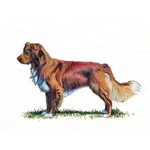
The Retriever (Nova Scotia Duck Tolling) strikes a balance between athletic build and attractive presence. Compact and medium in size, this breed features a strong, muscular body that hints at its origins as a working gundog. Its proportions are harmonious, exuding both power and agility without appearing heavy or cumbersome. One of its hallmarks is the heavily feathered, animated tail, which moves constantly and contributes to its duck-luring allure.
Facial features are refined yet sturdy, with a slightly wedge-shaped, broad skull and moderate stop leading into a tapered muzzle. The eyes, set well apart, project a friendly and alert gaze in hues ranging from brown to amber, always blending with the vibrant coat color. Dropped, triangular ears sit high and back on the skull, slightly erect at the base, adding to the breed’s alert and intelligent expression. The mouth is furnished with a perfect scissor bite and strong jaws, vital for retrieving game gently.
The Toller’s double coat is distinctive and practical: straight, water-repellent, and of medium length, with a dense, soft undercoat. Feathering is evident on the throat, behind the ears, and down the thighs, with moderate fringing on the forelegs. Typical colors include all shades of red or orange, often accented by lighter markings on the chest, feet, tail tip, and a white blaze, though white is not mandatory. Any black in the coat or buff is considered highly undesirable.
Adult males generally reach between 48 and 51 centimeters (19–20 inches) at the shoulder, while females range from 45 to 48 centimeters (18–19 inches). The breed’s medium-sized, round feet are exceptionally webbed, supporting its strong swimming skills. The carriage, topped off by that feathered, dynamic tail, gives the Toller an unmistakable air of readiness and enthusiasm.
Temperament & Behavior
The Retriever (Nova Scotia Duck Tolling) is distinguished by a personality that balances kindness with a confident, spirited approach to life. Its playful side is evident both in the field and at home, where the breed displays a cheerful, interactive nature. Tollers thrive on companionship, eagerly integrating themselves into family routines and forming close bonds with their people.
The breed’s intelligence and adaptability make it an excellent candidate for a variety of roles beyond hunting: agile participant in canine sports, enthusiastic partner in obedience training, and loving family pet. Their history as a working gundog means they are quick-thinking and responsive, but also capable of relaxing and sharing downtime with family members. While friendly and sociable, Tollers are not overly boisterous and generally display good manners indoors.
Tollers usually get along well with children and other dogs, particularly when socialized from a young age. They may be reserved with strangers at first but tend to warm up quickly. Their alert nature means they may notice new people or unfamiliar sounds, but they are not known for aggressive guarding behavior. Owners value the Toller’s reliable, eager-to-please attitude, though their energy and intelligence mean they need regular engagement to prevent boredom.
Care & Living Needs for the Retriever (Nova Scotia Duck Tolling)
The Retriever (Nova Scotia Duck Tolling) is happiest in a home that can provide regular, consistent physical activity. With daily exercise needs of up to an hour, a mix of walks, games, and opportunities for swimming or retrieving are ideal. Despite its working roots, the Toller can adapt well to life in either a town or country setting provided its exercise requirements are met. A small to medium garden or access to a nearby park suffices for most, and the breed can settle comfortably into a small house as long as there’s enough stimulation.
Grooming a Toller is fair but not excessive: its medium-length, double coat requires brushing several times a week, with attention to feathered areas that may tangle or collect debris. Shedding is a natural part of their makeup, so regular grooming will help to minimize loose hair around the home. The water-repellent nature of the coat means frequent bathing isn’t necessary, but checks for ears, nails, and paw-pads should be part of routine care, especially after outdoor activities.
Mental stimulation is essential for this breed; training sessions, puzzle toys, and canine sports all keep their active minds engaged. Early and ongoing socialization is advised to nurture confidence and ease with new situations. The Toller excels with positive, reward-based training, responding swiftly to guidance and enjoying goals to work toward.
This breed is not well-suited to sedentary homes or owners who cannot provide daily opportunities for exercise and interaction. Those seeking a low-maintenance or couch-loving companion may find the Toller’s enthusiasm and activity level a mismatch for their lifestyle.
Health & Common Issues
The Retriever (Nova Scotia Duck Tolling) is generally considered a robust and athletic breed, suitable for an active lifestyle. Regular veterinary visits and a balanced approach to exercise and nutrition help maintain overall health and well-being. Owners should emphasize healthy weight control and monitor for changes in energy or mobility as the dog ages.
As with all medium-sized, active dogs, routine checks for dental hygiene, proper nail length, and clean ears are recommended. Attention to coat condition, especially during shedding seasons, supports skin health and comfort. Maintaining consistency with grooming and preventive care routines lays the foundation for a happy, healthy companion through all life stages.
Official Breed Standard Summary
The official breed standard for the Retriever (Nova Scotia Duck Tolling) defines the breed as a medium-sized, powerful, well-muscled dog with a distinctive animated tail and harmonious build. Essential qualities include absolute soundness, good health, and a balance of functional attributes. The breed should never be exaggerated in features that would impede health or working ability.
Ideal size ranges from 48–51 cm (19–20 inches) for males and 45–48 cm (18–19 inches) for females. The coat is of medium length, water-repellent, and double-layered, with a dense undercoat and feathering in key areas. Acceptable colors include all shades of red or orange with lighter featherings and characteristic white markings, although lack of white is permissible.
Movement should be jaunty, powerful, and balanced, reflecting a dog bred for agility and stamina. Faults are considered in proportion to how they might affect the dog’s health and traditional duties. The standard notes that dogs might not always match precise measurements; slight deviations should not unduly penalize an otherwise sound and capable dog.
The breed’s physical and temperament traits are regarded as a blueprint for function and welfare, emphasizing the importance of healthy, well-constructed examples in both working environments and show rings.
Frequently Asked Questions about the Retriever (Nova Scotia Duck Tolling)
Is the Retriever (Nova Scotia Duck Tolling) good for first-time dog owners?
The Toller’s trainability and affectionate nature make it suitable for first-time owners who are active and committed to regular training and exercise. Its intelligence and energy do require attentive, ongoing engagement.
How much exercise does a Retriever (Nova Scotia Duck Tolling) need daily?
This breed typically needs up to one hour of exercise each day, with activities like walking, running, playing fetch, or swimming being especially favored. Enriching activities and interactive games help keep both mind and body healthy.
Is the Retriever (Nova Scotia Duck Tolling) good with children?
Tollers are known for their kind and playful temperament, making them well-suited to homes with children. Supervised interactions and early socialization ensure positive relationships and safe play.
Can the Retriever (Nova Scotia Duck Tolling) live in an apartment?
While adaptable, this breed does best in a home with access to a small or medium garden or regular outdoor time. Apartment living is possible if the Toller’s exercise and mental needs are consistently met.
How much grooming does a Retriever (Nova Scotia Duck Tolling) need?
The Toller’s medium-length coat should be brushed more than once a week to manage shedding and maintain condition. Attention to feathering and checks for debris are helpful, especially after outdoor adventures.
Are there common health concerns in this breed?
The dataset does not list any specific health problems for this breed. As with all dogs, routine veterinary care and a healthy lifestyle support long-term well-being.


