
What Are the Traits and Care Requirements of a Bearded Collie?
The Bearded Collie is a charismatic and intelligent herding dog, known for its bouncy personality and striking shaggy coat. A favorite amongst those who enjoy active lifestyles, this breed thrives on companionship and mental stimulation, making it a beloved choice for families who can devote time and energy to their dog’s wellbeing. Renowned for its adaptability and friendly nature, the Bearded Collie offers the best of both the working and companion worlds.
Whether you’re seeking an energetic member of the household or a reliable partner for outdoor adventures, the Bearded Collie possesses both vigor and heart. With a long history as a working pastoral breed, these dogs are well-suited to experienced and new owners who have the space—and commitment—to meet their exercise and grooming needs. Their alert, lively demeanor adds a dose of cheerfulness to any home willing to welcome them into both daily routines and special moments alike.
- Overview of the Bearded Collie
- Key Characteristics
- Appearance of the Bearded Collie
- Temperament & Behavior
- Care & Living Needs
- Health & Common Issues
- Official Breed Standard Summary
- Frequently Asked Questions
Group: Pastoral
Size: Medium
Exercise needs: Up to 1 hour per day
Coat length: Long
Grooming: Every day
Shedding: Yes
Lifespan: Over 12 years
Ideal home type: Large house
Town or country: Either
Garden needs: Large garden
Overview of the Bearded Collie
The Bearded Collie hails from Scotland, where for centuries it worked in the challenging landscapes of the Borders and Highlands, helping farmers herd cattle and sheep. With their distinctive “bearded” face and luxuriant double coat, these athletic dogs were invaluable in managing livestock, thanks to their intelligence and resilience in tough weather conditions. The breed’s roots stretch back at least 500 years, showing a remarkable consistency in both form and function.
By the mid-20th century, the Bearded Collie’s population dwindled dangerously low, but dedicated enthusiasts revived the breed, preserving its working spirit and charming, lively character. Today’s Bearded Collie is prized not only for its heritage as a pastoral worker but also as a devoted family companion. This breed is well-suited to people looking for a dog that is energetic, affectionate, and enthusiastic in both country and suburban settings.
Owners who appreciate a sociable, athletic dog with a sense of humor will find the Bearded Collie excels at engaging with everyone in the household. Whether as a pet, agility competitor, or helper on smallholdings, the “Beardie” remains a symbol of cheerful energy and classic pastoral elegance.
Key Characteristics
- Energy level – The Bearded Collie is lively and enjoys regular activity, thriving on games, walks, and interactive play.
- Trainability – Intelligent and eager to please, this breed responds well to positive, consistent training methods.
- Intelligence – Exceptionally bright, Bearded Collies are problem-solvers and learn new tasks quickly when motivated.
- Prey drive – As a herding dog, it may show interest in chasing moving objects but is typically more focused on people and flocks than small wildlife.
- Social needs – Highly social and people-oriented, this breed prefers not to be left alone for long periods and enjoys being part of the family action.
- Compatibility with families and children – Friendly, patient, and adaptable, Bearded Collies are often wonderful with children and thrive in busy homes.
- Compatibility with other dogs – Generally gets along well with other dogs, especially when properly socialized from a young age.
- Guarding or watchdog tendencies – More likely to greet new faces with enthusiasm than suspicion, these dogs may bark to announce visitors but are not natural guard dogs.
- Adaptability to city or country life – Can thrive in both rural and suburban areas if given adequate space, exercise, and outdoor time.
- Best suited owner type – Ideal for active owners or families who can provide training, stimulation, and regular outdoor activities.
- Typical daily routine – A mix of exercise, play, mental stimulation, and close interaction with people suits them best.
Appearance of the Bearded Collie
The Bearded Collie gives an immediate impression of a lean, active dog, slightly longer in body than tall at the shoulder, with an overall proportion that emphasizes agility and strength. Dogs usually stand between 21–22 inches at the shoulder (bitches: 20–21 inches), and the body is well-balanced with a level back and well-sprung ribs, supporting both stamina and movement.
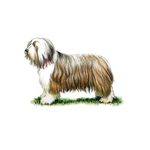
One of the breed’s hallmarks is its abundant, long, double coat: a soft, dense undercoat provides insulation, while the outer coat is flat, harsh, and shaggy, offering protection against the elements. The hair frames the face with a distinctive “beard,” and covers the dog’s body amply but never so much as to obscure its impressive outline. Colors may include slate grey, black, blue, brown, fawn, and sandy, with or without white markings, and slight tan highlights can appear in various places. Patterns such as merle are not permitted in the breed standard.
The head is broad and in proportion to the rest of the dog, with a strong, square muzzle, large expressive eyes that tone with the coat, and medium-sized ears that drop gracefully to the sides. The nose is typically dark, following the coat color in blue or brown dogs. Altogether, the Bearded Collie presents a bright, inquisitive expression, and carries itself with elegance, athleticism, and distinct personality.
Feet are oval and well-padded for rough terrain, and the long, furry tail curves in a gentle upward swirl when in motion but is never carried over the back. The full appearance, from the arch of the neck to the straight legs and tidy feet, reflects a dog built for stamina, movement, and beauty.
Temperament & Behavior
At the heart of the Bearded Collie’s temperament is a steady, affectionate nature combined with intelligence and an alert, lively spirit. Known for their consistent good humor and bounciness, these dogs rarely show aggression or nervousness. Their working history as herding dogs in the Pastoral Group has fostered a personality that is adaptable, reliable, and motivated to engage in both physical and mental activity.
Living with a Bearded Collie means enjoying a sociable companion who bonds closely with family members. They thrive on interaction—enjoying games, walks, and any activity that involves teamwork or learning. They are typically patient and gentle with children, making them a favorite in family homes, while getting along peacefully with other dogs when socialized early on.
Owners will find the Bearded Collie quick to learn and responsive to training, which, paired with their high energy and intelligence, means they excel in canine sports and obedience settings. Their inclination to bark may make them good at announcing visitors, but they are naturally more welcoming than territorial. The biggest challenge for some owners can be the dog’s exuberance and need for engagement; boredom may lead to mischievous behavior if not given sufficient outlets.
From herding flocks in harsh climates to adapting to modern households, the Bearded Collie’s resilience and cheerful demeanor remain unchanged. They prefer environments where they can be active participants in daily life and are often considered the life of the party in any gathering.
Care & Living Needs for the Bearded Collie
The Bearded Collie needs regular daily exercise, ideally up to an hour per day, to channel its energy and keep both body and mind fit. Activities such as brisk walks, interactive play sessions, or canine sports are all suitable ways to keep this breed happy. They favor homes with space—ideally a large house and a sizable, secure garden—where they can move freely and burn off enthusiasm.
The plentiful long coat requires daily grooming to prevent mats, tangles, and debris accumulation. Owners should commit to a consistent grooming routine, as Bearded Collies are known to shed, particularly when the seasons change. Regular brushing ensures the coat stays healthy, enhances the dog’s appearance, and helps reduce shedding around the home. Bathing should be done as needed, depending on lifestyle and activity levels, but the coat should not be trimmed, as per breed standards.
This breed is highly intelligent and requires not just physical but also mental stimulation. Training classes, puzzle toys, and varied activities help keep the brain engaged. Positive reinforcement methods work best, as the Bearded Collie responds well to encouragement and creativity during training. Boredom can lead to inappropriate behaviors, so enrichment is key.
While adaptable to many environments, those unable to provide regular exercise, sufficient outdoor space, or daily coat care may not find the Bearded Collie an ideal fit. Homes without gardens, or owners with little time for grooming and activity, may struggle to meet this breed’s needs. The happiest Bearded Collies are those living with committed, hands-on families who love having an energetic, interactive canine companion.
Health & Common Issues
With a typical lifespan exceeding 12 years, the Bearded Collie is generally robust and benefits from the advantages of a well-developed pastoral breed. Regular veterinary check-ups are important to ensure overall well-being, as with any breed. Responsible weight management, balanced exercise, and consistent grooming all contribute to a healthy life for this active and resilient dog.
Routine dental care is important, as is attention to the condition of the eyes and ears, especially given the breed’s abundant coat which may cover and trap debris. Keeping the nails trimmed and pads healthy is important, particularly for active dogs that spend time outdoors. Owners should be mindful of the breed’s exercise routine and diet to support healthy joints and muscle development.
Maintaining the Bearded Collie’s health is often a matter of regular preventive care—keeping vaccinations up to date, providing a nutritious diet, and addressing any changes in behavior or appearance promptly with a veterinary professional. While the breed is not known for specific health crises based on the information available, proactive care remains the best approach for a long, active life.
Official Breed Standard Summary
The official breed standard for the Bearded Collie serves as a guideline for ideal characteristics, ensuring dogs not only look the part but are sound and fit for their intended role. The preferred appearance is of a lean, agile dog, longer than high, with plenty of daylight beneath the body. Proportions and quality are prioritized over strict adherence to specific measurements, but guidelines recommend males stand 21–22 inches and females 20–21 inches at the shoulder.
The coat is one of the breed’s most defining features: a weather-resistant double layer with a soft, close undercoat and a harsh, shaggy outer covering. The hair around the muzzle forms a typical “beard,” while coat length is ample but not so heavy as to obscure the body’s outline. Colors permitted include slate, black, blue, brown, sandy, and fawn, with or without white markings; merle is not acceptable. The coat must never be trimmed, maintaining its natural fullness and protective qualities.
Movement should be supple, smooth, and far-reaching, reflecting the stamina and purpose bred into the Bearded Collie over generations of herding. The standard highlights essential characteristics, such as alertness, an affectionate expression, and sound structure in all body parts. Any faults are judged relative to their impact on health and function, and the presence of exaggerated or detrimental features is discouraged. Males should have two fully descended testicles as a mark of normal development.
While the breed standard describes the ideal, there is natural variation, and prospective owners should remember that dogs may not match every prescribed measurement. The emphasis remains on overall quality, health, and suitability to the breed’s traditional role as a herder and companion.
Frequently Asked Questions about the Bearded Collie
Is the Bearded Collie good for first-time dog owners?
The Bearded Collie can be a rewarding companion for first-time owners who have the time and commitment for daily exercise, training, and regular grooming. Their friendly temperament makes them approachable, but their energy and coat care needs may be a challenge for those without prior dog experience.
How much exercise does a Bearded Collie need daily?
This breed benefits from up to one hour of exercise each day, which can include brisk walks, interactive play, or activities such as agility. Consistent exercise helps prevent boredom and supports overall health.
Is the Bearded Collie good with children?
Known for being patient and sociable, Bearded Collies often thrive in family environments and are generally excellent with children. As with any breed, supervision and respectful interaction are important to encourage positive relationships.
Can the Bearded Collie live in an apartment?
While adaptable, the Bearded Collie is best suited to homes with more space, such as a large house and garden. Apartment living may not meet their needs for exercise and activity unless owners can provide ample outdoor time and engagement every day.
How much grooming does a Bearded Collie need?
The long, dense coat requires daily brushing to prevent mats and tangles, along with regular attention to ears, nails, and teeth. This breed sheds, so consistent grooming helps manage loose hair and keeps the coat in good condition.
Are there common health concerns in this breed?
The Bearded Collie is generally robust but benefits from routine preventive care, including dental hygiene and regular check-ups. Responsible owners can help their dogs avoid many health problems with proper diet, exercise, and timely veterinary attention.


