
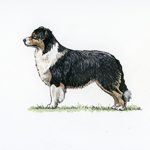
What Are the Traits and Care Requirements of an Australian Shepherd?
The Australian Shepherd is an exceptionally energetic and strikingly beautiful dog breed, well-suited for active families who relish the outdoors or for individuals looking for a devoted, intelligent companion. Known for its agility and keen working drive, this breed excels in homes where physical activity and mental stimulation are central to daily life. Those who live in spacious rural homes with large gardens will find the Australian Shepherd’s abilities and needs align closely with their environment.
With a long history rooted in herding, the Australian Shepherd has developed a reputation as both a skillful working dog and a lively, affectionate family member. Owners are drawn to its sharp mind, expressive eyes, and the array of attractive coat colors. Whether participating in dog sports, helping with sheep in the pasture, or romping with children in the yard, this breed stands out for its loyalty, athleticism, and spirited personality.
- Overview of the Australian Shepherd
- Key Characteristics
- Appearance of the Australian Shepherd
- Temperament & Behavior
- Care & Living Needs
- Health & Common Issues
- Official Breed Standard Summary
- Frequently Asked Questions
Group: Pastoral
Size: Medium
Exercise needs: More than 2 hours per day
Coat length: Medium
Grooming: More than once a week
Shedding: Yes
Lifespan: Over 10 years
Ideal home type: Large house
Town or country: Country
Garden needs: Large garden
Overview of the Australian Shepherd
The Australian Shepherd, despite its somewhat misleading name, was refined and developed in America as a versatile sheepdog on Western ranches. Its heritage is a fascinating blend, tracing to Spanish sheepdogs introduced by Basque shepherds during the 19th-century migrations to the United States. Over time, the breed gained recognition for its remarkable intelligence, agility, and strong herding abilities—traits that have cemented its place both on the farm and in modern homes.
Originally bred to work long days knee-deep in livestock, Australian Shepherds maintain a robust work ethic and a natural instinct to herd. Dogs in this breed still perform their ancestral role on farms, but they have also become favorites in dog sports, obedience competitions, and show rings, celebrated for their athletic grace and lively personalities. Their unique merle patterns and keen expressions make them memorable wherever they go.
This breed is best suited for active owners who can meet its energetic demands, offer plenty of space to roam, and provide both physical and mental challenges. It is not a breed that thrives on inactivity; instead, it flourishes where its natural talents and loyalty can be appreciated fully.
Key Characteristics
- Energy level – Highly energetic, needs regular vigorous exercise to stay happy and healthy.
- Trainability – Eager to learn and responsive, thrives with consistent and positive training.
- Intelligence – Exceptionally bright, often excelling in canine sports and advanced obedience tasks.
- Prey drive – Strong herding and chase instinct, may attempt to herd children and other animals.
- Social needs – Enjoys close bonds with family, often forms a deep attachment with one or two people.
- Compatibility with families and children – Known for loyalty and protectiveness, generally good with children when properly socialized.
- Compatibility with other dogs – Friendly when socialized from an early age, but supervision is important especially with smaller pets.
- Guarding or watchdog tendencies – Naturally alert and attentive, often serves as an effective watchdog without being overly aggressive.
- Adaptability to city or country life – Best suited for country living or homes with ample outdoor space; less ideal for densely populated urban settings.
- Best suited owner type – Active individuals or families committed to providing consistent exercise and mental stimulation.
- Typical daily routine – Includes long walks, interactive play, training sessions, and room to run off-leash in a secure area.
Appearance of the Australian Shepherd
The Australian Shepherd is a well-balanced, medium-sized dog that projects athleticism and strength. Built slightly longer than it is tall, the breed combines muscularity with agility, giving it the stamina and endurance to work long days in all kinds of weather. Males and females show distinct masculinity or femininity in their structure, with a characteristic alert and keen expression.
This breed features a clean-cut head with a moderately strong, slightly arched neck. The muzzle matches or is just a touch shorter than the length of the skull, tapering subtly to a rounded nose. Eyes are almond-shaped and expressive, often coming in striking shades of brown, blue, or amber—even displaying marbling or flecks. The ears, triangular with a slightly rounded tip, are set high and tend to fold forward when the dog is attentive.
Australian Shepherds are notable for their weather-resistant, medium-length coat that may be straight or slightly wavy. Feathering occurs on the back of the legs, and males typically display a more pronounced mane around the neck. The breed’s coloration is one of its most distinctive features, with blue merle, black, red merle, and red being standard, each possibly accompanied by tan points or white markings. The overall impression is one of a well-proportioned and vibrant animal, with sturdy oval feet and a tail that’s either natural, docked, or occasionally naturally bobbed.
As for size, males generally range from 20 to 23 inches at the shoulder while females measure slightly less, from 18 to 21 inches. The build is muscular yet moderate, ensuring not only physical beauty but genuine working ability.
Temperament & Behavior
The Australian Shepherd is renowned for a steady and even temperament. While it can be reserved on first meeting, the breed is neither shy nor aggressive, quickly warming up to familiar faces and showing deep loyalty to its human family. At home, these dogs are attentive, animated, and responsive to their people, often seeking to be involved in daily activities and eager to participate in play and work alike.
As members of the Pastoral Group, Australian Shepherds carry the classic herding and guarding instincts found in dogs bred to manage cattle and sheep. Their weatherproof double coat originally served as protection during harsh outdoor work. This heritage explains their willingness to take on both watchdog duties and to act with initiative if something unusual occurs around the home.
The breed forms strong bonds, and with proper socialization, usually gets along well with children and other pets. However, their keen intelligence and alert nature mean they need plenty of engagement—they’re happiest in homes where there is both structure and variety. Left bored or under-challenged, they may invent their own jobs, sometimes herding family members or becoming vocal about perceived intrusions.
While affectionate, Australian Shepherds do thrive on having a routine and clear guidance. They appreciate being given tasks, whether that’s learning new tricks, participating in canine sports, or simply helping around the house. This makes them very rewarding companions for owners who understand and embrace their brilliant minds and energetic spirits.
Care & Living Needs for the Australian Shepherd
This is a breed that requires more than two hours of exercise daily. Walks, runs, off-leash play in a secure, spacious area, and activities that challenge both mind and body are essential. Australian Shepherds do not fare well if confined to small spaces or if left inactive for extended periods. An ideal home is a large house located in the country with a big, safely fenced garden where the dog can freely explore and expend energy.
Their medium-length coat benefits from grooming more than once a week. Regular brushing helps manage shedding and keeps the undercoat free of tangles, especially during seasonal changes when the breed tends to shed more. Owners can expect a moderate to high amount of hair around the house, so willingness to vacuum and groom regularly is important. The coat is also designed to resist weather, meaning less frequent bathing unless the dog gets unusually dirty.
Mental stimulation is just as important as physical activity. Interactive toys, obedience training, puzzle games, and participation in dog sports like agility or flyball can make a substantial difference in happiness and behavior. Early and continued training, always focused on positive reinforcement, is well-received by this intelligent and willing breed.
While the Australian Shepherd makes a wonderful companion for active, outdoorsy people and families, it may not suit those with more sedentary lifestyles, busy work schedules that keep them away for long stretches, or homes without ample indoor and outdoor space. City living, particularly in apartments, is rarely ideal for this breed.
Health & Common Issues
The dataset does not specify particular health conditions for the Australian Shepherd. Like all active breeds, it’s important to maintain a healthy weight and provide balanced exercise to prevent joint stress and ensure overall well-being. Paying attention to coat conditions, dental care, and keeping up with regular veterinary check-ups are standard for sustained health.
Owners are encouraged to observe any changes in mobility, appetite, or behavior, and address them with appropriate professional guidance. A proactive approach to health—such as staying on top of preventative care and vaccinations—contributes greatly to this breed’s potential for a long life, often exceeding ten years. As with any breed, responsible breeding and obtaining dogs from ethical sources further supports lifelong well-being.
Official Breed Standard Summary
The official breed standard for the Australian Shepherd describes an athletic, well-balanced dog with proportions slightly longer than tall. Absolute soundness and functional capability are essential, ensuring dogs are healthy, mobile, and able to fulfill their roles as both companions and workers. Exaggerations or features that could impact health or welfare are considered undesirable.
Appearance-wise, the breed stands out for its expressive eyes, triangular semi-erect ears, and strong jaws with a precise bite. The coat is of medium length and texture, equipped with a weather-resistant undercoat, and may be straight or gently wavy. Feathering is present, and males display a more robust mane. Colors are varied and eye-catching—blue merle, red merle, black, and red—all with or without tan markings and white areas that never dominate the head or cover the area around the eyes and ears.
Size is defined with males standing between 20–23 inches at the shoulder and females between 18–21 inches. The gait is smooth and agile, demonstrating an ability to change speed and direction efficiently. Faults are evaluated according to how they might impact the dog’s soundness or health, and specifics such as pigment and bite are noted for their importance. The standard reminds future owners that individual dogs may fall slightly outside the ideal range, focusing on overall quality above strict measurements.
Frequently Asked Questions about the Australian Shepherd
Is the Australian Shepherd good for first-time dog owners?
The Australian Shepherd can be a challenge for first-time owners due to its high energy and intelligence, which require consistent training and ample exercise. Those new to the breed should be prepared to commit significant time and attention to meet the dog’s needs.
How much exercise does an Australian Shepherd need daily?
This breed thrives on more than two hours of vigorous activity every day. Walks, play sessions, and mental stimulation are all necessary to keep an Australian Shepherd satisfied and well-behaved.
Is the Australian Shepherd good with children?
When properly socialized, Australian Shepherds are known for their loyalty and protective spirit, making them generally excellent companions for children. Supervision is recommended, especially around smaller children, due to the breed’s herding instincts.
Can the Australian Shepherd live in an apartment?
Australian Shepherds are best suited to homes with plenty of space and a large garden. Apartment living is not ideal for this breed, as they need room to run and opportunities for varied physical activity.
How much grooming does an Australian Shepherd need?
The breed should be groomed more than once a week to manage its medium-length, weather-resistant coat and reduce shedding. Regular brushing will help keep their coat healthy and reduce the amount of fur in the home.
Are there common health concerns in this breed?
No specific health issues are highlighted, but regular vet visits, a balanced diet, and preventive care help support long-term health. Like all dogs, Australian Shepherds benefit from responsible, attentive ownership for wellbeing.


