
What Are the Traits and Care Tips for Finnish Spitz Dogs?
The Finnish Spitz is an energetic, lively, and uniquely vocal dog breed with a rich history as Finland’s national dog. Embraced for its vibrant appearance and strong hunting instincts, the Finnish Spitz is an engaging companion for those seeking an alert and independent dog with a touch of Nordic charm. Its heritage as a hunting and alerting dog makes it suitable for owners who appreciate spirited, intelligent breeds with a distinct personality and a hint of independence.
This breed thrives in active homes where daily activities and participation in family life are encouraged. It appeals to those who enjoy outdoor pursuits and appreciate a dog that can be both affectionate and self-reliant. Designed for bird hunting and tracking, the Finnish Spitz now excels as a smart, friendly companion that fits well in both rural and urban environments, provided its needs are met.
- Overview of the Finnish Spitz
- Key Characteristics
- Appearance of the Finnish Spitz
- Temperament & Behavior
- Care & Living Needs
- Health & Common Issues
- Official Breed Standard Summary
- Frequently Asked Questions
Group: Hound
Size: Small-Medium
Exercise needs: Up to 1 hour per day
Coat length: Medium
Grooming: More than once a week
Shedding: Yes
Lifespan: Over 10 years
Ideal home type: Small house
Town or country: Either
Garden needs: Small/ medium garden
Overview of the Finnish Spitz
The Finnish Spitz holds a revered spot as the national dog of Finland, with a heritage deeply rooted in the forests of the north. It was established as a distinct breed well before 1892, the year its official breed standard was first recorded. Traditionally, this resourceful breed was employed to track elk and bear, relying on its remarkable barking skills to signal where game was located. In modern times, the Finnish Spitz remains famous for its vocal prowess, using distinctive barking not only in the field but also to alert its family at home.
Today, the breed’s hunting instincts have transitioned more toward game birds, continuing to utilize its alert calls to mark discoveries for hunters. Its independence and ability to make decisions reflect its origins as a working companion in challenging forest environments. The lively and friendly nature makes it a wonderful family dog, while its alert mentality suits those wanting an attentive canine presence.
The Finnish Spitz is perfect for individuals and families who appreciate an intelligent, lively companion that also values its independence. This breed adapts well to various living situations, including both urban and countryside homes, making it an accessible choice for active owners intrigued by its rich Scandinavian heritage and bright appearance.
Key Characteristics
- Energy level – This breed is active and needs regular daily exercise to stay happy and balanced.
- Trainability – Intelligent and independent, the Finnish Spitz can be trained by patient, consistent owners.
- Intelligence – Quick-thinking and clever, originally bred for complex hunting tasks.
- Prey drive – Strong hunting instincts make it inclined to chase smaller animals or react to wildlife.
- Social needs – Enjoys participation in family activities but maintains an independent streak.
- Compatibility with families and children – Generally friendly and lively, adapting well to family life when properly socialized.
- Compatibility with other dogs – Can get along with other dogs if introduced and integrated thoughtfully.
- Guarding or watchdog tendencies – Highly alert and will bark to signal changes around the home or garden.
- Adaptability to city or country life – Thrives in both rural and urban settings if exercise and stimulation needs are met.
- Best suited owner type – Owners who enjoy outdoor activities and provide consistent training and guidance.
- Typical daily routine – Balanced mix of walking, play, mental challenge, and relaxed time with the family.
Appearance of the Finnish Spitz
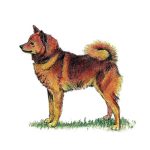
The Finnish Spitz offers a striking impression with its vivid, red-gold coat that seems to glow in the sunlight. This small-to-medium-sized dog stands out for its wedge-shaped head, cocked pointed ears, and a plumed tail that arches over the back, all signature features of spitz-type breeds. On first glance, the Finnish Spitz appears both lively and robust, with a compact frame and well-proportioned build. Males tend to be a bit larger and possess more substantial coats than females.
The facial expression of the Finnish Spitz is alert and engaging, thanks to its almond-shaped, dark eyes and sharply pointed ears that convey constant awareness of its surroundings. The muzzle is fine and tapers evenly, with a pitch-black nose and tightly closed black lips emphasizing a clean-cut appearance. Its jaws form a perfect, regular scissor bite, contributing to the breed’s overall balance and symmetry.
This breed’s coat is particularly notable for its quality and coloration. The fur is medium in length, with short, dense hair on the head and front legs, while longer, stiffer hair along the neck, back, thighs, and tail creates an elegant, semi-erect appearance. The undercoat is softer and lighter, lending an iridescent sheen to the entire coat. Finnish Spitz dogs come primarily in shades of red or red gold, with permissible lighter shading on the underbody and certain areas. A narrow white chest stripe is allowed, and puppies may have sparse black hairs that diminish with maturity.
The build of the Finnish Spitz is almost square, with a straight, strong back, deep chest, and slight tuck up in the belly. Rounded feet, well-angled hindquarters, and light, springy movement showcase its origins as a versatile hunter capable of traversing various terrains. Adult males typically stand 17–20 inches tall at the shoulder and weigh 31–35 pounds, while females are slightly smaller.
Temperament & Behavior
The Finnish Spitz displays an alert, lively, and independent temperament that is ideal for owners seeking a mix of companionship and spirited autonomy. Friendly yet self-assured, this breed enjoys being part of a family but maintains the keen awareness and autonomy developed through centuries of independent hunting tasks. With the right socialization, Finnish Spitz dogs are approachable and trustworthy around children, fitting well into active households that can offer consistent companionship and guidance.
Being eager to hunt and courageous—with a hint of caution—this breed thrives when allowed to exercise its natural instincts in a managed way. As members of the wider hound group, Finnish Spitz dogs display dignity, intelligence, and a certain degree of aloofness that is often appreciated by those looking for a more independent type of companion. They can be aloof with strangers but are typically loyal and affectionate with their families.
The Finnish Spitz is well known for its vocal nature. Historically, its barking ability was a prized trait for signaling game, and today it uses its voice readily to alert about anything unusual. This trait makes it an outstanding watchdog, although consistent training is important to ensure barking does not become excessive in a home setting.
Owners should expect a dog that balances friendliness with a confident, slightly reserved demeanor. The Finnish Spitz tends to get along with other dogs when introduced properly but maintains a definite preference for making its own decisions at times. This blend of independence and affection creates a rewarding, if sometimes headstrong, relationship for experienced and patient owners.
Care & Living Needs for the Finnish Spitz
The Finnish Spitz is best suited for active families or individuals ready to provide daily physical and mental stimulation. A typical day should include up to an hour of exercise, including walks, playtime, and, when possible, activities that tap into their hunting instincts, such as scent games. While not the most high-strung breed, boredom or under-stimulation can lead to unwanted behaviors, especially vocalization.
This breed is adaptable in terms of home size, fitting comfortably in a small house as long as its need for activity and outdoor access is met. They do best with a small to medium garden for frolicking and exploring but are equally content in urban environments when exercised regularly. Both town and country settings can work well for the Finnish Spitz, as long as physical space for movement and play is available.
Grooming requirements are moderate; brushing more than once a week is recommended to control their moderate shedding and keep the medium-length, double coat healthy. Their coat needs attention, particularly during seasonal shedding periods, and regular checks of ears, teeth, and nails should be routine. Bathing is rarely needed unless the dog is especially dirty, as the coat repels dirt quite well.
Mental stimulation is just as important as physical exercise. Training sessions should be consistent but creative, using positive reinforcement to engage their clever minds without overwhelming their desire for independence. Early socialization with people, other dogs, and various environments helps develop a well-balanced adult dog.
The Finnish Spitz may not be the ideal choice for people who prefer very quiet, docile breeds or those who cannot commit to regular exercise and grooming. Prospective owners searching for a dog that is easily trained without much effort or who expect a non-shedding breed may want to consider alternatives.
Health & Common Issues
The Finnish Spitz is generally a robust and healthy breed, often enjoying a lifespan of over ten years with proper care. No specific health information is flagged in the official breed summary, and the breed is not classified as vulnerable or prone to widespread hereditary issues.
Routine veterinary check-ups and preventive care are recommended, as they are for all breeds. Owners should pay attention to general factors like maintaining healthy weight, monitoring for dental health, and keeping the nails and coat in good condition. Balanced exercise helps keep joints and muscles strong, while appropriate diet and regular brushing support overall well-being.
Since the breed standard highlights the importance of soundness and cautions against exaggerations that could affect welfare, both breeders and owners should be mindful of buying from responsible sources and observing good canine care practices.
Official Breed Standard Summary
The official breed standard describes the Finnish Spitz as a compact and lively dog, displaying robust hunting ability, energy, and a characteristic boldness in expression. Males carry more coat and possess a slightly more substantial build than females, though both sexes present a silhouette that appears almost square. The head is well defined, with lively almond-shaped eyes, sharply pointed ears, and a tightly curled plumed tail.
The Finnish Spitz’s coat is a defining feature: medium in length with a distinct, stand-off outer layer and a dense, soft undercoat. Bright reddish-brown to red-gold hues are preferred, with lighter shading on the inner body and allowable highlights on the chest. The movement is light, quick, and springy, demonstrating agility and poise whether at work or play.
According to the breed standard, the dog should show eagerness to hunt, courage balanced with caution, fidelity, and intelligence. Any deviation from the established physical and behavioral guidelines is considered a fault, especially if it impacts the dog’s health or welfare. The size range for adult males is 17–20 inches in height and 31–35 pounds in weight, with females being slightly smaller.
Prospective owners are reminded that while the breed standard sets forth the ideal, individual dogs may still vary somewhat in height, weight, and other traits. Absolute soundness, good health, and a well-balanced temperament are always the priorities for this breed.
Frequently Asked Questions about the Finnish Spitz
Is the Finnish Spitz good for first-time dog owners?
The Finnish Spitz is intelligent and friendly but can be independent, requiring consistent training and early socialization. While dedicated first-time owners can succeed, those new to dogs should be prepared for an alert, sometimes stubborn companion that thrives with experienced handling.
How much exercise does a Finnish Spitz need daily?
This breed needs up to one hour of exercise each day. Regular walks, interactive play, and activities that engage their mind and body help keep them content and well-behaved.
Is the Finnish Spitz good with children?
Finnish Spitz dogs are generally friendly and lively, making them suitable for families with children. Proper introductions, supervision, and teaching children respectful dog interactions are key to harmonious relationships.
Can the Finnish Spitz live in an apartment?
While the Finnish Spitz can adapt to apartment living, it does best in a small house with access to a garden or nearby outdoor spaces. Adequate exercise and mental stimulation are essential to prevent boredom and excessive barking.
How much grooming does a Finnish Spitz need?
Regular brushing more than once a week is important due to their medium-length double coat and moderate shedding. More frequent grooming may be needed during seasonal shedding, but their coat is low-maintenance and generally easy to care for.
Are there common health concerns in this breed?
The breed is considered robust and healthy, with no specific widespread issues noted. Routine veterinary visits, balanced diet, and preventive care contribute to their longevity and quality of life.


