
What Are the Traits and Care Requirements of the Deerhound Breed?
The Deerhound is an impressive and elegant breed, known for its stature, athletic ability, and gentle character. Traditionally associated with the great estates and wild open spaces of Scotland, this breed appeals to owners who appreciate a dog with history, grace, and a serene presence. For those who can provide abundant room to roam and regular daily adventures, the Deerhound offers a unique companionship experience.
This breed is especially appealing to people who want an affectionate, docile family companion that thrives with plenty of exercise and stimulation. With their easy-going demeanor, Deerhounds can form strong, loyal bonds with their households while maintaining a gentle dignity that makes them just as suitable for family life as for those with a passion for canine athleticism.
- Overview of the Deerhound
- Key Characteristics
- Appearance of the Deerhound
- Temperament & Behavior
- Care & Living Needs
- Health & Common Issues
- Official Breed Standard Summary
- Frequently Asked Questions
Group: Hound
Size: Large
Exercise needs: More than 2 hours per day
Coat length: Medium
Grooming: More than once a week
Shedding: Yes
Lifespan: Over 10 years
Ideal home type: Large house
Town or country: Country
Garden needs: Large garden
Overview of the Deerhound
The Deerhound has a storied history stretching back over 500 years in Scotland. Originally, large rough-coated dogs of the Greyhound type were bred and valued for their prowess in hunting wolves, earning them early names like the Scottish Wolfdog. As wolves became less common, the breed evolved into masters of deer coursing, chasing and bringing down stags across open landscapes—a skill that gave them tremendous popularity among Scottish hunters.
Over time, the breed’s function shifted as hunting methods changed, particularly with the advent of firearms in the 18th century, but the Deerhound maintained its devoted following. Elegant yet athletic, the breed made a strong return to favor during the Victorian era for its noble appearance and gentle nature, securing its place as both a symbol of the Scottish Highlands and a beloved companion.
The Deerhound is best suited to owners who have the space and dedication to meet its considerable needs for physical exercise and mental engagement. Ideal for rural homes with expansive gardens, this breed excels with people who lead active lifestyles and can offer the stimulation and space required by such a large, powerful hound.
Key Characteristics
- Energy level – The Deerhound has a high energy level and flourishes with more than two hours of daily exercise.
- Trainability – Known for eager-to-please and obedient tendencies, making training relatively straightforward when positive, gentle methods are used.
- Intelligence – Possesses solid instinctive intelligence, especially in relation to hunting and movement, and responds well to mental stimulation.
- Prey drive – Displays pronounced prey drive, stemming from centuries of coursing and hunting large game.
- Social needs – Bonds closely with family members and enjoys regular companionship without displaying excessive clinginess.
- Compatibility with families and children – Gentle and docile with children, making for a tolerant and trustworthy family pet in the right environment.
- Compatibility with other dogs – Generally sociable with other dogs, especially when socialized from a young age, but may chase smaller animals.
- Guarding or watchdog tendencies – Deerhounds are not natural guardians and typically lack strong protective or territorial instincts.
- Adaptability to city or country life – Strongly favors rural settings where ample outdoor space is available; not suited to city apartments.
- Best suited owner type – Ideal for experienced owners with a large home, securely-fenced garden, and an appreciation for daily outdoor activity.
- Typical daily routine – Benefits from long walks or runs, interactive play, and time relaxing with its family indoors.
Appearance of the Deerhound
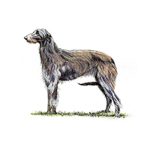
The Deerhound embodies the classic silhouette of a sighthound, but with a robust and rough-coated twist. Its frame is similar to that of a Greyhound, though larger and with far more bone, resulting in a dog that looks both refined and powerfully athletic. The presence of shaggy, crisp-textured hair across the body and a mane around the neck emphasize its rugged origins, while its graceful lines reflect speed and endurance.
The breed’s head is notably long, broadest at the ears before gently tapering toward a slightly aquiline, black nose. The skull is flat and covered with somewhat softer hair than the rest of the body, offset by a distinguished mustache and beard. The Deerhound’s dark eyes exhibit a soft, soulful gaze in repose, shifting to intensity when the dog is alert. Ears are set high and are small, folded, and carried back, though they may rise and semi-erect with excitement.
Strong in the neck and forequarters, the Deerhound’s chest is deep—never overly broad or flat-sided—providing capacity for the stamina required in long pursuits. The body flows into a well-arched loin, broad hips, and muscular hindquarters, all contributing to sweeping, efficient movement. Feet are compact and well-knuckled, while the long, thick tail, tapering toward a slight fringe, adds an elegant finishing touch.
Coat color ranges from the classic dark blue-grey through various shades of grey, brindle, and sandy-red or fawn, often with black points. Minimal white markings may appear on the chest, toes, or tail tip, but Deerhounds are distinctly self-colored. Males stand at least 30 inches at the withers and weigh around 100 pounds; females are slightly smaller, ensuring an impressive but balanced presence.
Temperament & Behavior
The Deerhound is renowned for its gentle and calm nature, making it a pleasure at home and in close family circles. These dogs are deeply affectionate but not demanding, exhibiting quiet dignity and a willingness to connect with their people. Obedience and docility are hallmarks of the breed, and they are typically eager to please without showing timidity or aggression.
At rest, the Deerhound is placid and content, often preferring a soft bed and the company of loved ones. When given opportunities for exercise and play, their innate athleticism shines, but this energy is quickly balanced by laid-back relaxation. The breed gets along well with children who respect their size and nature, thanks to their steady temperament and patience.
Compatibility with other dogs is generally high, provided they are socialized early on. Due to their background as sight hounds, they are prone to chasing, especially smaller animals, so introductory care and control are essential around pets like cats or rabbits. The Deerhound rarely shows suspicion or excessive guarding behavior, making it a nonintrusive companion in both homes and communities.
Belonging to the hound group, the Deerhound maintains a trustworthy and aloof air but delights in regular interaction, appreciation, and gentle leadership. Daily structure, kind reinforcement, and access to stimulating environments will bring out the very best in this noble breed.
Care & Living Needs for the Deerhound
The Deerhound requires a significant investment of daily exercise—typically more than two hours—to meet its physical and mental needs. Large, secure spaces are best, as a sizeable home and garden allow them to safely stretch their long limbs and indulge their instinct for running. Rural environments are a perfect fit, while city life, especially in small apartments, does not serve this breed well.
The Deerhound’s medium-length, shaggy coat calls for brushing more than once a week to minimize tangling and manage shedding. While not particularly prone to matting, regular grooming will keep their harsh coat in good condition and help reduce loose hair around the house. Shedding occurs year-round, so dedicated upkeep is essential for a healthy coat and clean home.
Mental stimulation is crucial for the Deerhound’s contentment. Incorporate variety into their routine, such as new routes for walks, interactive play sessions, and gentle, positive training focused on recall and basic commands. Early training, reinforced throughout their lives, ensures the Deerhound remains obedient and manageable, especially when off-lead exercise is involved.
This breed is not ideal for those without ample space or the time for vigorous daily outings. First-time owners may find the sheer size and requirements of the Deerhound challenging without adequate preparation or support. Households that can offer both calm indoor time and adventure outdoors will find this breed a rewarding addition.
Health & Common Issues
While the dataset does not specify particular health issues unique to the Deerhound, their size and build make general wellness care especially important. Routine veterinary checkups help monitor joint health and maintain a healthy weight, which is key for large, active breeds.
Exercise should be balanced—enough to sustain muscle tone and overall wellbeing, but not so extreme as to stress developing bones in young dogs. Regular grooming helps spot minor issues before they develop and keeps the coat and skin in top condition.
Oral health should not be neglected, so establishing a dental care routine early on is advised. Keeping the ears clean and monitoring the eyes for clarity also contributes to overall health and comfort. Preventative care, good nutrition, and an active lifestyle are the cornerstones to the Deerhound’s longevity and vitality.
Official Breed Standard Summary
The official breed standard provides a clear guideline of the Deerhound’s ideal qualities, from structure and movement to temperament. The breed is described as resembling a rough-coated Greyhound, but larger in size and substance, with proportions that balance strength and athleticism. Movement is expected to be easy, active, and marked by a long and efficient stride, indicative of the breed’s coursing heritage.
Coat texture is vital—a harsh, ragged feel that lies close without being excessive, and a slight fringe on legs is acceptable. Coat colors include a spectrum of greys, blue brindles, and red-fawn shades, with minimal white preferred. Males should stand at least 30 inches at the withers and females at 28 inches, with corresponding weights of approximately 100 and 80 pounds respectively.
Temperament is defined by gentleness, obedience, and a willingness to please, with aggression or nervousness being undesirable. The standard also emphasizes correct head and skull features, a deep chest, arched loin, well-muscled hindquarters, and compact feet, creating a dog that is both elegant and robust.
Faults in the breed are judged in proportion to their impact on health and welfare. Prospective owners should recognize that not all Deerhounds will precisely fit the ideal measurements or guidelines; some variation is normal and acceptable, provided the dog is sound in body and mind.
Frequently Asked Questions about the Deerhound
Is the Deerhound good for first-time dog owners?
The Deerhound’s size and exercise requirements make it a better match for experienced or well-prepared owners. Those new to dogs should be sure they can meet the breed’s needs for space, activity, and ongoing socialization before committing.
How much exercise does a Deerhound need daily?
This breed thrives on more than two hours of exercise every day. Access to large, secure areas for running is ideal to keep a Deerhound fit and mentally satisfied.
Is the Deerhound good with children?
Deerhounds are known for their gentle and tolerant nature, making them generally well-suited to families with children. Supervision is always recommended due to their large size and instinctive movements.
Can the Deerhound live in an apartment?
Due to their large size and strong need for daily exercise, Deerhounds are not suited to apartment life. They benefit from spacious homes with access to large gardens or countryside environments.
How much grooming does a Deerhound need?
The Deerhound’s medium, shaggy coat requires brushing more than once a week to manage shedding and keep the hair in good condition. Regular grooming is important but not overwhelmingly demanding.
Are there common health concerns in this breed?
While no specific issues are outlined in the dataset, like all large breeds, Deerhounds benefit from regular veterinary care to support joint health and manage their overall wellbeing. Balanced exercise, good nutrition, and preventative care help ensure a long, healthy life.


