
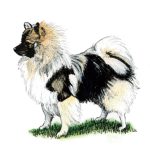
What Are the Traits and Care Tips for the German Spitz (Klein)?
The German Spitz (Klein) is a charming small companion, ideal for individuals or families seeking an affectionate, lively, and intelligent dog. Its manageable size and adaptable nature make it a popular choice for city dwellers in apartments as well as those with a small or medium garden. Owners who appreciate a dog with character and a striking appearance will find the German Spitz (Klein) to be an engaging presence in the household.
Traditionally belonging to the Utility group, this breed stands out for its keen intelligence, alertness, and high spirits. Possessing a luxurious double coat and a range of attractive colors, the German Spitz (Klein) delights not only with its appearance but also with its buoyant personality. This is a breed that thrives as a companion, rewarding attentive ownership with devotion and charm.
- Overview of the German Spitz (Klein)
- Key Characteristics
- Appearance of the German Spitz (Klein)
- Temperament & Behavior
- Care & Living Needs
- Health & Common Issues
- Official Breed Standard Summary
- Frequently Asked Questions
Group: Utility
Size: Small
Exercise needs: Up to 1 hour per day
Coat length: Medium
Grooming: Every day
Shedding: Yes
Lifespan: Over 12 years
Ideal home type: Flat/ Apartment
Town or country: Either
Garden needs: Small/ medium garden
Overview of the German Spitz (Klein)
The German Spitz (Klein) traces its roots back to Northern Europe, believed to descend from larger spitz-type dogs that arrived with Viking settlers centuries ago. Over time, selective breeding in Germany led to a variety of different-sized Spitz dogs, with the Klein representing one of the smaller recognized varieties. Its smaller stature did nothing to diminish its spirited, intelligent nature, making it highly regarded as both a watchful companion and a lively family member.
Historically, the German Spitz was valued for its keen senses and adaptability, fulfilling a range of roles from watchdog to companion. Today, the Klein variety, sharing its breed standard with the slightly larger Mittel, is best known as a cheerful and curious pet. The breed appeals to those who value a sociable dog with character—one that is suitable for a wide range of living environments thanks to its compact size and flexible disposition.
For potential owners, the German Spitz (Klein) offers an enchanting combination of intelligence, loyalty, and visual appeal. Its impressive coat and expressive personality make it well-suited to homes where it can interact regularly with people, participate in play, and be a part of daily life. Whether you live in an urban apartment or a rural home with a modest garden, the German Spitz (Klein) adapts happily, provided its social and activity needs are met.
Key Characteristics
- Energy level – Curious and lively, this breed enjoys activities and regular play, thriving on daily stimulation.
- Trainability – Responsive and intelligent, the German Spitz (Klein) often picks up commands quickly when positive reinforcement is used.
- Intelligence – Highly intelligent, making both training and mental games rewarding for dog and owner alike.
- Prey drive – May display moderate alertness to movement, a reflection of its spitz heritage, though overly pronounced prey drive is not typical.
- Social needs – Social and people-oriented, the breed loves to be included in family activities and will bond closely with its household.
- Compatibility with families and children – Its happy, confident nature makes it generally a delightful family companion when socialized well.
- Compatibility with other dogs – Can get along with other dogs if introduced properly and socialized from an early age.
- Guarding or watchdog tendencies – Naturally alert, often quick to announce unfamiliar visitors or sounds, serving as a reliable little watchdog.
- Adaptability to city or country life – Highly adaptable, makes itself at home in either an apartment or a house with a modest garden.
- Best suited owner type – Great for attentive owners who value personality and regular interaction in a dog.
- Typical daily routine – Enjoys daily walks, structured play, interactive training, and plenty of human company.
Appearance of the German Spitz (Klein)
The German Spitz (Klein) is a striking small dog, recognized for its compact, nearly square silhouette and well-knit body proportions. Despite its plush coat, the breed is solid and well-muscled, presenting a lively and robust presence. Males and females maintain distinct masculine and feminine outlines, and the Klein stands at 23-29 centimeters (9-11.5 inches) at the shoulder, making it highly manageable for most households.
Its head is distinguished by a medium-large, wedge-shaped profile, featuring a broad, nearly flat skull and a moderately defined stop. The eyes are always dark, oval, and obliquely set, contributing to the breed’s alert and expressive gaze. Small, triangular ears are set high and stand perfectly erect, enhancing the keen, attentive look that defines the breed.
The double coat is one of the German Spitz (Klein)’s most notable features. It includes a soft, woolly undercoat and a straight, harsh-textured top coat that stands away from the body. The profuse mane-like frill around the neck and forequarters emphasizes its regal bearing. Feathering on the limbs and a bushy, well-curled tail carried high over the back add to its silhouette. A wide spectrum of colors is accepted for this breed, ranging from solid black, cream, gold, and white to various sables and tricolor patterns. Merle, however, is not accepted as a breed color.
Feet are small and reminiscent of a cat’s, with well-arched toes, while the tail forms a notable plume that is carried confidently. The movement is effortless and brisk, maintaining a level topline and reflecting the dog’s agile build.
Temperament & Behavior
The German Spitz (Klein) is cheerful, confident, and eager to be part of family life. A happy demeanor combines with a stable temperament; nervousness or aggression is not characteristic of the breed. Instead, owners will discover a dog that thrives when involved in household activities, displaying unwavering devotion to its people.
Thanks to its alertness and lively independent streak, the German Spitz (Klein) enjoys both physical and mental engagement. While it may exhibit a vocal attitude when something new or unexpected arises, this alertness makes it an effective little watchdog. At the same time, its affectionate and sociable personality suits family living, including homes with children when properly introduced and managed.
Dogs in the Utility group are often bred for their suitability for a range of practical tasks beyond sports and traditional working categories. The German Spitz (Klein) embodies this diversity: active, intelligent, and possessing a finely tuned sense of situational awareness, it is always ready for a game, a walk, or simply keeping its humans company.
Owners should be aware that the German Spitz (Klein)’s need for interaction means it may not thrive in situations where it is left alone for long periods. Positive socialization with people and other pets from early on helps ensure the breed’s natural confidence blossoms into a well-rounded temperament.
Care & Living Needs for the German Spitz (Klein)
The German Spitz (Klein) is active and enjoys up to an hour of daily exercise, including walks, play sessions, and interactive games. Short walks combined with stimulating training or agility tasks will satisfy its physical and mental needs. Its adaptability means it fits well into both smaller flats and houses with modest gardens, as long as it receives regular outings and opportunities to stretch its legs safely.
When it comes to living arrangements, this breed does not demand vast spaces. A small or medium-sized garden is more than sufficient, and the breed’s small stature suits apartment living as long as exercise needs are met. Whether in the city or countryside, the German Spitz (Klein) remains happy when near its people.
Grooming is an everyday commitment. Possessing a medium-length double coat, this dog requires daily brushing to manage shedding and prevent tangles, especially around the frill and feathered limbs. Despite its volume, the coat is not intended for trimming (other than minor tidying of feet and the anal area), and evidence of excessive shaping is discouraged for show standards. The breed is known to shed, so owners should be prepared for regular maintenance to keep the coat in top condition.
Mental engagement is vital. Providing puzzle toys, learning new tricks, or engaging in interactive play strengthens the bond between dog and owner while satisfying its intelligence. Positive reinforcement training works exceptionally well, but harsh methods should be avoided, as this intelligent breed responds best to encouragement and clear guidance.
This breed may not be suited for people looking for a low-maintenance pet or for households where the dog will be left alone frequently. Busy individuals who cannot commit to daily grooming and interaction may find the German Spitz (Klein) demanding. However, attentive owners who invite this breed into their lives are rewarded with devoted and lively companionship.
Health & Common Issues
The dataset does not specify breed-specific health concerns for the German Spitz (Klein). In general, small-sized breeds like this tend to enjoy robust health, especially when provided with regular veterinary checks and an appropriate diet.
Routine grooming supports skin and coat health, helping owners spot issues early. Regular dental care and sensible exercise—avoiding undue strain—are always wise. Monitoring weight and ensuring mental as well as physical exercise will support both quality and length of life for this breed.
While the breed is known for its longevity, with many individuals living over 12 years, maintaining regular wellness checks with a veterinary professional is important. Staying alert to any changes in movement, appetite, or behavior allows early detection of health issues and helps keep the German Spitz (Klein) healthy and happy throughout its life.
Official Breed Standard Summary
The official breed standard for the German Spitz (Klein) outlines a compact, square-built dog in firm condition, whose appearance is not disguised by its profuse double coat. This coat, with its distinct, long, harsh outer layer and soft undercoat, creates a frill around the neck and abundant feathering on the limbs, ensuring the breed’s striking and distinctive silhouette. The overall aim of the standard is to emphasize a dog that is fit, athletic, and sound, capable of fulfilling the roles historically assigned to it.
Acceptable colors cover a wide spectrum, and while almost every variety and combination is welcomed, the merle pattern is specifically excluded. Movement should be brisk and effortless, with a level topline and straight, natural action—a hallmark of a well-balanced Spitz. Males should be clearly masculine, females feminine, and the breed standard allows for some natural variation in size and individual appearance, stating that measurements are intended only as a guide.
Traits considered faults are evaluated based on their impact on the dog’s welfare and function. The breed is not to be excessively trimmed, except for necessary tidying of the feet and certain parts. Distinctively, all males should have two normal testicles fully descended. Judges and breeders are encouraged to avoid selecting for exaggerations that could impact the dog’s well-being.
The breed standard upholds the German Spitz (Klein) as an active, intelligent, and beautifully presented companion, whose versatility and striking looks are matched with a steady, affectionate temperament. Owners seeking a dog true to the origins and intent of the breed will find these standards rewarding and practical references.
Frequently Asked Questions about the German Spitz (Klein)
Is the German Spitz (Klein) good for first-time dog owners?
Its friendly disposition and manageable size make the German Spitz (Klein) a strong choice for first-time dog owners willing to invest in daily grooming and regular interaction. Its intelligence means training is generally straightforward with patience and consistency.
How much exercise does a German Spitz (Klein) need daily?
This breed is active and benefits from up to an hour of exercise each day. Walks combined with play and mental stimulation suit their needs perfectly.
Is the German Spitz (Klein) good with children?
When raised alongside children and properly socialized, the German Spitz (Klein) is typically affectionate and enjoys being part of family activities. As with any breed, supervision and respectful interactions are important for harmonious relationships.
Can the German Spitz (Klein) live in an apartment?
The breed adapts well to apartment living due to its small size, provided it receives regular walks and opportunities for play and socialization. Adequate daily exercise and company are more important than the size of the living space.
How much grooming does a German Spitz (Klein) need?
Daily grooming is recommended to keep the breed’s medium-length, double coat free of tangles and shed hair. Owners should be prepared for regular brushing to maintain coat health and appearance.
Are there common health concerns in this breed?
No breed-specific health issues are noted in the provided data, but routine veterinary care, a balanced diet, and weight management are essential to support a long, healthy life for the German Spitz (Klein).


