
What Are the Traits and Care Tips for the German Spitz (Mittel)?
The German Spitz (Mittel) is a charming and highly intelligent breed, well-suited to people who appreciate a lively companion with a striking appearance and a storied history. With their plush double coat and fox-like face, these medium-sized dogs make excellent pets for families, couples, or individuals looking for a devoted canine friend who will thrive both in town and country environments.
This breed stands out for its spirited character and versatility as a companion. The German Spitz (Mittel) isn’t a working or sporting dog by today’s standards, but its roots trace back centuries to practical origins. Now, it excels as a loving family member, alert watchdog, and source of daily joy, especially for those ready to meet its grooming and exercise needs.
- Overview of the German Spitz (Mittel)
- Key Characteristics
- Appearance of the German Spitz (Mittel)
- Temperament & Behavior
- Care & Living Needs
- Health & Common Issues
- Official Breed Standard Summary
- Frequently Asked Questions
Group: Utility
Size: Medium
Exercise needs: Up to 1 hour per day
Coat length: Medium
Grooming: More than once a week
Shedding: Yes
Lifespan: Over 12 years
Ideal home type: Small house
Town or country: Either
Garden needs: Small/ medium garden
Overview of the German Spitz (Mittel)
Originating centuries ago, the German Spitz (Mittel) has long been admired for both its looks and personality. The breed shares ancestry with larger spitz-type dogs historically brought from Scandinavia by the Vikings, which helps explain their weather-resistant coats and robust build. Over time, these dogs were refined in Germany, where they were split into several size varieties, with the Mittel being the medium-sized variant that balances substance and elegance.
Initially valued for their alertness and ability to serve as watchdogs, German Spitz dogs were prized companions on farms and in homes. Today, the Mittel’s intelligence and lively spirit have made it a popular choice among families, professionals, and retirees who seek a social, loyal, and entertaining companion. Their adaptability has further increased their appeal, as they are equally content in suburban houses, city apartments, or rural properties.
With a unique combination of brains, energy, and affectionate temperament, the German Spitz (Mittel) fits well with committed owners who want a dog that will engage with family life, participate in regular activities, and contribute a dash of old-world charm to the household.
Key Characteristics
- Energy level – Moderate to high, enjoying daily walks and play sessions but able to settle indoors.
- Trainability – Quick learners who respond well to positive reinforcement but may display independence.
- Intelligence – Highly intelligent and often figuring out things on their own.
- Prey drive – Generally low, though some may show curiosity toward small animals.
- Social needs – Enjoy spending time with family and tend to form strong bonds with their people.
- Compatibility with families and children – Known for a cheerful and tolerant nature, making them good playmates for respectful children.
- Compatibility with other dogs – Usually sociable with other dogs when properly socialized.
- Guarding or watchdog tendencies – Naturally alert and likely to announce visitors, offering dependable watchdog qualities.
- Adaptability to city or country life – Adapt well to various living arrangements, thriving both in urban and rural settings.
- Best suited owner type – Fits active singles, couples, or families able to provide mental stimulation and companionship.
- Typical daily routine – Enjoys a blend of exercise, social interaction, and relaxing with the family, plus regular grooming time.
Appearance of the German Spitz (Mittel)
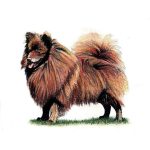
The German Spitz (Mittel) gives a striking first impression with its plush, abundant coat, wedge-shaped head, and alert expression. This breed boasts an almost square build, with its body length approximately equal to height at the withers, creating a compact, well-balanced outline. Despite the profuse double coat, the underlying frame should feel sturdy and well-constructed, never flimsy or delicate.
Distinctive facial features include a medium-large, broad skull with a gently tapering muzzle, producing a signature spitz silhouette. Oval, obliquely set eyes convey both intelligence and warmth. The breed’s small, triangular ears are set high and stand perfectly erect, contributing to their attentive, lively demeanor. Their tail is carried in a characteristic high curl, lying over the back and covered in abundant spreading hair.
One of the most celebrated attributes of the German Spitz (Mittel) is its luxurious coat. It features a double layer: a soft, woolly undercoat beneath a longer, harsh-textured top coat that radiates outwards, especially around the neck and shoulders in a frill-like collar. Feathering along the legs and rear adds to the fluffy outline, while the face sports shorter, smooth hair. Scissoring or shaping isn’t typical for this breed, with only feet and certain areas allowed for light tidying.
Color variety is immense—ranging from rich blacks, blues, browns, creams, golds, oranges, whites, sables, and countless combinations—though merle is not accepted. Males should appear masculine and females feminine, with Mittel size typically standing 12–15 inches high at the withers.
Temperament & Behavior
At home, the German Spitz (Mittel) shines as a cheerful, adaptable companion, embodying the utility group’s hallmark of fitness for varied purposes. Its temperament is described as confident and even-tempered, showing no inclination toward nervousness or aggression. Owners often find their Spitz lively, animated, and filled with personality—never dull, but capable of calming down when the household settles.
This breed’s intelligence and independence manifest as buoyancy and curiosity. German Spitz (Mittel) dogs are attentive to their families but retain a certain self-reliance, making them interesting and engaging companions. They tend to be loyal and form strong bonds with their people, thriving on consistent involvement in household routines and social activities.
With other animals and children, the German Spitz (Mittel) is generally good-natured and playful, provided introductions are handled thoughtfully. Early socialization is important to prevent excessive suspicion or over-alertness toward strangers, as their natural watchdog skills can otherwise lead to persistent barking. Well-mannered, respectful kids will find a cheerful playmate in this breed.
As part of the Utility group—which includes a diverse mix of non-sporting breeds—the German Spitz brings both historical purpose and modern versatility. While its roots are in tasks such as alerting and companionship rather than specialized work, it consistently exhibits devotion, sharpness, and an eagerness to be involved. Owners who meet their mental needs will find the Spitz a rewarding addition to everyday life.
Care & Living Needs for the German Spitz (Mittel)
Among medium-sized breeds, the German Spitz (Mittel) is relatively adaptable, requiring up to an hour of exercise per day. A combination of brisk walks, garden play, and interactive games will meet their physical and mental needs, making them suitable for people with active, yet not overly demanding, lifestyles.
German Spitz (Mittel) thrives in small houses with access to a small or medium garden but can live happily in well-managed urban spaces, as long as daily physical activity and stimulation are provided. The breed’s moderate size means that sprawling acreage isn’t necessary, but a secure area to stretch their legs is beneficial.
Coat maintenance is one of the breed’s primary care considerations. Regular grooming—more than once a week—is needed to prevent tangles and manage shedding, with particular attention during seasonal coat changes. The double coat should not be heavily trimmed or sculpted, aside from tidying feet and select hygiene areas. Owners should be prepared for moderate to heavy seasonal shedding.
These intelligent dogs require more than just physical outlets; mental stimulation through puzzle toys, basic training routines, or learning new tricks is essential to prevent boredom. Their independence requires a gentle, consistent approach to training, using positive reinforcement and patience.
This breed is not an ideal fit for those who dislike grooming routines, or for individuals who are frequently away from home for long periods. Their social nature and desire for interaction make them best suited to households that can offer both companionship and structure.
Health & Common Issues
German Spitz (Mittel) are known for their generally robust constitution and enjoy a long lifespan, typically over 12 years when properly cared for. They are not noted for breed-specific health problems in the standard, which suggests a background of relative soundness.
Owners should focus on routine preventive care: maintaining a balanced diet, providing appropriate daily exercise, and ensuring regular grooming to keep skin and coat healthy. Oral health and dental hygiene should also be considered as with all small to medium breeds. Regular veterinary check-ups are recommended to address any general health maintenance.
Because of their double coat, these dogs need consistent grooming to avoid matting and associated skin issues, particularly during heavy shedding periods. Owners should also monitor their weight and joint health, as with any active breed, by keeping up a sensible exercise routine and monitoring for any signs of discomfort. Early training and socialization will help ensure a happy and well-adjusted companion.
Official Breed Standard Summary
The official breed standard for the German Spitz (Mittel) emphasizes a compact, square profile with substantial bone and a level topline. The appearance should not be concealed by the breed’s abundant double coat, which is both striking and practical. Acceptable size for Mittel is 12–15 inches (30–38 cm) at the withers, with males appearing masculine and females feminine, though the standard does allow for size variation in individual dogs.
All color varieties and markings, except for merle, are permitted, contributing to the breed’s visual diversity and appeal. The standard specifies an expressive head with moderately large, oval-shaped eyes, small erect ears, and a muzzle about half the length of the head. The coat forms an impressive, straight, off-standing ruff around the neck and forequarters, with well-feathered legs and profusely covered tail curled over the back. Only minor trimming or tidying is acceptable, avoiding elaborate shaping.
The ideal gait is brisk, effortless, and retains a level topline, without exaggeration from any angle. Faults are considered relative to their impact on the health and welfare of the dog, with features that are undesirable or compromise function discouraged in the show ring. It is noted that two normal testicles should be fully descended in males.
The breed standard exists as a guideline to the ideal German Spitz (Mittel), providing a reference for responsible breeders and judges. It also reminds prospective owners that actual dogs may vary somewhat from these measurements or descriptions without detracting from their suitability as companions.
Frequently Asked Questions about the German Spitz (Mittel)
Is the German Spitz (Mittel) good for first-time dog owners?
This breed can be a good choice for first-time owners who are committed to regular grooming and socialization. Their intelligence and friendly nature make them manageable with consistent, gentle training methods.
How much exercise does a German Spitz (Mittel) need daily?
The German Spitz (Mittel) requires up to an hour of daily exercise. Walks, play sessions, and some time exploring outdoors help keep them happy and healthy.
Is the German Spitz (Mittel) good with children?
With their tolerant, playful, and equable disposition, German Spitz (Mittel) typically get along well with respectful children. Proper supervision and early interaction help foster positive relationships with kids of all ages.
Can the German Spitz (Mittel) live in an apartment?
Yes, this breed adapts well to apartment living as long as daily exercise and mental stimulation are provided. Their manageable size and alert but not overly boisterous personality make them suitable for city dwellers who can commit time to their care.
How much grooming does a German Spitz (Mittel) need?
Frequent grooming, more than once a week, is necessary due to the breed’s thick double coat. Regular brushing helps control shedding, maintains coat health, and prevents matting.
Are there common health concerns in this breed?
The German Spitz (Mittel) is generally a healthy and long-lived breed, with no breed-specific health warnings noted in their standard. Routine check-ups and preventive care help ensure ongoing well-being.


