
What Are the Traits and Care Requirements of the Japanese Akita Inu?
The Japanese Akita Inu is a striking and dignified large-breed dog known for its noble appearance and deep-rooted heritage. This breed suits experienced dog owners looking for a companion with both a commanding presence and unwavering loyalty. Often admired for their courage and composure, Japanese Akita Inus are not the right match for everyone but can be a rewarding addition to the right household.
With a history that stretches back centuries in Japan, the Akita Inu stands out among Utility group breeds for its intelligence, alertness, and striking looks. It is a breed that thrives with active families or individuals who appreciate the importance of daily exercise, mental stimulation, and consistent leadership. Whether serving as a family protector or loyal companion, the Japanese Akita Inu leaves a lasting impression wherever it goes.
- Overview of the Japanese Akita Inu
- Key Characteristics
- Appearance of the Japanese Akita Inu
- Temperament & Behavior
- Care & Living Needs
- Health & Common Issues
- Official Breed Standard Summary
- Frequently Asked Questions
Group: Utility
Size: Large
Exercise needs: More than 2 hours per day
Coat length: Short
Grooming: More than once a week
Shedding: Yes
Lifespan: Over 10 years
Ideal home type: Large house
Town or country: Either
Garden needs: Large garden
Overview of the Japanese Akita Inu
The Japanese Akita Inu is a breed with ancient origins, tracing its lineage back to spitz-type dogs that arrived in northern Japan centuries ago. This breed emerged in the rugged mountainous regions, where its strength, double coat, and keen senses made it perfectly suited for harsh climates and a range of working roles. The Akita Inu of today maintains many of the physical and behavioral traits that allowed its ancestors to thrive as hunters, guards, and loyal companions.
Selective breeding in Japan preserved the distinct qualities of the Akita Inu, resulting in a powerful and dignified dog with a characteristic wedge-shaped head, curled tail, and striking markings. In more recent history, the Japanese and American Akitas were formally recognized as separate breeds, with the Japanese Akita Inu prized for its close adherence to the original Japanese standard.
This breed is best matched with owners who have ample space and time to devote to a large, active dog. While adaptable to both town and country settings, the Japanese Akita Inu flourishes in homes that can provide a generous garden and regular mental and physical activity, making it an excellent companion for experienced dog lovers who appreciate its unique temperament and need for consistent leadership.
Key Characteristics
- Energy level – Highly energetic and requires significant daily activity; not a dog for low-key households.
- Trainability – Intelligent but independent; responds best to confident, consistent training from an experienced handler.
- Intelligence – Quick to learn, though can be willful and sometimes stubborn.
- Prey drive – Moderate to high, tracing back to its spitz ancestry and historic roles as a hunter.
- Social needs – Bonds deeply with family but often reserved around strangers and new animals.
- Compatibility with families and children – Suits families with older children who respect boundaries; supervision and socialization are important.
- Compatibility with other dogs – Best as the only dog or with careful introductions; may be assertive or dominant, especially with dogs of the same sex.
- Guarding or watchdog tendencies – Natural protectiveness and alertness make them vigilant guardians of home and family.
- Adaptability to city or country life – Can adapt to either, provided ample space, exercise, and structure are present.
- Best suited owner type – Experienced, active owners who value training and have the time and resources for a large, intelligent breed.
- Typical daily routine – Includes long walks, active play, training sessions, and time to relax with the family.
Appearance of the Japanese Akita Inu
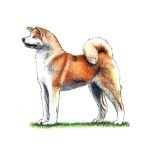
The Japanese Akita Inu is an impressive, large breed with a robust, well-balanced build and an unmistakable spitz-type silhouette. Slightly longer than it is tall, this dog displays an elegance and strength that hint at its ancient origins. The overall effect is both imposing and graceful, with the breed’s characteristic tightly curled tail carried over the back adding a signature flourish.
The head of the Japanese Akita Inu is broad and rounded when viewed from the front, with well-developed cheeks creating a distinctive blunt triangular shape from above. Its dark, almond-shaped eyes are set obliquely, giving an intensely alert and expressive look. Small, thick, triangular ears are positioned well apart and point forward, following the line of the neck for a cohesive, alert posture. Strong jaws with full dentition further contribute to the breed’s powerful presence.
Moving down the body, the muscular neck blends smoothly into strong shoulders and a deep chest. Forelegs are straight and sturdy when viewed from the front, while the breed’s back remains strong and level. The ribcage is moderately sprung, and there is a well-developed tuck-up behind the chest. Hindquarters are strong and provide balance and agility, supporting the moderate, resilient stride typical for the breed. Round, tight feet with thick pads aid endurance and keep the Akita Inu ready for diverse terrain.
The double-layered coat is a signature feature: the outer coat is short, dense, straight, and slightly longer at the withers, rump, and especially the tail. The undercoat is softer and provides insulation. Acceptable colors include red fawn, sesame (red fawn hairs with black tips), brindle, and white. Most coat patterns must display ‘urajiro’ or whitish markings on the muzzle, cheeks, underside, and inside of the legs, creating a softly blended look. Adult dogs stand between 64–70 cm (males) and 58–64 cm (females) at the withers, creating a commanding impression without exaggeration.
Temperament & Behavior
The Japanese Akita Inu is renowned for its dignified, composed, and courageous character. While often calm and poised around the home, this breed remains alert and ready to respond to subtle changes in its environment. Courage and loyalty are at the heart of its personality, making the Akita Inu both a stalwart companion and a natural guardian.
Within the family, the Akita Inu typically forms a deep, loyal bond, showing affection most strongly toward those it knows and trusts. It can be reserved or aloof with strangers and less welcoming towards unfamiliar animals, especially other dogs. Due to the breed’s protective instincts and strong will, early socialization and ongoing confident leadership are key for harmonious relationships both inside and outside of the home.
Membership in the Utility group speaks to the Akita Inu’s history of fulfilling multiple roles, from guardian to companion. While they possess a remarkable ability to focus and work independently, their agile minds and bodies require adequate outlets, or behavioral challenges may arise. These traits, combined with their size and presence, mean they are best suited to dog-savvy owners who appreciate and can manage an assertive, independent canine partner.
Introducing the Japanese Akita Inu to children should be done with care and respect for the breed’s boundaries, and interactions with other animals must be managed thoughtfully. With proper guidance, they shine as devoted family members who watch over their homes with quiet strength.
Care & Living Needs for the Japanese Akita Inu
The Japanese Akita Inu is a high-energy breed that requires more than two hours of robust exercise each day. Long walks, interactive play, and off-leash activities in safe, enclosed areas help meet their physical and mental needs. Engagement in structured activities such as obedience or enrichment games keeps their intelligent minds occupied and prevents boredom-related behaviors.
Ideal living arrangements for this breed include a large house with a spacious, secure garden. While the Akita Inu can adapt to both urban and rural environments, it is not well suited to small apartments or homes without outdoor access. These dogs thrive when given room to move both inside and out, and benefit from a consistent routine that includes both activity and relaxation with their family.
Grooming demands are moderate but consistent due to their dense double coat. Brushing more than once a week is essential, especially during seasonal shedding when the undercoat is released in abundance. Regular grooming helps manage loose hair, keeps the coat healthy, and allows early detection of any skin or coat issues. The Akita Inu sheds year-round, so potential owners should be prepared for frequent vacuuming and diligent coat care.
Mental stimulation is vital—these intelligent dogs respond well to positive, reward-based training methods. Early socialization and continued training throughout life foster a confident and well-mannered adult. Those unable to dedicate consistent time to exercise, training, and grooming, or inexperienced with strong-willed breeds, may want to consider a different type of dog better suited to their lifestyle.
Health & Common Issues
The Japanese Akita Inu is generally a hardy breed with a lifespan commonly exceeding ten years. While the dataset does not list specific health tendencies, responsible ownership practices—such as regular veterinary visits, a balanced diet, and maintaining a healthy weight—form the foundation of good health for any dog.
Active dogs benefit from joint care, so providing appropriate exercise without overexertion during formative months is important. As with all large breeds, care with growth and activity levels during puppyhood can help reduce strain on developing bones and joints. Good oral hygiene and regular grooming remain important parts of their care routine.
Keeping the Akita Inu’s mind and body active also supports their overall wellbeing. Owners should watch for any changes in movement, appetite, or behavior, and seek veterinary guidance promptly if concerns arise. Consistent attention to health, combined with routine checkups, gives these loyal dogs the best chance at a long and comfortable life.
Official Breed Standard Summary
The official breed standard for the Japanese Akita Inu describes an ideal dog that is powerful, well-balanced, and slightly longer than tall, with hallmark spitz features such as a wedge-shaped head, pricked ears, and curled tail. The breed’s proportions are precisely defined, ensuring a harmonious silhouette that is both imposing and agile. Males stand between 64–70 cm at the withers, while females range from 58–64 cm, though some variation is accepted outside these guidelines.
Approved coat colors include red fawn, sesame, brindle, and white. Except in white dogs, all must display ‘urajiro’—distinct, softly blended whitish markings on the cheeks, underside, and inside legs, though these should never be mistaken for white patches on the main body. The stand-off double coat is straight and coarse on the outside, with a plush, dense undercoat providing insulation. The breed standard also calls for strong, muscular limbs, round, tight feet with thick pads, and a tail that is thick, full, and tightly curled.
Movement is expected to be efficient, rhythmic, and resilient, with moderate strides. Health and structural soundness are emphasized, with faults or exaggerations judged in proportion to their impact. The standard warns against rewarding any feature that could cause harm or detract from the breed’s welfare, and highlights the importance of full dentition and correct bite. Male dogs should exhibit two normal, fully descended testicles.
The breed standard serves as an ideal template rather than a strict rule; individual dogs may fall outside the precise measurements described. Above all, the goal is a sound, functional companion true to both appearance and character.
Frequently Asked Questions about the Japanese Akita Inu
Is the Japanese Akita Inu good for first-time dog owners?
This breed is best suited for experienced owners due to its independent nature and strength. First-time dog owners may find its assertiveness and training needs challenging to manage without prior experience.
How much exercise does a Japanese Akita Inu need daily?
The Japanese Akita Inu requires more than two hours of exercise each day. Long walks, play, and mentally engaging activities help keep this large, energetic breed happy and healthy.
Is the Japanese Akita Inu good with children?
With proper socialization and supervision, the Akita Inu can be good with children, especially those who respect the dog’s space and boundaries. Interactions with very young children should always be monitored due to the breed’s size and strength.
Can the Japanese Akita Inu live in an apartment?
This breed is generally not suited for apartment living due to its size and exercise requirements. A large home with access to a spacious garden is recommended for the Akita Inu’s wellbeing.
How much grooming does a Japanese Akita Inu need?
The Akita Inu benefits from brushing more than once a week, with additional grooming during seasonal shedding. Regular attention to its dense double coat helps manage shedding and keeps the coat and skin in good condition.
Are there common health concerns in this breed?
No specific health concerns are highlighted in the dataset, but as with any large, active breed, general care, regular veterinary checks, and weight management are important to ensure longevity and comfort.


