
What Are the Traits and Care Requirements of the Japanese Shiba Inu?
The Japanese Shiba Inu is a striking and compact breed, well-suited for owners looking for an energetic, intelligent companion with a distinct independent streak. Originally developed as a hunting dog in Japan, the Shiba Inu has maintained its sharp wit and lively nature, making it a favorite among those who appreciate a dog with both personality and style.
Shiba Inus often appeal to individuals and families seeking a small-to-medium sized dog that can comfortably fit into urban or suburban environments. Known for their alert demeanor and fox-like elegance, these dogs are as much at home curled up in a city apartment as they are exploring the outdoors. With a blend of loyalty, playfulness, and a dash of independence, the Japanese Shiba Inu is as versatile as it is charming.
- Overview of the Japanese Shiba Inu
- Key Characteristics
- Appearance of the Japanese Shiba Inu
- Temperament & Behavior
- Care & Living Needs
- Health & Common Issues
- Official Breed Standard Summary
- Frequently Asked Questions
Group: Utility
Size: Small-Medium
Exercise needs: Up to 1 hour per day
Coat length: Short
Grooming: Once a week
Shedding: Yes
Lifespan: Over 10 years
Ideal home type: Small house
Town or country: Either
Garden needs: Small/ medium garden
Overview of the Japanese Shiba Inu
The Japanese Shiba Inu is a breed steeped in history and cultural significance. As its name suggests, this breed is one of Japan’s oldest native dogs, and its title, “Shiba Inu,” directly translates to “small dog.” Initially bred for hunting small game birds, the Shiba Inu developed into a keen, agile companion adept at swift, precise movements through rugged terrain. Despite its modest size, the Shiba Inu has always carved out a distinct role in its homeland, and was even named a National Monument of Japan in the 1930s.
The breed’s popularity soared across various Japanese regions, resulting in slightly different types like the Mino, Sanin, and Shinshu, all of which were later combined in a successful survival breeding program. This dedication helped save the Shiba Inu from potential extinction after the tumultuous impact of World War I. Today, this spirited breed stands out for its vibrant personality, adaptability, and unmistakable spitz appearance, making it a great choice for active individuals, couples, or families open to a dog with both charm and an independent mind.
Whether you live in a bustling city or the peaceful countryside, the Shiba Inu adjusts well, provided its exercise and mental stimulation needs are met. Its versatility and manageable size complement a variety of lifestyles, resonating with those looking for a loyal but not overly dependent canine partner.
Key Characteristics
- Energy level – The Shiba Inu is lively and energetic, thriving on daily activity and play.
- Trainability – Intelligent but somewhat independent, this breed responds best to consistent, positive training methods.
- Intelligence – Quick to learn and observant, the Shiba Inu excels in both mental and physical challenges.
- Prey drive – Originally bred for hunting, these dogs retain a strong prey drive and may chase small animals.
- Social needs – While affectionate with family, Shiba Inus can be reserved or aloof with strangers.
- Compatibility with families and children – Generally good with respectful children, especially when socialized early, though supervision is recommended.
- Compatibility with other dogs – Can be selective with other dogs; positive socialization is important for harmony.
- Guarding or watchdog tendencies – Naturally alert, they make excellent watchdogs without being overly aggressive.
- Adaptability to city or country life – Equally content in urban apartments or larger homes with gardens, as long as exercise needs are met.
- Best suited owner type – Suits experienced or prepared owners who appreciate a smart, spirited companion with independent traits.
- Typical daily routine – Enjoys structured walks, play sessions, and opportunities to explore the environment.
Appearance of the Japanese Shiba Inu
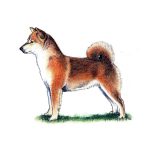
The Japanese Shiba Inu possesses an unmistakable silhouette—small, sturdy, and well-balanced, displaying all the features of the spitz family. At first glance, the Shiba Inu leaves a lasting impression thanks to its proud posture, compact frame, and thick curled tail, which elegantly sits above its back. Males typically stand around 15.5 inches at the withers, while females are slightly smaller, measuring about 14.5 inches, with a modest allowance for size variation.
The head presents as a broad, flat skull with a muzzle that tapers to a gentle point, giving the Shiba Inu its characteristic “blunt triangle” profile when viewed from above. Almond-shaped, dark brown eyes impart an intelligent and inquisitive expression, while the small, triangular ears stand pricked and slightly inclined forward, enhancing the breed’s alert demeanor. The jaws are strong, set in a perfect scissor bite, and a black nose is standard, although lighter shades may occur in white-coated dogs.
Physically, the Shiba Inu’s body is sturdy with a level back, high withers, and a chest of good depth. The forequarters and hindquarters are muscular, providing both power and agility, which translates into light, quick, and energetic movement. Legs are straight with “cat-like” tight feet and dark nails preferred. The tail, thick and plush, is carried curled or in a sickle shape, adding to the breed’s distinct profile.
The Shiba Inu’s coat is short and dense, comprising a hard, straight outer coat and a soft undercoat that offers weather protection. Fur on the tail appears slightly longer and fuller. Acceptable coat colors include intense red, red sesame (red with black overlay), black and tan, sesame, red & white, and pure white, all with defined restrictions on white markings. Non-standard colors are not recognized. Shedding is seasonal, requiring weekly brushing to manage loose hair.
Temperament & Behavior
The Japanese Shiba Inu is well known for its spirited confidence and alert, lively nature. As a member of the Utility group—a diverse collection of breeds developed for varying roles ranging from hunting to companionship—the Shiba Inu displays versatility both in function and temperament. This breed often behaves in a bright, keen, and friendly manner, striking a balance between affectionate loyalty and dignified independence.
At home, the Shiba Inu can be both playful and reserved. With family, these dogs are loving and form strong bonds, though their independent character means they may not be as openly demonstrative as some other breeds. They are quick to signal when someone approaches their home, making effective watchdogs, but are rarely nuisance barkers or needlessly aggressive.
Shiba Inus often coexist harmoniously with respectful children, provided early and ongoing socialization is part of their upbringing. With other dogs, compatibility can depend on individual temperament; some may be aloof or assertive toward unfamiliar canine companions, while others enjoy canine company.
A challenge for many owners is the Shiba Inu’s strong prey drive and stubborn streak, remnants of their hunting ancestry. Consistent socialization, patience, and engagement are essential to prevent undesired behaviors. A well-raised Shiba Inu, however, rewards the effort with amusing antics, steadfast loyalty, and a unique presence in any household.
Care & Living Needs for the Japanese Shiba Inu
The Shiba Inu thrives on routine activity and benefits from up to one hour of daily exercise. Walks, games of fetch, and opportunities for safe exploration are key to keeping this breed physically fit and mentally satisfied. Their size makes them suitable for small houses, apartments, or medium-sized gardens, provided their activity needs are met indoors or outdoors.
Thanks to their robust double coat, which sheds seasonally, grooming requirements are moderate. A weekly brushing is typically sufficient to manage shedding, and their short, straight fur makes baths and upkeep straightforward. Owners should expect increased shedding during seasonal coat changes and plan for more frequent grooming during those periods.
The Shiba Inu adapts well to city or country life and isn’t demanding in terms of space—as long as they have access to a safe, secure garden or nearby park, they remain happy and balanced. Mental stimulation is equally important; puzzle toys, positive reinforcement training, and learning new skills can go a long way toward keeping a Shiba Inu content and engaged.
Those seeking a dog who is eager to please at every moment might find the Shiba Inu’s independence a challenge. First-time dog owners must be prepared for consistent, positive training and clear boundaries to prevent stubborn habits. Families who want a gentle, tolerant lapdog may find this breed too spirited, but confident owners who appreciate wit and personality will find the Shiba Inu a rewarding companion.
Health & Common Issues
While the dataset does not indicate specific health concerns prevalent to the breed, the Japanese Shiba Inu is generally recognized as a robust dog with an average lifespan of over 10 years. Their sturdy build and moderate size contribute to soundness and vitality, but like all pets, routine veterinary visits and a balanced diet are essential to long-term health.
Basic care, including regular dental hygiene, weight management, and monitoring for any signs of discomfort in movement or appetite, are important for this breed. Owners should remain attentive to seasonal coat changes and ensure that ears, nails, and teeth are checked and maintained as part of regular grooming habits.
Ensuring the Shiba Inu receives the right amount of physical activity and mental stimulation also supports their overall well-being. Any significant changes in behavior or signs of distress should be discussed with a professional for timely intervention. With attentive care and a suitable environment, this breed typically enjoys a full and happy life.
Official Breed Standard Summary
According to the official breed standard, the Japanese Shiba Inu is a small, well-balanced spitz-type dog whose length very slightly exceeds its height at the withers. Every aspect is designed with function and soundness in mind—from the muscular, slightly arched neck to the firm, level back and strong legs that convey a sense of both power and agility. Faults or exaggerated features are discouraged to prevent health or welfare issues.
The coat is distinctive: a hard, straight outer layer coupled with a soft, dense undercoat, providing insulation in a variety of weather conditions. Tail hair is longer, contributing to the characteristic plush curl carried over the back. The breed comes in approved colors, including intense red, red sesame (red with a black overlay), black and tan, sesame, and white, each with precise markings; any other color or combination falls outside the standard.
Size is defined within a certain range, but the breed standard acknowledges natural variation, suggesting the measurements are guides rather than strict rules. Males should display fully descended, normal testicles. Movement should be light, quick, and energetic, echoing the alert and lively character that defines this breed.
The official standard emphasizes not only appearance but also the health, temperament, and functional fitness of each dog, helping to preserve the qualities that have made the Shiba Inu an enduring national icon and a reliable companion.
Frequently Asked Questions about the Japanese Shiba Inu
Is the Japanese Shiba Inu good for first-time dog owners?
Shiba Inus are intelligent and adaptable, but their independent, sometimes stubborn nature means they may be better suited to owners who can provide confident leadership and consistent training. Prepared first-time owners who are committed to socialization and positive reinforcement can certainly succeed with this breed.
How much exercise does a Japanese Shiba Inu need daily?
This breed requires up to one hour of exercise each day. Daily walks, interactive play, and safe off-leash activities in secure areas help satisfy their physical and mental stimulation needs.
Is the Japanese Shiba Inu good with children?
Shiba Inus can do well with respectful children, especially when socialized from an early age. As with any breed, supervision is recommended to ensure safe and positive interactions between dogs and young children.
Can the Japanese Shiba Inu live in an apartment?
Yes, the Shiba Inu adapts well to apartment living as long as daily exercise and outdoor time are provided. Their manageable size and generally calm indoor behavior make them well-suited to urban environments.
How much grooming does a Japanese Shiba Inu need?
Shiba Inus have a short, dense coat that only needs to be brushed once a week, though extra care will be needed during periods of seasonal shedding. Baths and additional grooming should be done as necessary to maintain coat health.
Are there common health concerns in this breed?
The Japanese Shiba Inu is considered a generally healthy breed. As with all dogs, routine health checks, weight control, and proper grooming are important to support their well-being throughout life.


