
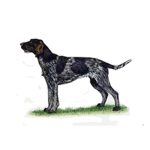
German Wirehaired Pointer – Breed Information, Traits & Complete Guide
The German Wirehaired Pointer stands out as an athletic, versatile companion for people seeking an intelligent and energetic dog. This breed is ideal for active owners with plenty of outdoor space and a love of exercise, thanks to its working roots and need for daily mental and physical activity. Whether you’re looking for a robust outdoor partner or a devoted family member, the German Wirehaired Pointer brings together loyalty, stamina, and a striking rugged appearance.
Originally bred for hunting and retrieving in the toughest weather and terrain, this gundog thrives in rural environments and large homes where it can stretch its legs. At home, these dogs demonstrate a gentle nature and affectionate loyalty, quickly bonding with their families and making reliable companions. The German Wirehaired Pointer’s versatility on the field is mirrored in its ability to fit into active households willing to meet its substantial needs.
- Overview of the German Wirehaired Pointer
- Key Characteristics
- Appearance of the German Wirehaired Pointer
- Temperament & Behavior
- Care & Living Needs
- Health & Common Issues
- Official Breed Standard Summary
- Frequently Asked Questions
Group: Gundog
Size: Large
Exercise needs: More than 2 hours per day
Coat length: Medium
Grooming: More than once a week
Shedding: Yes
Lifespan: Over 10 years
Ideal home type: Large house
Town or country: Country
Garden needs: Large garden
Overview of the German Wirehaired Pointer
The German Wirehaired Pointer represents a masterful blend of endurance and versatility, bred for demanding hunting tasks across varied terrains. Developed in 19th-century Germany from several wire-coated pointing breeds, these dogs are the rugged cousins of smoother-coated pointers. It is believed that the French Griffon may have influenced their sturdy build and wiry coats, enhancing their resistance to harsh weather and challenging brush.
Designed to be both a pointer and a retriever, the German Wirehaired Pointer excels in locating and bringing back game regardless of conditions. This breed’s stamina makes it an excellent partner for hunters, hikers, and outdoor enthusiasts who can share in its need for regular activity. In families, these pointers adapt as affectionate companions, forming strong bonds while actively participating in shared adventures and daily routines.
Those considering a German Wirehaired Pointer will find an indefatigable worker as well as a steadfast friend, but must be ready to provide structure, ample space, and plenty of time outdoors. Their natural drive and adaptable personality make them well-suited to active households who appreciate a robust and lively canine partner.
Key Characteristics
- Energy level – Exceptionally high; thrives on extended exercise and varied activities.
- Trainability – Intelligent and eager to please but requires firm and consistent guidance.
- Intelligence – Very smart, quick learner, and able to pick up new skills efficiently.
- Prey drive – Strong hunting instincts; being outdoors often prompts tracking and pointing behavior.
- Social needs – Bonds closely with family and prefers significant human interaction.
- Compatibility with families and children – Gentle and affectionate, generally good with respectful children.
- Compatibility with other dogs – Tends to get along well with other dogs when socialized properly.
- Guarding or watchdog tendencies – Alert and attentive; will warn of newcomers but is not typically aggressive.
- Adaptability to city or country life – Best suited to rural environments with space to roam.
- Best suited owner type – Active individuals, sportspeople, or families who enjoy outdoor pursuits.
- Typical daily routine – Requires vigorous daily exercise, mental challenges, and interactive time with family.
Appearance of the German Wirehaired Pointer
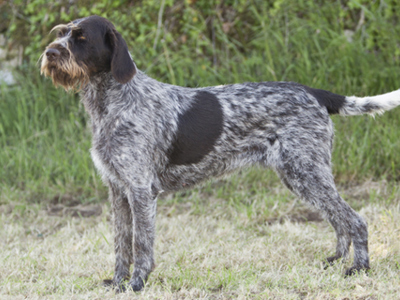
This breed presents a medium-to-large stature, standing at about 23½–26½ inches for males and 22–24½ inches for females, with a body that is slightly longer than it is tall. Their muscular frame and powerful presence convey readiness for the rugged demands of hunting and long days outdoors. The German Wirehaired Pointer’s silhouette is marked by a firm back, strong loins, and a deep, well-developed chest that emphasizes athleticism over bulk.
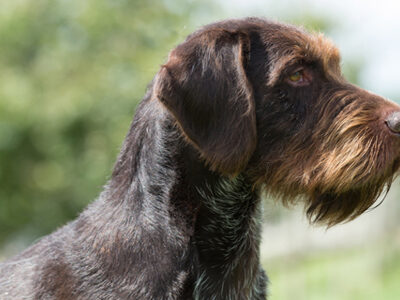
The hallmark feature is the distinctive harsh, bristly, wire-textured coat, which offers outstanding protection in rough weather and dense cover. The body hair reaches up to 1.5 inches in length, with a denser undercoat that becomes thicker in winter. The face sports thick eyebrows and a full beard, giving an expressive and robust look. On the head, the moderately broad skull and muzzle are balanced, and the strong jaws display a perfect scissor bite. Ears are medium-sized, set high, and when brought forward, should reach the corner of the lips.
Eye color ranges from hazel to darker shades, always oval and alert. Legs are straight, lean, and well-muscled to support the breed’s enduring gait, while feet are compact and well-padded for sure-footed movement. The tail continues the line of the back, carried straight or in a slight curve, and undocked tails reach the hocks. Accepted colors include liver and white, liver, black and white, and their ticked variations—solid black and tricolored coats are not favored according to the breed standard.
This combination of features creates a purposeful, rugged dog whose unique look echoes its function in the field and its adaptability as a sporting companion.
Temperament & Behavior
At home, the German Wirehaired Pointer is a gentle and affectionate presence, creating strong bonds with its people. Even-tempered and loyal, these dogs are renowned for their alertness and readiness to follow cues, making them eager yet sensible companions. Their overall temperament combines the dedication of a working dog with the warmth and patience needed in a family setting.
This breed’s gundog heritage emphasizes biddability and sound temperament. They are typically attentive to their handler and crave purposeful interaction, aligning with the traits seen in dogs bred to find and retrieve game. Their sociable nature means they enjoy being part of the family unit and benefit from inclusion in daily routines and outdoor adventures.
When properly socialized, the German Wirehaired Pointer gets along well with other dogs and children. Their intelligence and energy make them engaging playmates but also demand consistent boundaries. Owners should focus on regular training and engagement to prevent boredom-related mischief. While naturally vigilant, they are not typically aggressive and are content rebuffing unwanted visitors with a bark rather than force.
The combination of drive, loyalty, and gentleness makes this breed ideal for active households who appreciate an interactive, dedicated companion. Meeting their social and activity needs will unlock their highly rewarding personality.
Care & Living Needs for the German Wirehaired Pointer
The German Wirehaired Pointer is a high-energy breed that requires more than two hours of exercise each day. Long walks, running in open spaces, and participation in structured activities like field trials or agility will keep this dog happy and healthy. Opportunities to swim or retrieve also play into their natural talents and instincts.
An ideal home for the German Wirehaired Pointer is a large house set in the countryside or suburbia, complemented by a sizable garden where the dog can explore and burn off energy. Urban apartment living is generally unsuitable for this breed unless the owner can commit to substantial daily outings in expansive areas.
Grooming involves more than once-weekly brushing to manage their wiry, weather-resistant coat and control seasonal shedding. Regular attention to their rough coat, including eyebrows and beard, helps keep them tidy and comfortable. The coat itself is medium in length and designed to be functional rather than decorative, offering protection but not much insulation in extreme conditions.
Mental stimulation is just as important as physical activity for this intelligent breed. Engaging training sessions, scent games, and advanced obedience challenges are excellent outlets for their curiosity and sharp mind. High prey drive means recall and focus training are critical skills to develop early on.
This breed is not suitable for owners seeking a low-maintenance or sedentary companion. Those unable to provide space, daily exercise, and regular grooming may find the German Wirehaired Pointer demanding. Active, outdoorsy individuals and families who enjoy being involved in their dog’s activities will find much to appreciate in this energetic gundog.
Health & Common Issues
The available information does not specify particular health problems associated with the German Wirehaired Pointer. Like many robust, athletic breeds, general vigilance about health maintenance is prudent. Regular veterinary check-ups and scheduled vaccinations form the foundation of responsible care.
Owners can help their dog avoid potential issues by emphasizing weight control through a balanced diet and ensuring the dog is neither under- nor over-exercised. This is especially important for an active breed with a muscular build meant for strenuous tasks. Dental care, routine ear cleaning, and attention to coat and paw health are also sensible parts of an ongoing health routine.
Keeping a German Wirehaired Pointer mentally and physically engaged reduces the risk of stress-related behavior or weight gain. Early detection of any potential issues, thanks to routine check-ups, will allow for prompt intervention if needed. With attentive care, these dogs often live well over a decade, remaining spirited and healthy into their senior years.
Official Breed Standard Summary
The official breed standard describes the German Wirehaired Pointer as a medium-to-large, balanced hunting dog that should display overall soundness for the demands of work. The outline calls for a slightly longer body compared to the height at the shoulders, with powerful, well-muscled limbs and a deep chest that supports athletic activity. Absolute soundness is considered essential, valuing features that support the breed’s traditional functions in the field.
The coat, a defining trait, is harsh and weather-resistant, furnished with a dense undercoat in winter and moderately long facial furnishings such as eyebrows and a beard. Standard colors include liver and white, liver, black and white, and their ticked variants; solid black and tricolor markings are considered undesirable, and any unacceptable combinations are not rewarded in formal assessment.
Movement should be smooth and ground-covering, with no hackney action, and head features such as a moderately broad skull, alert oval eyes (hazel or darker), and strong jaw structure are all vital. Tail carriage continues the line of the back, reaching to the hocks if undocked and carried straight or slightly in sabre style.
The breed standard emphasizes the importance of avoiding extremes or exaggerations that could threaten health or soundness. It clarifies that size descriptions are a guide and individuals may vary outside the stated ranges. For male dogs, both testicles should be fully descended.
Frequently Asked Questions about the German Wirehaired Pointer
Is the German Wirehaired Pointer good for first-time dog owners?
This breed is best for experienced or very committed first-time owners willing to invest significant time in training, daily exercise, and regular grooming. Their intelligence and energy require structured routines and active lifestyles.
How much exercise does a German Wirehaired Pointer need daily?
The German Wirehaired Pointer requires more than two hours of vigorous exercise each day. Activities such as running, fetching, scent work, and swimming are ideal to satisfy both mental and physical needs.
Is the German Wirehaired Pointer good with children?
They typically form strong bonds with children and are gentle and affectionate in family environments. Supervision and teaching children respectful interaction are important, as with any large active breed.
Can the German Wirehaired Pointer live in an apartment?
This breed is not suited to apartment living. They thrive in homes with ample space and a large garden, preferably in the country or a spacious suburban area.
How much grooming does a German Wirehaired Pointer need?
Their wiry, weather-resistant coat requires brushing more than once a week to manage shedding and keep them tidy. Attention to facial hair and regular checks for debris after outdoor activity help maintain their rugged look.
Are there common health concerns in this breed?
No specific health conditions are outlined in the available information. Maintaining routine veterinary care and a healthy lifestyle supports a long and active life for this breed.


