
Pointer – Breed Information, Traits & Complete Guide
The Pointer is a striking and athletic dog breed admired for its combination of elegance, strength, and keen abilities in the field. Renowned for its unique stance when detecting scent, this breed is prized among hunting enthusiasts but is equally endearing as a family companion. Those seeking an energetic, devoted dog that thrives on human interaction and outdoor adventure often find the Pointer a perfect fit.


While the Pointer retains its sporting roots, its affectionate nature and versatility allow it to excel as a pet in active households. With a gentle disposition and expressive personality, the breed wins over families who can provide the space, exercise, and stimulation it needs. For those drawn to a dog that radiates both purpose and companionship, the Pointer offers a compelling blend of character and capability.
- Overview of the Pointer
- Key Characteristics
- Appearance of the Pointer
- Temperament & Behavior
- Care & Living Needs
- Health & Common Issues
- Official Breed Standard Summary
- Frequently Asked Questions
Group: Gundog
Size: Large
Exercise needs: More than 2 hours per day
Coat length: Short
Grooming: Once a week
Shedding: Yes
Lifespan: Over 12 years
Ideal home type: Large house
Town or country: Either
Garden needs: Large garden
Overview of the Pointer
The Pointer combines natural athleticism with grace and precision, setting the standard among scenting dogs for field work. Bred originally to cover vast tracts of land and pinpoint the location of game by pausing in a characteristic “point,” this breed rose to prominence among nobles and hunting enthusiasts in the 18th and 19th centuries. Its renowned stance and acute olfactory senses made it highly sought after as the most stylish and effective of the gundogs.
Suited best to active households or dedicated sportsmen, Pointers require both physical activity and mental engagement. Their roots as working dogs remain clear in their lively movement, high stamina, and eager demeanor. Yet the breed’s gentle, even-tempered personality ensures that it transitions smoothly to family life, so long as its exercise and social needs are met.
Whether serving as a companion in outdoor pursuits or as an energetic family member, Pointers need surroundings that allow for regular movement and meaningful interaction with their people. Their combination of style, athleticism, and amiable disposition positions them well for those prepared to provide a stimulating environment and plenty of companionship.
Key Characteristics
- Energy level – Exceptionally energetic, thriving on daily vigorous exercise and outdoor play.
- Trainability – Quick learners but benefit from consistent, patient training and positive reinforcement.
- Intelligence – Smart and observant, always eager to engage with tasks and puzzles.
- Prey drive – Has a strong natural instinct to point and pursue, especially outdoors.
- Social needs – Craves companionship and does best as an integral part of the family routine.
- Compatibility with families and children – Gentle and affectionate, well suited for families with respectful children.
- Compatibility with other dogs – Typically sociable with other dogs, especially when socialized from an early age.
- Guarding or watchdog tendencies – Not an instinctive guard dog, but alert and likely to signal unfamiliar visitors.
- Adaptability to city or country life – Adaptable to both town and country living if exercise and space requirements are met.
- Best suited owner type – Active individuals or families committed to providing ample exercise and attention.
- Typical daily routine – Several hours of exercise, interactive play, and opportunities to explore new scents and environments.
Appearance of the Pointer
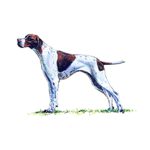
The Pointer is instantly recognizable by its well-toned, symmetrical body marked by flowing lines and a striking silhouette. This breed carries an air of strength blended with agility, characterized by a series of elegant curves throughout its physique. Males typically measure between 25 and 27 inches at the withers, while females range from 24 to 26 inches, all conveying a sense of lithe power rather than bulkiness.
The Pointer’s head is notably balanced, with a medium-broad skull and a slightly concave muzzle that helps raise the nose for optimal scent detection. Bright, expressive eyes—ranging from hazel to brown depending on coat color—convey a warm, intelligent nature. The ears are set high and lie close to the head, thin and gently pointed at the tips, lending a refined outline to the face.
The body is compact yet muscular, with well-sprung ribs and strong loins that support swift, ground-covering movement. A medium-length tail, thick at the base and tapering to a fine point, sits level with the back and lashes side to side in motion. Limbs are long, straight, and supplied with resilient muscle, contributing to the breed’s agile stride and stamina. Feet are neat and oval, with arched toes well cushioned for running.
The Pointer’s coat is fine, short, and close fitting, offering a glossy finish that highlights the breed’s well-developed physique. Colors include lemon and white, orange and white, liver and white, black and white, as well as solid self-colors and tricolors, giving considerable variety while maintaining a distinctive look. No matter the color, the Pointer’s appearance unmistakably blends athletic function with classic elegance.
Temperament & Behavior
Pointers are celebrated for their kind and even dispositions, making them excellent family companions. At home, they are affectionate and tend to form close bonds with their humans, offering affection and involvement in household activities. They’re often most content when right at the center of family life, thriving on positive attention and gentle handling.
This breed’s temperament is shaped by its sporting origins. Always alert and ready for action, the Pointer brings both enthusiasm and self-control, especially outdoors. When socialized properly from a young age, Pointers are friendly with other dogs and can coexist harmoniously with respectful children. Their non-aggressive outlook makes them more likely to welcome strangers than to guard property, though they will be quick to alert you to something out of the ordinary.
Pointers are naturally curious and respond well to kind, confident direction. High intelligence and trainability mean they pick up commands and house manners quickly, though success depends on patient, consistent training techniques. Left unstimulated, Pointers may become restless or distractible, but when given purpose, they excel both mentally and physically.
This dog’s energy and sociability make it ideal for families who lead active lifestyles and who wish to involve their pet in everything from walks to games and adventures. Owners should be ready for a dog that seeks both companionship and regular opportunities to channel its abilities—whether working in the field or playing in the backyard.
Care & Living Needs for the Pointer
The Pointer’s care routine revolves around its need for significant physical and mental activity. Daily exercise must exceed two hours, ideally involving running, scent games, and free-roaming play in secure areas. These dogs thrive in large homes with equally expansive gardens or access to open spaces, though they can adapt to both town and rural environments if these needs are reliably met.
Pointers have a fine, short coat that requires minimal upkeep. Weekly brushing usually suffices to keep their coat looking sleek, while the breed’s tendency to shed modestly makes them manageable for most households. Occasional baths and regular attention to nails, ears, and teeth will help keep them comfortable and healthy overall.
Alongside physical exercise, these dogs benefit greatly from engaging training and puzzle-based games. Their keen minds and acute senses respond well to positive, varied activities, such as scent work or obedience sessions. Consistency and praise are key—strong discipline is less effective and can undermine their trustful, gentle nature.
The Pointer is not the right choice for homes seeking a sedentary or independent pet, nor for owners unable to commit significant daily time to activity and play. Those with constrained living space or a preference for low-energy breeds may find the Pointer’s needs difficult to meet. For active owners, though, this breed contributes unmatched energy and joy to the household.
Health & Common Issues
Pointers typically enjoy a long, healthy life, with a lifespan often exceeding 12 years. Although no breed is completely without health considerations, there are no specific breed-wide health alerts noted. With attentive care, Pointers generally remain robust and active into their senior years.
Standard best practices apply: regular vet visits, maintaining a healthy weight, and providing a balanced diet all support longevity and quality of life. Their athletic build is best preserved with appropriate exercise, but overexertion in puppies or elderly dogs should be avoided to protect developing or aging joints.
Routine checks and basic grooming help prevent common dog-related issues such as ear discomfort or dental tartar. Owners who provide ample activity, regular health monitoring, and a stable routine generally enjoy many years with these steadfast companions.
Official Breed Standard Summary
The official breed standard establishes both the ideal appearance and temperament for the Pointer, emphasizing symmetry, strength, and a series of graceful curves across the entire form. Sizes range for males and females, but all should convey a sense of strength combined with agility. The Pointer’s head features a medium-wide, balanced skull, a slightly dish-shaped muzzle, wide nostrils, expressive eyes, and ears that sit high and lie close to the head. The tail tapers gently and lashes side to side during movement, reflecting the lively character of the breed.
The coat should be fine, short, hard, and perfectly smooth, shining with health. Acceptable colors include lemon and white, orange and white, liver and white, black and white, self-colors, and tricolors. Other color combinations are not considered acceptable. Movement is judged by a smooth, ground-covering stride that avoids exaggerated “hackney” action, with power driving from the hindquarters and keeping elbows close to the body.
An even, kind temperament is essential, as is freedom from any traits that might affect health, soundness, or the dog’s ability to perform traditional duties. Features that deviate from the breed’s specifications are regarded as faults in proportion to their impact. The standard serves as a guide for breeders and judges to preserve the breed’s distinctive qualities while protecting well-being.
Prospective owners should note that while the breed standard defines ideals in size and construction, individual dogs may naturally fall outside some measurements. The focus remains on health, temperament, and suitability for work rather than exact dimensions.
Frequently Asked Questions about the Pointer
Is the Pointer good for first-time dog owners?
The Pointer is best suited to active owners, ideally those with some experience in training or managing high-energy dogs. While their temperament is kind and even, their exercise and social needs require a strong commitment.
How much exercise does a Pointer need daily?
Pointers thrive on more than two hours of vigorous exercise each day. Activities should include walks, runs, play, and, when possible, opportunities to use their excellent scenting abilities outdoors.
Is the Pointer good with children?
Pointers are known for their gentle and tolerant nature, making them suitable companions for families with respectful children. Early socialization supports positive interactions with kids and guests.
Can the Pointer live in an apartment?
This breed is not ideal for small apartments due to its size and energy level. A large house with a garden or frequent access to open spaces is recommended to meet their needs.
How much grooming does a Pointer need?
The Pointer’s short, fine coat requires only weekly brushing to remove loose hair and maintain its sheen. They do shed, but their grooming routine is straightforward and manageable.
Are there common health concerns in this breed?
No specific breed-related health problems are widely recognized for the Pointer. With proper care, routine vet checks, and attention to diet and exercise, most Pointers remain healthy throughout their lives.


