
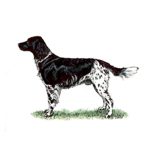
Large Munsterlander – Breed Information, Traits & Complete Guide
The Large Munsterlander is a robust and spirited gundog, perfectly suited for active households who appreciate an energetic canine companion. These dogs thrive in environments where exercise and outdoor activities are part of the daily routine, making them excellent fits for families who love hiking, long walks, or country living. Their intelligence and affectionate disposition mean they bond closely with their people while also excelling at a variety of working roles, both in the field and at home.
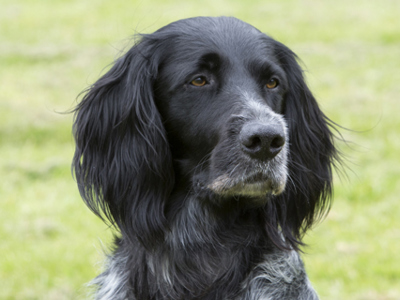
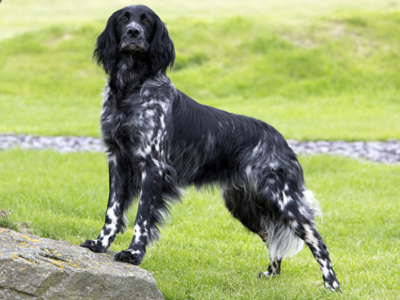
With their striking black and white coats and alert demeanor, Large Munsterlanders make an impression wherever they go. Although originally bred as versatile hunting dogs, they have seamlessly transitioned to being loyal family companions. Their adaptability between town and country life, combined with a loyal, trustworthy temperament, ensures they aren’t just hardworking sporting dogs but also devoted members of the family.
- Overview of the Large Munsterlander
- Key Characteristics
- Appearance of the Large Munsterlander
- Temperament & Behavior
- Care & Living Needs
- Health & Common Issues
- Official Breed Standard Summary
- Frequently Asked Questions
Group: Gundog
Size: Large
Exercise needs: More than 2 hours per day
Coat length: Medium
Grooming: More than once a week
Shedding: Yes
Lifespan: Over 10 years
Ideal home type: Large house
Town or country: Either
Garden needs: Large garden
Overview of the Large Munsterlander
The Large Munsterlander traces its roots back to Germany, sharing ancestry with the German Long Haired Pointer. Carefully selected breeding over the years established the breed’s iconic black and white coloring, which has become one of its most recognizable traits. Developed as an all-purpose gundog, the Large Munsterlander was bred to be as proficient in the field as in the water, demonstrating athleticism, strong scenting abilities, and a willingness to work in diverse environments.
This breed is exceptionally versatile, making it popular among hunters and country dwellers. At the same time, its affectionate and loyal nature has made it an increasingly loved family dog. Their intelligence and keen work ethic mean they’re happiest with active owners who can provide both structure and plenty of opportunities for exercise and engagement.
The Large Munsterlander is best suited to households that can accommodate its energy levels and working instincts. Whether serving as a companion to an avid outdoor enthusiast or as a loyal pet in a family with a spacious garden, this breed combines utility with companionship in a way that few others do.
Key Characteristics
- Energy level – Exceptionally high; thrives on daily, vigorous outdoor activity and needs ample space to roam and play.
- Trainability – Eager to learn and responsive; benefits from positive reinforcement and consistent guidance.
- Intelligence – Highly intelligent, often excelling in various tasks including hunting, retrieving, and advanced obedience.
- Prey drive – Strong, stemming from its gundog heritage; may show significant interest in wildlife or small animals.
- Social needs – Enjoys companionship, forming close bonds with people and often getting along well with other dogs.
- Compatibility with families and children – Loyal and affectionate; typically gentle and reliable with children under supervision.
- Compatibility with other dogs – Generally sociable and agreeable with other dogs, especially when socialized early.
- Guarding or watchdog tendencies – Alert and attentive, but not overly suspicious or aggressive; can serve as a gentle watchdog.
- Adaptability to city or country life – Flexible, but thrives best with plenty of space and access to large outdoor areas.
- Best suited owner type – Ideal for active, committed owners who can provide significant exercise, training, and engagement.
- Typical daily routine – Involves many hours of exercise, training, exploration, and interactive play.
Appearance of the Large Munsterlander
The Large Munsterlander is a powerful, athletic breed with a well-proportioned, muscular frame. Standing between 60–65 cm for males and 58–63 cm for females at the shoulder, these dogs present a slightly rectangular outline, often appearing slightly longer than they are tall. The breed’s stance and movement convey agility and boldness, giving a clear sense of stamina and grace.
One of the standout features of the Large Munsterlander is its striking coat. The hair is long and dense, never curly or coarse. Well-feathered legs and a plumed tail add to the breed’s elegant look, while the head is covered with short, sleek hair that contrasts with the longer fur elsewhere. Typical color patterns include a solid black head, sometimes with a white blaze, and bodies that are white or blue roan, marked with patches or ticking. The recognized color combinations are Black & Blue Roan, Black & White, and White & Black.
The facial structure is elongated but balanced, with a broad, slightly rounded skull, strong jaw, and notable black nose. The medium-sized, dark brown eyes have an intelligent, alert expression, and the broad, flat-lying ears are well-furnished with hair, lending both function and charm. The tail is typically set in line with the back and may be carried horizontally or gently curved upward, always feathered and expressive.
The feet are compact and rounded, with well-padded soles and dense hair between the toes, providing resilience and traction across different terrains. Overall, the Large Munsterlander encapsulates a blend of rugged working dog and poised companion, capable of turning heads both in the field and at home.
Temperament & Behavior
The Large Munsterlander is renowned for its loyal, affectionate, and trustworthy disposition. These dogs form deep bonds with their human families, thriving on interaction and involvement in daily activities. They are naturally eager to please, making them amenable companions for families, couples, or individuals who are willing to spend time engaged with their dog.
At home, the breed tends to be calm and receptive, but it is vital to remember their working roots. They flourish when given a “job” or purpose, whether that’s retrieving, searching, or participating in dog sports. With children, they are known for their gentle and reliable nature, though supervision is always prudent, as with any large, energetic dog.
This breed’s history as a gundog means a high prey drive and a love for hunting games, which can translate to an interest in chasing small animals if not managed. Socialization from a young age ensures that the Large Munsterlander remains friendly and appropriate with other dogs and pets. They are generally welcoming to visitors, more prone to alert their owners with a bark than show undue aggression.
Ideal companions for active people, Large Munsterlanders relish the companionship of their families and do best in households where they are included in regular outings and adventures. They enjoy new challenges, making them adaptable and well-suited to dynamic, outdoor lifestyles.
Care & Living Needs for the Large Munsterlander
The Large Munsterlander has significant exercise requirements, needing more than two hours of active movement each day. Daily walks, runs, or off-leash play in a safe environment are key to keeping them physically and mentally satisfied. As versatile working dogs, they also benefit greatly from activities that stimulate their minds, such as scentwork, advanced training games, or participation in sports.
A large house with a spacious, secure garden is ideal for this breed. While they can adapt to town or country living, access to the outdoors and ample room to explore are vital. Active families who can involve their dog in daily adventures will find the Large Munsterlander a joyful, engaged companion.
Grooming needs for this breed are moderate to high. Their medium, dense coat requires brushing more than once a week to prevent tangles, remove debris, and control shedding. Special attention should be given to their feathered legs and tail, especially after outdoor excursions. Regular checks for mats and routine ear cleaning help maintain their coat and overall hygiene.
Training should start early and use positive reinforcement methods. This intelligent breed responds well to structure and consistency, and boredom can quickly set in if their busy minds are not engaged. For first-time owners, the breed’s energy level and need for stimulation can present challenges, so commitment and the willingness to learn together with your dog are important.
The Large Munsterlander is generally not suitable for owners looking for a low-maintenance, sedentary pet or for those who live in small apartments without access to large outdoor spaces. They thrive where they can be a true member of the household, included in daily life and adventures.
Health & Common Issues
The dataset does not specify particular health concerns for the Large Munsterlander. Generally, these dogs benefit from robust constitutions thanks to generations of breeding for stamina, resilience, and versatility. Regular veterinary visits, a balanced diet, and plenty of exercise go a long way toward ensuring lasting health and happiness.
Owners should follow all typical canine care best practices, such as routine teeth cleaning, weight management, and annual health checks, as part of their dog’s ongoing wellness plan. Keeping an eye on ear hygiene is also important due to their long feathered ears, which can be more prone to accumulating dirt after outdoor adventures.
Balanced exercise is key; too little physical activity can lead to pent-up energy and behavioral issues, while excessive impact exercise in growing puppies should be avoided. As with most large breeds, maintaining an ideal weight helps keep joints healthy as the dog matures.
Official Breed Standard Summary
The official breed standard for the Large Munsterlander sets out clear expectations about the breed’s appearance, temperament, and functionality. It emphasizes an alert, energetic dog with sound, well-proportioned movement and an overall balanced build. The standard underlines that absolute soundness and physical health are essential, with breeders avoiding any exaggerations that might compromise welfare or workability.
Typical physical traits include a firm, slightly elongated body, well-muscled legs and loins, and a broad, expressive head with friendly, intelligent eyes. The coat should be long and dense but never curly or coarse, with obvious feathering on the tail and legs. Recognized coat colors focus on black and white combinations, with solid black heads and a body marked by patches, roaning, or flecking. Sizes vary modestly, with males standing roughly 23½–25½ inches tall and females a touch smaller.
The breed’s gait is free and springy, indicative of its athletic prowess. Faults in physical structure or temperament are discouraged, especially if they detract from the dog’s ability to perform its traditional gundog roles. The standard notes that some variation in size is permissible and that males should have normally developed testicles.
Judges and breeders are guided to reward traits that promote sound function, enduring health, and classic breed character, ensuring the Large Munsterlander remains fit for both companionship and work for generations to come.
Frequently Asked Questions about the Large Munsterlander
Is the Large Munsterlander good for first-time dog owners?
The breed’s high energy and strong working instincts can be challenging for first-time dog owners. However, committed individuals willing to invest time in training, exercise, and engagement can find the Large Munsterlander a rewarding companion.
How much exercise does a Large Munsterlander need daily?
Large Munsterlanders require more than two hours of active exercise each day. This includes long walks, off-leash play, and mentally stimulating activities to keep them satisfied and happy.
Is the Large Munsterlander good with children?
The breed is typically loyal and trustworthy around children, making them well-suited to family life. As with all large, energetic dogs, supervised interaction with young children is important to ensure safe and positive experiences.
Can the Large Munsterlander live in an apartment?
While adaptable, the Large Munsterlander is not ideal for apartment living due to its size, energy levels, and need for space. They thrive best in homes with large gardens or access to open areas.
How much grooming does a Large Munsterlander need?
This breed’s medium, dense coat requires brushing more than once a week to keep it clean and manageable. Extra attention is needed after outdoor activities to prevent mats and remove debris from the feathered areas.
Are there common health concerns in this breed?
No specific health issues are noted in the available information. General best practices such as routine veterinary care, weight management, and regular grooming help keep the Large Munsterlander healthy throughout its life.


