
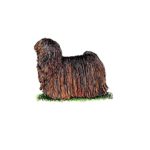
What Are the Traits and Care Tips for the Hungarian Puli Breed?
The Hungarian Puli stands out as one of the most recognizable and unique breeds, famous for its striking, corded coat and natural agility. Originally bred for herding livestock, this medium-sized dog is equally at home managing sheep in the countryside or providing companionship and laughter to families in smaller urban settings. The Puli appeals to active individuals, experienced owners, and anyone intrigued by a breed that combines intelligence, energy, and a one-of-a-kind appearance.
With its origins rooted in the traditions of Hungarian pastoral life, the Puli carries a lineage shaped by utility, loyalty, and adaptability. This breed offers a lively personality, quick wit, and an inherent drive to keep busy—traits that make it ideal for households prepared to engage with their dog both mentally and physically. Whether as a working companion or beloved family pet, the Hungarian Puli provides loyalty and spirit in equal measure.
- Overview of the Hungarian Puli
- Key Characteristics
- Appearance of the Hungarian Puli
- Temperament & Behavior
- Care & Living Needs
- Health & Common Issues
- Official Breed Standard Summary
- Frequently Asked Questions
Group: Pastoral
Size: Medium
Exercise needs: Up to 1 hour per day
Coat length: Long
Grooming: More than once a week
Shedding: No
Lifespan: Over 12 years
Ideal home type: Small house
Town or country: Either
Garden needs: Small/ medium garden
Overview of the Hungarian Puli
The Hungarian Puli traces its heritage to the ancient herding dogs that accompanied the Magyars on their westward journey from the Far East into Hungary. Developed over centuries, the Puli became highly valued for its ability to deftly move flocks—sometimes even darting across the backs of tightly packed sheep. Its intelligence, energy, and compact build below that iconic coat made it supremely fit for tending livestock in challenging conditions.
Adaptability has always been one of the Puli’s great assets. Originally bred for demanding rural work, this breed has shown a remarkable ability to embrace the lifestyle and routines of either city or country households. The breed’s distinctive corded coat was designed for function, providing protection and insulation whether outdoors on the Hungarian plains or curled up at home. Thanks to their manageable size, Pulik are suitable for small houses, provided their exercise and mental needs are met.
Owners who value a quick-witted and loyal companion will find much to love in the Hungarian Puli. The breed thrives in homes where interaction, playful challenges, and physical activity are part of daily life. Families, confident singles, and those interested in dog sports or working roles will all find the Puli’s enthusiasm and devotion rewarding.
Key Characteristics
- Energy level – Naturally lively and active; enjoys regular play, walking, and mental challenges.
- Trainability – Highly intelligent and eager to learn, though may display independent thinking if bored or under-stimulated.
- Intelligence – Extremely clever, especially in problem-solving and quick to absorb new commands.
- Prey drive – Moderate, with a strong herding instinct that can express itself in chasing or rounding up both animals and people.
- Social needs – Enjoys the company of family members and benefits from positive interactions with people and other pets.
- Compatibility with families and children – Generally affectionate and protective, making a good choice for families, especially when socialized early.
- Compatibility with other dogs – Can get along well with canine companions, particularly if introduced when young.
- Guarding or watchdog tendencies – Naturally wary of strangers and often alert, which can make for a dependable watchdog.
- Adaptability to city or country life – Equally comfortable in rural and urban environments given sufficient mental and physical stimulation.
- Best suited owner type – Active individuals or families who can devote time to exercise, training, and grooming routines.
- Typical daily routine – Benefits from daily walks or playtime, regular training sessions, and time spent with the family.
Appearance of the Hungarian Puli
The Hungarian Puli presents a compact, sturdy silhouette enhanced by its extraordinary coat. Underneath the mop-like appearance, the dog is squarely built, muscular, and surprisingly agile, giving it a wiry and athletic presence. Its proportions allow for quick, nimble movement, traits that were highly prized in livestock management.
The head is fine and relatively small, accented by a slightly domed skull and a short, rounded muzzle. When viewed from the front, the head appears round, while from the side it takes on an elliptical shape. Eyes are medium-sized, dark brown, and convey a lively, inquisitive expression. The ears are pendant and V-shaped, set slightly below the skull, typically blending unnoticed among the long hair.
Pulik are perhaps best known for their dense, profuse corded coat, which naturally develops as a fusion between top and undercoat. The cords—never matted or neglected—protect the dog from extreme weather and are longest on the hindquarters, shortest on the head and feet. While black is the most common coloration, all solid variants including fawn, grey, and white are recognized, with only small patches of white on the chest or feet permissible. Males generally stand 16-17½ inches tall and weigh 29-33 lbs, while females measure 14½-16 inches and weigh in at 22-28½ lbs.
Key physical traits include a neck set at a 45-degree angle, tight-shouldered and muscular forequarters, a short, broad loin, and a medium-length, tightly curled tail that blends into the rump’s coat. The overall impression is of a dog built for utility, speed, and remarkable resilience.
Temperament & Behavior
The Hungarian Puli is defined by its lively spirit and sharp mind. Bred as a herding dog, it remains both active and alert, eager for mental and physical challenges. At home, this breed offers a cheerful presence, loyal to its family and forming strong attachments with all household members.
Strangers are typically met with wariness, though the Puli does not display nervousness or unprovoked aggression. Instead, their natural vigilance and curiosity keep them on guard, making them responsive watchdogs. Socialization from an early age encourages well-rounded behavior and helps curb excessive shyness or suspicion toward unfamiliar guests.
Pulik often get along well with children, especially when brought up together, and can integrate smoothly with other dogs, thanks to their herding background. They are happiest in environments where they are involved in activities—be it canine sports, outdoor adventures, or simply interactive play sessions at home.
As members of the Pastoral Group, they share traits with other traditional herders: intelligence, strong instincts, and a preference for routine. Owners should be prepared to dedicate time not just for physical exercise, but also for training and puzzle-solving games that stimulate their quick thinking. Without these outlets, the breed can become bored or develop stubborn habits, so a proactive approach to engagement is key.
Care & Living Needs for the Hungarian Puli
The Hungarian Puli requires up to an hour of exercise per day to stay content and healthy. This can include brisk walks, games in a small to medium garden, or activities that channel their intellect and herding instincts. Their adaptability extends to their living environment—be it a small house in an urban setting or a home with ample country land—so long as their needs for interaction and physical activity are met.
One of the most distinctive aspects of Puli care is grooming. The famous corded coat needs attention more than once a week to keep it clean and free from unwanted matting or felting. While the breed does not shed in the conventional sense, the cords must be carefully separated and maintained to preserve their health and appearance. Owners should avoid both neglect and over-brushing, as a combed-out or matted coat is equally undesirable. Keeping feet and facial areas tidy can help the dog see and move comfortably.
Mental stimulation is critical given the Puli’s intelligence. Consistent, positive training sessions and problem-solving games ensure they stay mentally sharp and happy. Early socialization is important to prevent wariness from developing into excessive shyness. This breed is not ideal for those who lack time for daily interaction, exercise, and grooming, or for owners unwilling to commit to the unique care demands of the corded coat.
If you have a schedule that is often too busy for daily play and engagement, or prefer a hands-off grooming routine, it may be worth considering a less demanding breed. For those ready to embrace the Puli’s care needs, the result is a vibrant, resilient companion full of character.
Health & Common Issues
The Hungarian Puli is generally a robust breed, known for a healthy lifespan of over 12 years when properly cared for. While the breed standard and current resources do not pinpoint specific hereditary issues, owners should be mindful of the general health maintenance practices suitable for all active, medium-sized dogs.
Maintaining a healthy weight and ensuring regular, moderate exercise can support joint health throughout the dog’s life. Dental care, routine veterinary check-ups, and a balanced diet are essential elements that help minimize preventable concerns.
The iconic corded coat deserves special mention in health discussions. Good grooming habits prevent skin irritations and potential infections. Regular attention to the feet and ears—areas sometimes hidden by long hair—can help owners catch minor issues before they develop. As with any breed, early attention and proactive care will help ensure the Puli enjoys a long, active, and happy life.
Official Breed Standard Summary
The official breed standard for the Hungarian Puli sets forth guidelines describing the ideal physical traits, movement, and temperament for the breed. Soundness—both physical and mental—is paramount, with breeders and judges urged to avoid characteristics that may compromise the health or welfare of the dog. The breed standard highlights the Puli’s sturdy, muscular build, square proportion, and its hallmark long, profuse corded coat that can reach floor-length in some individuals.
Acceptable color variants are solid: black, fawn, grey, or white, with a small white patch on the forechest and a few white hairs on the feet as the only exceptions. The coat should have a natural corded texture, expertly maintained—not matted, neglected, nor brushed out flat. Males typically measure 16-17½ inches at the withers and weigh 29-33 lbs, while bitches are slightly smaller (14½-16 inches, 22-28½ lbs).
Attention is also given to details such as the shape of the head, ear set, and overall carriage. The breed should move with agility and ease, reflecting its history as a nimble herder. Any deviations from the standard—such as incorrect coat care or exaggerated features—are considered faults, especially if they negatively affect function or welfare.
It’s important for prospective owners to understand that the breed standard offers an ideal guideline rather than an absolute rule for every dog. Each Puli may vary naturally in size and proportions while still exemplifying the hallmark qualities of the breed.
Frequently Asked Questions about the Hungarian Puli
Is the Hungarian Puli good for first-time dog owners?
The Puli can be a rewarding companion but does best with owners prepared for active daily involvement and a regular grooming routine. Those new to dogs should be ready to dedicate time to training, exercise, and especially coat care.
How much exercise does a Hungarian Puli need daily?
This breed needs up to an hour of exercise each day. Activities should include walks, play, and mind-stimulating exercises to keep them physically fit and mentally content.
Is the Hungarian Puli good with children?
When well-socialized, the Puli is typically affectionate and playful with children. Supervised interaction is always advisable and helps foster a positive bond.
Can the Hungarian Puli live in an apartment?
The Puli can adapt to apartment living as long as it receives enough exercise and mental stimulation. Space-saving homes work if the dog’s needs for movement and engagement are consistently met.
How much grooming does a Hungarian Puli need?
Regular grooming is required, with thorough attention more than once a week. The unique corded coat must be maintained carefully to avoid matting and preserve its distinct structure.
Are there common health concerns in this breed?
The Hungarian Puli is generally healthy and robust, with no specific issues highlighted in the breed’s information. Regular veterinary care, weight management, and responsible grooming support overall wellbeing.


