
What Are the Traits and Care Tips for Jack Russell Terriers?
The Jack Russell Terrier is a spirited, compact companion known for its lively character and unwavering confidence. Designed originally as a working terrier, this breed thrives in active households and brings a sense of adventure to any family. While loving and loyal, the Jack Russell is not for those seeking a lazy lapdog; it needs engagement, play, and space to express its natural instincts.
Active individuals, country dwellers, or those with access to a small garden will find the Jack Russell Terrier’s zest for life a constant source of joy. With its keen intelligence and friendly nature, this dog seamlessly fits into busy lifestyles, excelling as a family companion, watchdog, or even a playful partner for outdoor activities.
- Overview of the Jack Russell Terrier
- Key Characteristics
- Appearance of the Jack Russell Terrier
- Temperament & Behavior
- Care & Living Needs
- Health & Common Issues
- Official Breed Standard Summary
- Frequently Asked Questions
Group: Terrier
Size: Small
Exercise needs: Up to 1 hour per day
Coat length: Short
Grooming: Once a week
Shedding: Yes
Lifespan: Over 10 years
Ideal home type: Flat/ Apartment
Town or country: Country
Garden needs: Small/ medium garden
Overview of the Jack Russell Terrier
The Jack Russell Terrier’s history stretches from the British Isles to Australia, where it evolved from a seasoned working terrier into a beloved companion and show dog. Originally bred to control vermin on farms, this breed traveled with emigrants to Australia and demonstrated its prowess as a tenacious hunter and loyal farmhand. Over time, the Jack Russell’s reputation for bravery and utility caught the attention of dog enthusiasts around the world.
In Australia, the breed was formalized and gained popularity in the show ring, reflecting a slightly different type from its British counterparts. The British standard sought to maintain the breed’s core traits—small stature, sturdy build, and energetic personality—while drawing on influences from both the original British club and the emerging Australian and European standards.
These origins make the Jack Russell Terrier an ideal choice for active owners who appreciate a confident, working dog with boundless energy. Whether in the countryside chasing squirrels, in a suburban home with playtime in the garden, or even in city apartments (if daily exercise is assured), this breed brings devotion, drive, and a hint of mischief into any setting.
Key Characteristics
- Energy level – Exceptionally high, requiring daily physical activity and interactive play.
- Trainability – Intelligent and quick-witted, though sometimes stubborn and independent-minded.
- Intelligence – Highly alert and curious, consistently seeking new challenges or games.
- Prey drive – Very strong, thanks to their terrier heritage; known to chase small animals.
- Social needs – Enjoys family interaction and does best with plenty of attention and involvement in household activities.
- Compatibility with families and children – Generally friendly and affectionate, especially with respectful children who can match their energy.
- Compatibility with other dogs – Social with proper introduction, but may assert dominance or display feistiness, especially towards unfamiliar dogs.
- Guarding or watchdog tendencies – Excellent natural watchdog, alerting to newcomers with enthusiasm.
- Adaptability to city or country life – Adaptable, but truly happy with some outdoor space; thrives in the country but can adjust to apartment living if exercised well.
- Best suited owner type – Active individuals or families with time and willingness to provide mental and physical stimulation.
- Typical daily routine – Includes active walks, play sessions, mentally stimulating games, and plenty of family time.
Appearance of the Jack Russell Terrier
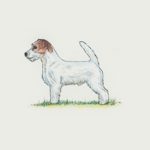
The Jack Russell Terrier delivers an unmistakable impression of energy and agility. Compact and slightly longer than it is tall, the breed exemplifies a sturdy yet lithe build, with a flexible body adapted for both above- and below-ground work. Adult Jack Russells typically stand between 10 to 12 inches (25–30 cm) at the shoulder, with substance and weight proportionate to their lively physique.
Distinct facial features include a flat and moderately wide skull, tapering down to a strong, slightly shorter muzzle that ends in a black nose. Keen, almond-shaped dark eyes impart intelligence, framed by tight-fitting black pigmented rims. Button or dropped ears sit close to the skull, always alert and communicating the terrier’s emotional state. A well-formed jaw with a correct scissor bite adds to their determined expression.
The breed’s body is defined by a level back, strong muscular loins, and a chest that’s deep yet oval rather than wide. The ribcage is well-sprung yet flattening at the sides, allowing the girth behind the elbows to be spanned by two hands. Sturdy, straight forelegs and powerful hindquarters reflect a dog built for drive and quick movement, while the round to oval feet provide robust support.
Jack Russells may have smooth, broken, or rough coats, all of which are weatherproof and designed for practicality rather than excessive grooming. Their primary color is white, typically accompanied by black and/or tan markings, with tan hues ranging from light to chestnut. Any other color or combination is considered outside the preferred standard. The tail, when undocked, is set high and carried upright in motion, completing the alert and athletic silhouette.
Temperament & Behavior
Jack Russell Terriers are notorious for their fearless and bold demeanor. They exude confidence, combining a friendly attitude with a spirited zest for life. A true terrier at heart, the Jack Russell tackles every activity—from playtime to problem-solving—with enthusiasm and noticeable intelligence.
Within the home, these dogs are affectionate, forming strong bonds with their people and displaying particular fondness for those willing to invest time in games and physical activity. Their history as vermin hunters means they will alert you to visitors without hesitation, serving as reliable watchdogs without undue aggression. Children often find a playful companion in the Jack Russell, though, given their energetic tendencies, respectful handling and supervision are always recommended.
Interactions with other dogs can vary. While sociable when raised and introduced properly, Jack Russells are independent and may show assertive tendencies, especially around dogs of the same gender. Their strong prey drive urges them to chase small furry animals, so secure outdoor areas and mindful management are a must.
The breed’s long-standing ties to working life have made it especially suited for owners who appreciate a dog that’s both a companion and a little powerhouse. They excel at dog sports, enjoy mental challenges, and quickly bore if left unstimulated. Consistent boundaries, positive reinforcement, and a sense of humor make for a harmonious life with this dynamic breed.
Care & Living Needs for the Jack Russell Terrier
The Jack Russell Terrier is a breed that thrives on daily action and interactive play. A minimum of up to an hour’s exercise daily is recommended, encompassing walks, active games, and time outdoors. Whether playing fetch in a medium-sized garden or joining you on countryside hikes, a Jack Russell’s physical and mental energy needs to be channeled into constructive outlets.
This breed adapts well to apartments or flats as long as their activity needs are met, but they’re most fulfilled in homes with access to a small or medium garden. While they’re robust and relish country life, city dwellers who commit to routine exercise and enrichment can provide a happy home. Their size and moderate garden needs also make them suitable for smaller homes, provided they are not left bored or under-exercised.
Grooming requirements for the Jack Russell Terrier are refreshingly easy. With a short coat that may be smooth, broken, or rough, a thorough brushing once a week generally suffices, along with seasonal attention during times of heavier shedding. Regular brushing helps minimize loose hair and keeps their weatherproof coat in good shape.
Mental stimulation is just as crucial as physical activity. Puzzle toys, scent games, basic obedience, and trick training keep their intelligent minds engaged. Quick learners by nature, Jack Russells respond well to positive, consistent training—but potential owners should be aware that their independent streak mandates patience and creativity.
This breed is best avoided by those seeking a low-maintenance, sedentary pet. While they are small in size and charming in personality, their boisterous nature and need for engagement mean they do not suit households where the dog would be frequently left alone or unstimulated.
Health & Common Issues
The dataset does not specify particular health concerns for the Jack Russell Terrier. As with any breed, regular veterinary checkups are essential to maintaining overall health and catching any potential issues early.
The robust nature of the Jack Russell Terrier means they often enjoy active, long lives when provided with balanced exercise, nutritious meals, and consistent preventative care. Owners should monitor weight, dental health, and keep up with routine vaccinations and parasite control.
Proper breeding practices, a nutritious diet, and regular checkups help reduce risks of joint concerns or age-related conditions as these energetic dogs mature. Maintaining an appropriate weight through diet and exercise is particularly important to support healthy joints and prolong their active years.
Official Breed Standard Summary
The official breed standard for the Jack Russell Terrier provides a clear vision of what makes this breed unique and functional. The ideal Jack Russell is strong, lively, and agile, embodying a blend of stamina and flexibility necessary for an effective working terrier. Physical soundness and temperament are essential, with an emphasis on avoiding exaggerations or features detrimental to the dog’s wellbeing.
The breed’s appearance is characterized by a rectangular shape—slightly longer than tall—with a level, muscular back and strong loins. The chest is deep and narrow, allowing the dog to maneuver efficiently both above and below ground. White is the predominant coat color, accompanied by black and/or tan markings. A typical Jack Russell stands between 10 and 12 inches at the shoulder, with substance balanced to ensure neither coarseness nor refinement.
Coats may be smooth, broken, or rough, but all must be weatherproof, requiring no excessive trimming. Movement should be free and unexaggerated, highlighting the breed’s historical versatility. Faults or undesirable features are measured by their impact on health, function, and adherence to the breed’s purpose. Males should have two normal testicles fully descended.
Prospective puppy buyers are reminded that the breed standard describes an ideal; individual Jack Russells may vary in size or slight appearance. Ultimately, soundness and suitability for the breed’s traditional work take precedence, ensuring that every Jack Russell Terrier retains its essential spirit and athletic prowess.
Frequently Asked Questions about the Jack Russell Terrier
Is the Jack Russell Terrier good for first-time dog owners?
The Jack Russell Terrier can make a great companion for first-time owners who are active, patient, and committed to training and daily exercise. Their intelligence and energy require time and engagement.
How much exercise does a Jack Russell Terrier need daily?
This breed benefits from up to an hour of exercise each day, mixing walks, play, and mental stimulation. Busy, athletic households are a strong match for their energetic temperament.
Is the Jack Russell Terrier good with children?
Jack Russells are generally friendly with children, especially when raised together and when the children treat them kindly and respect their boundaries. Supervision is always recommended with very young kids due to the breed’s lively nature.
Can the Jack Russell Terrier live in an apartment?
Jack Russell Terriers can adapt to apartment living if they receive sufficient daily exercise and mental stimulation. Access to a garden is helpful, but not essential with a dedicated owner.
How much grooming does a Jack Russell Terrier need?
This breed requires minimal grooming; brushing once a week is typically enough to keep their short, weatherproof coat healthy. The coat does shed, so routine care helps manage loose hair.
Are there common health concerns in this breed?
No specific health concerns are listed for the breed in the current information. Routine veterinary care, exercise, and a balanced diet are important for long-term health and wellbeing.


