
What Are the Traits and Care Requirements of the Irish Terrier?
The Irish Terrier is a spirited, eye-catching dog with a reputation for courage, loyalty, and distinctive good looks. Ideal for active households who appreciate a companion full of personality, this breed excels as both a family pet and a vigilant watchdog. The Irish Terrier’s dynamic energy makes it appealing to experienced dog owners and those ready to embrace an adventurous, loving companion.
With roots as a versatile working dog in Ireland, the Irish Terrier stands out not just for its bright red coat, but also its determination and intelligence. Whether living in a cozy home with a small garden or exploring the countryside, the breed’s adaptability and affectionate demeanor create a rewarding partnership for owners who can match its zest for life and provide meaningful engagement.
- Overview of the Irish Terrier
- Key Characteristics
- Appearance of the Irish Terrier
- Temperament & Behavior
- Care & Living Needs
- Health & Common Issues
- Official Breed Standard Summary
- Frequently Asked Questions
Group: Terrier
Size: Small
Exercise needs: Up to 1 hour per day
Coat length: Medium
Grooming: More than once a week
Shedding: Yes
Lifespan: Over 12 years
Ideal home type: Small house
Town or country: Either
Garden needs: Small/ medium garden
Overview of the Irish Terrier
The Irish Terrier is among Ireland’s oldest native terrier breeds, recognized for its striking red coat and distinctive character. It was first formally showcased around 1870 and quickly gained popularity for its versatility and confidence. Originally bred for hunting and controlling vermin both above and below ground, the Irish Terrier is a testament to the enduring value of both beauty and function in a single breed.
This breed’s characteristic fiery hue is the product of dedicated, selective breeding. Early Irish Terriers came in various colors, but a legendary bitch named Poppy, famed for her vivid red coat, helped cement red as the breed’s signature through her descendants. Today, the Irish Terrier is celebrated not only for its appearance but also for its spirited and fearless approach to life, reflecting a long heritage as a working companion.
Owners drawn to the Irish Terrier typically appreciate its loyalty, intelligence, and liveliness. The breed adapts well to various environments, thriving in both urban and rural settings provided its exercise and companionship needs are met. With the right family or individual, the Irish Terrier excels as a companion, playmate, and devoted guardian.
Key Characteristics
- Energy level – High energy and enthusiasm; this breed requires daily outlets for physical activity and play.
- Trainability – Intelligent and willing to learn, though some individuals may display an independent streak.
- Intelligence – Observant and quick-thinking, the Irish Terrier solves problems and enjoys mental stimulation.
- Prey drive – Bred to pursue vermin, this breed retains a strong instinct to chase small animals.
- Social needs – Deeply devoted to its family, the breed desires close interaction and engagement with people.
- Compatibility with families and children – Generally good with children, forming protective and affectionate bonds when socialized appropriately.
- Compatibility with other dogs – May be quick to assert themselves around unfamiliar dogs, though usually manageable with proper socialization.
- Guarding or watchdog tendencies – Naturally alert and ready to sound the alarm, making for a vigilant home companion.
- Adaptability to city or country life – Comfortable in either setting with sufficient exercise opportunities and a safe, enclosed garden.
- Best suited owner type – Ideal for active, attentive owners who appreciate a dog with character and stamina.
- Typical daily routine – Requires regular walks, interactive play, and time spent with family members.
Appearance of the Irish Terrier
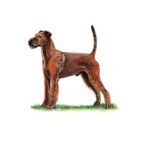
The Irish Terrier’s silhouette strikes a balance between elegance and athleticism. With a streamlined, racy build, this breed is neither heavy nor cobby, instead giving an impression of agility and readiness. Males ideally stand about 19 inches (48 cm) tall and females at 18 inches (46 cm), making them an accessible size for many households.
The breed’s head is long and sleek, crowned with flat, narrow skulls and a strong, well-muscled jawline. The eyes are dark and relatively small, lending an alert, intelligent expression. Ears are distinctively small, V-shaped, and set high, folding forward close to the cheeks with shorter, darker hair than the body. Strong, even teeth meet in a precise scissor bite, and the lips and nose are almost black in color.
Irish Terriers display deep, muscular chests and moderately long, straight backs. Limbs are strong and straight, with dense, crisp hair covering the legs. The feet are compact and round, with arched toes and typically black nails. The tail is set high and, whether docked or left natural, should never curl over the back but is always carried with enthusiasm. Coat texture is one of the breed’s hallmarks: harsh, wiry, and flat with a broken appearance. This not only showcases the breed’s outline but also provides protection from the elements. Accepted colors include various shades of red, from wheat-red to rust, with minimal white on the chest being permissible but white on feet or black shading being undesirable.
Temperament & Behavior
Irish Terriers are well known for their exuberant spirit and unflagging loyalty. Often described as fearless, they possess a kind of bold courage paired with a heedless, lively pluck that sets them apart. Devotion to their families is a defining characteristic, making these dogs trustworthy companions and constant friends around the home.
At home, the Irish Terrier generally displays a good-natured temperament towards people, showing warmth and affection to both adults and children. However, the breed is quick to defend itself around other dogs and may show assertiveness if provoked, reflecting its historical role in vermin control and independent tasks.
As quintessential terriers, Irish Terriers combine their friendly nature toward humans with keen instincts for exploration and protection. Their vigilance and tendency to raise an alert make them effective watchdogs. Given their bravery and tenacity, owners can expect a dog that faces the world with enthusiasm and a bit of mischief, seeking both companionship and adventure.
Consistent leadership and early socialization help channel the breed’s assertiveness in productive ways. Positive, engaging interactions foster harmony in multi-pet households and ensure the Irish Terrier thrives as both a sociable companion and spirited guardian.
Care & Living Needs for the Irish Terrier
Maintaining a happy and healthy Irish Terrier centers on meeting its physical and mental exercise needs. These dogs require up to an hour of active time daily, which can include walking, play, and agility or obedience games. A small house with a secure, small to medium garden is usually sufficient, although urban or rural settings can both work well if the dog’s energy is well managed.
Grooming should be a regular routine, as the Irish Terrier’s medium-length, wiry coat needs attention more than once a week to prevent mats and maintain its distinct texture. While this breed does shed, consistent brushing and occasional hand-stripping help keep the coat in good condition and minimize unwanted hair in the home.
Mental stimulation is equally important for this intelligent breed. Incorporating interactive toys, scent-based games, and regular training sessions helps satisfy its curiosity and channels its energy into positive behaviors. Early socialization with other pets and people is key, as is providing boundaries and structure.
Prospective owners who travel frequently or have limited time for daily engagement may find the breed’s need for interaction and exercise challenging. The Irish Terrier is best suited for those who enjoy an active lifestyle and are willing to put in consistent time for training and companionship.
Health & Common Issues
Irish Terriers are generally robust and can enjoy a lifespan of over 12 years when provided with attentive care. Regular veterinary check-ups ensure that health issues are detected early and managed appropriately. Keeping your dog at a healthy weight and providing routine dental care offer meaningful protection against preventable issues.
Supporting joint health through appropriate exercise—neither excessive nor insufficient—and monitoring the condition of teeth, skin, and coat are good practices for maintaining overall well-being. While the dataset does not indicate any specific recurring health difficulties, attentive daily routines, balanced nutrition, and having a close relationship with your veterinarian will support a healthy life for your Irish Terrier.
Official Breed Standard Summary
The official breed standard for the Irish Terrier provides a detailed blueprint for the ideal dog, outlining requirements for appearance, temperament, and function. Absolute soundness is a high priority, with a focus on traits that support the breed’s active nature and overall well-being. Features or exaggerations that may affect health or comfort are to be avoided, and every trait should harmonize for an athletic, versatile companion.
An Irish Terrier should display a racy, graceful build—free from heaviness, yet substantial and strong. Signature colors include shades of red or wheaten-red with only minimal white on the chest allowed. The coat is characteristically harsh and wiry, lying flat to the body and emphasizing the breed’s clean outline. Ideal size ranges around 19 inches (dogs) and 18 inches (bitches), though some variation in individual dogs is normal.
Movement should be direct and purposeful, highlighting the breed’s energetic, straightforward gait. Faults are weighed by their effect on health and function, and any clearly undesirable characteristics may result in exclusion from competition. A final note highlights that a breed standard serves as a guide rather than an absolute measurement for all individuals.
Frequently Asked Questions about the Irish Terrier
Is the Irish Terrier good for first-time dog owners?
The Irish Terrier is energetic and independent, requiring consistent training and daily engagement. Those new to dog ownership can succeed with this breed if they are committed to learning and being active with their companion.
How much exercise does a Irish Terrier need daily?
This breed needs up to one hour of exercise each day, incorporating walks, play, and mental challenges. Regular activity keeps the Irish Terrier healthy and happy, helping to prevent boredom and behavioral issues.
Is the Irish Terrier good with children?
Irish Terriers are known for their loyalty and tend to bond closely with family members, including children. Supervision and positive early introductions help ensure a smooth relationship.
Can the Irish Terrier live in an apartment?
While the Irish Terrier is adaptable, apartment living is feasible only if its exercise and mental stimulation needs are fully met. Access to safe outdoor spaces or a nearby park is essential.
How much grooming does a Irish Terrier need?
The breed has a wiry, medium-length coat that requires grooming more than once a week. Occasional hand-stripping and regular brushing are important to maintain coat health and manage shedding.
Are there common health concerns in this breed?
No specific health concerns are highlighted in the breed dataset; however, regular vet visits, weight management, and attentive daily care are important for promoting long-term health in your Irish Terrier.


