
What Are the Traits and Care Tips for the Glen of Imaal Terrier?
The Glen Of Imaal Terrier is an endearing yet robust small dog, bred with both a tenacious spirit and a wonderful sense of calm. Originally developed in Ireland for hunting badgers, this breed combines the plucky instincts of a working terrier with the adaptability and devotion needed for modern family life. With their substantial bodies, unique coat, and gentle disposition at home, Glens offer a distinctive companion for those seeking a lesser-known but highly rewarding breed.
Ideal for people who appreciate an active but manageable terrier, the Glen Of Imaal Terrier thrives in small houses with a bit of garden space and responds well to regular exercise and affection. Their loyal temperament and manageable grooming needs make them suitable for committed dog owners looking for a breed with character, history, and a heart to match its stature.
- Overview of the Glen Of Imaal Terrier
- Key Characteristics
- Appearance of the Glen Of Imaal Terrier
- Temperament & Behavior
- Care & Living Needs
- Health & Common Issues
- Official Breed Standard Summary
- Frequently Asked Questions
Group: Terrier
Size: Small
Exercise needs: Up to 1 hour per day
Coat length: Medium
Grooming: More than once a week
Shedding: No
Lifespan: Over 10 years
Ideal home type: Small house
Town or country: Country
Garden needs: Small/ medium garden
Overview of the Glen Of Imaal Terrier
The Glen Of Imaal Terrier hails from the remote glen in County Wicklow, Ireland, where this breed played a prominent role as a skilled badger hunter centuries ago. Its history sets it apart from other terriers: bred for both stamina and silence, Glens had to prove their courage and working ability in challenging environments. These dogs were valued not only for their earthdog talents but also for their companionship qualities in the Irish countryside.
By the 20th century, breed recognition solidified the Glen’s place among Ireland’s cherished native terriers. Until the mid-1960s in Ireland, Glens had to earn a working certificate—evidence of their gameness and readiness before gaining the title of Champion. This practical history continues to shape the Glen’s reputation as a terrier with purpose and heart. Their connection to other Irish breeds, such as the Soft Coated Wheaten, Kerry, and Irish Terriers, provides a glimpse into the rich canine heritage of the region.
Today, the Glen Of Imaal Terrier is ideal for those seeking a breed that combines loyalty and activity in a manageable package. Whether as a devoted companion in a country setting or as an energetic family dog with a unique story, Glens make rewarding pets for owners who appreciate character, courage, and heritage.
Key Characteristics
- Energy level – Lively yet balanced; appreciates daily activity but is not hyperactive.
- Trainability – Intelligent and eager to please, responds well to consistent, positive training.
- Intelligence – Quick to learn, especially when mental stimulation is combined with physical tasks.
- Prey drive – Strong working instincts, especially toward small wildlife due to their hunting history.
- Social needs – Enjoys companionship but comfortable with periods of independence.
- Compatibility with families and children – Generally affectionate and gentle, making them a good choice for families.
- Compatibility with other dogs – Can live harmoniously with other dogs if socialized from an early age.
- Guarding or watchdog tendencies – Alert and protective, though not overly aggressive.
- Adaptability to city or country life – Suited best to country environments but can adapt to suburban or small-house living with a garden.
- Best suited owner type – Committed individuals or families seeking a rare, adaptable terrier with a gentle side.
- Typical daily routine – Enjoys a walk or playtime, some interaction, and a relaxed evening indoors.
Appearance of the Glen Of Imaal Terrier
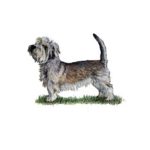
The Glen Of Imaal Terrier is a sturdy, medium-sized terrier with a notable “low-to-the-ground” build, which reflects its working origins. Proportioned with a body that is longer than it is tall, the Glen presents an impression of substance and strength relative to its size. Their maximum height at the shoulder is around 14 inches, emphasizing their compact but substantial presence.
This breed’s head is broad with a defined stop and a powerful foreface, tapering gradually toward a black nose. The eyes are brown, round, and set well apart, giving the dog a friendly yet alert expression. Small rose or half-pricked ears are carried back when relaxed but perk up when alert, reinforcing the breed’s expressive nature.
The Glen’s coat is of medium length with a harsh, weather-resistant texture and a soft undercoat. This coat may be tidied for neatness but never overly trimmed. Typical colors include blue, brindle, and all shades of wheaten, rejecting any other color combinations as undesirable. The breed’s gait is free and effortless, with good drive from the hindquarters and a topline that rises slightly toward a strong loin.
Feet are compact and robust, slightly turned out at the front, while the tail is set strong at the root and carried gaily, whether docked or undocked. Overall, the Glen’s appearance is one of gentle ruggedness, reflecting both its working heritage and companionable personality.
Temperament & Behavior
The Glen Of Imaal Terrier combines game, spirited tenacity with gentleness and calm, a blend rarely found in working terriers. While its courage was historically tested in the field, at home this breed reveals a notably docile nature, affectionate with trusted family members and quick to form strong bonds.
Interaction with adults and children alike is typically positive, as Glens display patience and gentleness when not challenged. They are inclined to be respectful and bond closely with their primary caretakers, managing both independent stretches and periods of active play. This breed is especially suited to families seeking a companion with both spirit and self-control.
Glens’ heritage as silent earthdogs explains their reserved barking; while alert enough for watchdog duties, unnecessary noise is not common. They may be cautious with unfamiliar dogs due to their strong terrier instincts, but proper socialization allows most Glens to integrate well in multi-dog households.
Owners will appreciate the breed’s agility, adaptability, and the fact that, despite their working background, Glens do not possess the relentless willfulness sometimes associated with terriers. Instead, their even temperament, coupled with their alertness, means they fit comfortably in both active and relaxed home environments.
Care & Living Needs for the Glen Of Imaal Terrier
Glen Of Imaal Terriers are best suited to homes where they can enjoy up to an hour of exercise each day. Walks, interactive play, or moderate adventures in a secure yard will keep them healthy, both physically and mentally. This level of activity supports their robust, “can-do” attitude without demanding excessive time from owners.
They are adaptable to small houses, especially if a small to medium-sized garden is available. While country environments allow them to thrive, Glens can adapt to suburban living as long as their need for daily stimulation is met. As a non-shedding breed with a medium-length coat, Glens require grooming more than once a week to keep their harsh outer coat and soft undercoat clean and tidy. Regular brushing helps prevent matting and maintains their distinctive outline; occasional hand-stripping may be beneficial for show dogs.
Mental challenge is as important as physical activity. Training sessions that use positive reinforcement are rewarding and help channel their intelligence and working instincts. Puzzle toys, search games, and obedience training fit the breed’s history well and prevent potential boredom-based behaviors.
This breed is well-suited for owners and families who want a unique, manageable terrier with both energy and composure. Those looking for a very low-maintenance pet, long periods of isolation, or a breed with no desire for outdoor engagement may not find the Glen their best match.
Health & Common Issues
With no specific health issues highlighted, the Glen Of Imaal Terrier is generally considered a sturdy and resilient breed. Their robust build and moderate exercise requirements contribute to overall well-being, provided daily activity and an appropriate diet are maintained.
The breed’s medium length double-coat does not tend to shed heavily. Regular grooming serves not only appearance but also helps check for skin issues and maintain healthy coats. Routine dental care—such as brushing and vet dental checks—will help support strong teeth and gums.
Like all breeds, annual veterinary appointments are recommended to monitor joints, eyesight, and general health, especially as the Glen ages beyond its ten-year lifespan. Keeping them at a healthy weight, offering joint-friendly exercise, and providing mental stimulation will help prevent typical age-related challenges.
Official Breed Standard Summary
The official breed standard outlines the Glen Of Imaal Terrier as a medium-sized dog of impressive substance relative to its compact stature. This standard ensures that both physical and temperamental traits align with the breed’s historic functions and welfare. Key points stress a body longer than its height, moderate musculature, and a weather-resistant double coat.
The breed standard lists acceptable colors as blue, brindle, or any shade of wheaten, with all other colors or combinations considered unacceptable. Movement should be free and efficient, with the Glen covering ground effortlessly and showing good drive from the rear.
The standard values coat that is harsh in texture and of medium length, consisting of a softer undercoat. Over-grooming is discouraged; neatness is preferred. Certain faults are recognized as departures from the ideal, with their seriousness measured by their impact on health and capability.
When considering size and proportion, it is noteworthy that these are guides to the ideal and not strict cutoffs; some variation in size is natural. Male dogs should have two fully descended testicles. The standard is a tool for breeders and judges to keep the Glen of Imaal Terrier fit for function, sound in movement, and true to its heritage.
Frequently Asked Questions about the Glen Of Imaal Terrier
Is the Glen Of Imaal Terrier good for first-time dog owners?
This breed’s manageable size, moderate exercise needs, and balanced temperament make it a reasonable choice for dedicated first-time owners willing to invest in training and socialization. Their intelligence and willingness to learn often make the experience enjoyable for newcomers.
How much exercise does a Glen Of Imaal Terrier need daily?
Glens do best with up to one hour of exercise each day. Walks, play sessions in a secure garden, and mental stimulation will keep them content and healthy without overwhelming owners with demanding routines.
Is the Glen Of Imaal Terrier good with children?
Generally, Glen Of Imaal Terriers are gentle and affectionate, making them well-suited for family environments with children. As with all breeds, supervision and teaching children to respect the dog’s space are important for ideal interactions.
Can the Glen Of Imaal Terrier live in an apartment?
While best suited to homes with a small garden, Glens can adapt to apartment life if their daily exercise and mental stimulation needs are consistently met. Access to nearby parks or green spaces is recommended.
How much grooming does a Glen Of Imaal Terrier need?
This breed’s medium-length, harsh coat requires brushing more than once a week to prevent matting and maintain its structure. Regular attention also helps keep their low-shedding coat in peak condition.
Are there common health concerns in this breed?
No specific health issues are singled out for the Glen Of Imaal Terrier. Routine care through regular vet visits, a balanced diet, and suitable exercise are the best habits for supporting a long, healthy life.


