
What Are the Traits and Care Tips for the Keeshond Breed?
The Keeshond is a medium-sized, affectionate companion dog with a striking appearance and a long history as a trusty watchdog and devoted family member. Well-known for its plush, fox-like features and impressive ruff, the Keeshond brings joy and loyalty into homes that value sociable, intelligent pets with a dash of independence. Its adaptable personality is a fit for urban and suburban households alike, making it a wonderful choice for those seeking a furry friend that won’t mind a smaller home environment.
This breed shines as both a lively companion and an alert household guardian, quick to bond with family and eager to participate in daily life. Prospective owners drawn to dogs with expressive faces, plush coats, and a readiness to alert their loved ones to any changes will find the Keeshond an excellent match. From leisurely strolls to focused watchdog duties, these dogs excel at balancing fun-loving energy with a keen sense of responsibility.
- Overview of the Keeshond
- Key Characteristics
- Appearance of the Keeshond
- Temperament & Behavior
- Care & Living Needs
- Health & Common Issues
- Official Breed Standard Summary
- Frequently Asked Questions
Group: Utility
Size: Medium
Exercise needs: Up to 1 hour per day
Coat length: Medium
Grooming: Every day
Shedding: Yes
Lifespan: Over 10 years
Ideal home type: Small house
Town or country: Either
Garden needs: Small/ medium garden
Overview of the Keeshond
The Keeshond is rooted in Dutch history, celebrated for its role as a watchdog on barges plying the canals of Holland. Distinctively marked and quick to notice any disturbance, the breed earned the nickname “Dutch Barge Dog.” Its ties to the political landscape of 18th-century Netherlands, especially as a beloved pet of a patriot leader, explain its unique name—Keeshond, or “Kees’s dog.”
After a period when their numbers dwindled due to changing political allegiances, a devoted group of enthusiasts worked together to rescue and revitalize the Keeshond, resulting in the breed’s enduring popularity, especially across the UK and continental Europe. Their ease of adaptation from life on boats to bustling homes highlights their versatile nature and suitability for a broad range of dog lovers.
Keeshonds today are admired both as cheerful companions and for their historic vigilance. They adapt readily to life with active singles, couples, or families, thriving best in environments where they are involved in daily routines and can keep a friendly eye on their humans.
Key Characteristics
- Energy level – Moderate; happiest with daily walks or playtime lasting up to an hour each day.
- Trainability – Intelligent and responsive, though sometimes independent-minded, making patient, consistent training key.
- Intelligence – Highly aware and quick to pick up new routines, skills, and cues.
- Prey drive – Typically low, but alert enough to notice wildlife and quick movements.
- Social needs – Strong need for companionship; prefers being part of family activities rather than left alone.
- Compatibility with families and children – Friendly and affectionate, makes a loving choice for households with children.
- Compatibility with other dogs – Usually gets along well with other dogs, especially if socialized early.
- Guarding or watchdog tendencies – Naturally vigilant; excels as a non-aggressive alert dog that lets owners know when visitors arrive.
- Adaptability to city or country life – Equally comfortable in urban, suburban, or rural settings as long as attention and activity needs are met.
- Best suited owner type – Individuals or families who enjoy grooming routines and appreciate a dog that thrives on attention and involvement.
- Typical daily routine – Enjoys walks, interactive play, training exercises, and lots of time spent with people.
Appearance of the Keeshond
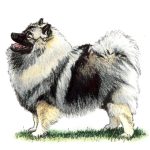
The Keeshond stands out for its short, compact physique and distinct fox-like features. Its confident carriage is complemented by a large, expressive ruff and a tail that arches gracefully over the back in a tight curl, often forming a desirable double curl. There is a clear difference between males and females, with each sex displaying its own unique build without ever appearing coarse or weak.
The head is wedge-shaped, boasting a dark muzzle that matches the length of the flat skull and features a well-defined stop. Their dark, almond-shaped eyes are set obliquely, and black lines around their eyes create the characteristic “spectacle” markings, enhanced by expressive eyebrows. Small, ivy-leaf-shaped ears are set high and carried erect, giving the Keeshond its famous alert appearance. Strong jaws meet in a perfect scissor bite and the black nose completes the striking look.
This breed’s dense, harsh, and straight coat forms an impressive mane around the neck and is especially plush over the shoulders and trousers on the hind legs. The Keeshond’s undercoat is pale grey or cream, while the outer layer is a blend of greys and blacks, with body hairs tipped in black and well-defined shoulder markings. Ideally, males stand about 18 inches (46 cm) tall, and females slightly smaller at 17 inches (43 cm). The tail features a light plume with a black tip, carried tightly at all times for that classic silhouette.
Keeshonds’ feet are rounded and cat-like, with black nails and cream-colored paw pads, rounding out the balanced proportions and overall alert look of this striking utility dog.
Temperament & Behavior
The Keeshond’s temperament is defined by confidence, cheerfulness, and a strong sense of alertness. Originally bred to serve as watchdogs, these dogs are consistently quick to notice new arrivals or unusual happenings, making them reliable sentinels without displaying unwarranted aggression.
At home, Keeshonds form strong bonds with their families, displaying a friendly and affectionate nature to adults, children, and guests they trust. Their intelligent, sturdy, and adaptable disposition helps them fit seamlessly into a variety of modern lifestyles. While always ready to sound the alarm when something is amiss, they are equally content to curl up at the feet of their human companions at the end of the day.
The Keeshond’s group classification speaks to its origins as a versatile, fit-for-purpose breed. These dogs excel in their role as companion animals, often showing a mischievous twinkle in their eyes and a willingness to participate in household routines. They tend to get along well with other dogs and household pets, provided introductions are done sensitively and socialization starts early. Owners should be prepared for their watchdog nature, which sometimes leads to enthusiastic vocalizations when new guests arrive.
The key challenge for some owners is meeting the Keeshond’s social needs and ensuring they do not become bored or lonely, as this can lead to undesirable behaviors. With consistent engagement, a well-exercised Keeshond is a pleasure to live with, demonstrating the adaptability and ideal companion qualities their breed is known for.
Care & Living Needs for the Keeshond
Keeshonds require up to an hour of daily exercise, making them a fantastic choice for owners who enjoy walks, interactive play, or gentle jogs. They are well-suited to small homes, such as apartments or townhouses, as long as they have access to a secure small or medium garden for fresh air and safe exploration. Their sociable temperament means they thrive in homes where people are often present and able to involve them in daily activities.
Grooming is a daily necessity due to the breed’s abundant, medium-length coat. Regular brushing keeps their plush fur free from tangles and excess shed, especially during seasonal coat changes. Their dense, double-layered coat both protects against the elements and can trap loose hair, so a consistent grooming routine is key to keeping both dog and home comfortable. Owners should pay extra attention to the ruff, trousers, and feathered areas, while trimming feet and pasterns as needed to maintain a tidy appearance.
Keeshonds are social and intelligent, so they benefit greatly from mental stimulation through training, puzzle toys, and new experiences. Their willingness to learn and participate in family routines should be encouraged with firm yet gentle training techniques, using positive rewards and patience. Early socialization helps ensure they remain friendly and stable around new people and pets alike.
This breed is not ideal for those seeking a low-maintenance dog or those who are gone for extended periods most days. Keeshonds may develop unwanted habits if deprived of company or mental engagement. Those averse to daily grooming or looking for a non-shedding pet may want to consider another breed, as the Keeshond’s signature coat is best suited for owners who appreciate its beauty and are happy to dedicate time to its upkeep.
Health & Common Issues
Keeshonds, like most breeds, can thrive for over ten years with appropriate care and regular veterinary attention. The data provided does not specify particular hereditary health problems unique to the breed, but general dog health maintenance is still highly recommended.
Potential owners should look after the usual aspects of canine health, such as regular dental care, keeping a healthy body weight, and ensuring the dog receives suitable forms of exercise in line with its age and energy level. Their plush double coats mean owners should check the skin regularly for any irritations or hidden debris, especially after country walks or during the shedding season.
Routine veterinary check-ups, balanced nutrition, and consistent grooming are key building blocks for long-term wellbeing in the Keeshond. As always, reputable breeders prioritize healthy lines, and responsible ownership goes a long way in keeping these friendly watchdogs healthy and happy for many years.
Official Breed Standard Summary
The official breed standard for the Keeshond lays out a clear picture of ideal type, function, and temperament, acting as a guideline for responsible breeding and judging. Soundness in structure and movement is paramount, with the aim of creating a well-balanced, robust, and alert companion that is always fit for function and free of health-damaging exaggerations.
Key traits include a short and compact body, with an unmistakable fox-like expression highlighted by the breed’s signature “spectacle” eye markings. The coat is described as harsh, off-standing, and straight with a soft, pale undercoat, while the outer coat displays an appealing mix of grey, silver grey, and black. Trimming to alter the dog’s natural outline is not encouraged, with the exception of feet and pasterns for tidiness.
The ideal male stands at 46 cm (18 inches) at the withers, with females measuring 43 cm (17 inches), although these sizes serve as guidance rather than a strict rule for all individuals. Movement should be brisk and sharp, reflecting the alert, sturdy nature of the breed. The double-curl tail and clear difference in appearance between males and females add to the breed’s charm.
Aspects considered faults in the standard are weighed according to how much they affect health or wellbeing. The breed standard aims to preserve the breed’s original qualities and ensure that the Keeshond remains a sound, functional, and healthy dog in modern homes.
Frequently Asked Questions about the Keeshond
Is the Keeshond good for first-time dog owners?
The Keeshond is often a rewarding choice for those new to dogs, thanks to its friendly temperament and eagerness to be part of the family. As long as owners are comfortable committing to daily grooming and regular interaction, this breed can be a delightful introduction to dog ownership.
How much exercise does a Keeshond need daily?
This breed is content with up to an hour of exercise each day, such as walks, playtime, and interactive activities. Maintaining a good balance between physical activity and mental challenges helps keep the Keeshond healthy and happy.
Is the Keeshond good with children?
Keeshonds are known for their affectionate and friendly nature, making them excellent companions for families with children. Their patient disposition and social instincts mean they typically thrive in active households.
Can the Keeshond live in an apartment?
Yes, the Keeshond adapts well to apartment living, provided its exercise and companionship needs are met. Access to a small or medium-sized garden is beneficial but not strictly required if the dog receives regular walks and attention.
How much grooming does a Keeshond need?
Daily brushing is needed to maintain the Keeshond’s medium-length, double coat. Regular grooming helps control shedding and keeps the coat healthy and free of matting, especially in the ruff and undercoat.
Are there common health concerns in this breed?
There are no specific health issues highlighted for the Keeshond, but like all breeds, regular check-ups and good preventive care are essential. Paying attention to dental hygiene, skin, and weight will support the breed’s overall wellbeing.


