
What Are the Traits and Care Requirements of the Kooikerhondje Breed?
The Kooikerhondje is a small, lively companion with an intriguing history and a heartwarming presence, ideal for those seeking a unique breed that blends agility, loyalty, and a touch of Dutch heritage. This breed suits active individuals and families, as well as those who appreciate a dog that enjoys both work and leisure. Known for its alert personality and affectionate nature, the Kooikerhondje adapts well to various lifestyle settings while maintaining its charming, slightly reserved demeanor with newcomers.
Whether you live in a small house with a modest garden or have a more spacious setting, the Kooikerhondje fits comfortably into many homes that can meet its daily exercise and social needs. This breed brings together an old-world working legacy with modern companionship, making it a strong candidate for those who value intelligence, versatility, and a medium-grooming commitment.
- Overview of the Kooikerhondje
- Key Characteristics
- Appearance of the Kooikerhondje
- Temperament & Behavior
- Care & Living Needs
- Health & Common Issues
- Official Breed Standard Summary
- Frequently Asked Questions
Group: Utility
Size: Small
Exercise needs: Up to 1 hour per day
Coat length: Medium
Grooming: More than once a week
Shedding: Yes
Lifespan: Over 12 years
Ideal home type: Small house
Town or country: Either
Garden needs: Small/ medium garden
Overview of the Kooikerhondje
The Kooikerhondje, originating from the Netherlands, has an interesting past as a skilled decoy dog for duck hunting. These clever canines would work alongside hunters, using their striking white-plumed tails to attract and lure ducks toward strategically placed nets along waterways. The breed’s distinct red and white colors are sometimes linked to the Royal House of Orange, and Dutch lore even celebrates a Kooiker that once saved Prince William of Orange by sounding an alarm when danger approached.
Though initially placed in the Gundog group due to its roots in waterfowl hunting, the Kooikerhondje was moved to the Utility group. Unlike traditional gun dogs, this breed was not bred to retrieve shot game but rather to perform its unique role in the process of capturing ducks. Its working legacy is paired with a deeply loyal, people-oriented temperament that makes it equally at home as a companion.
This breed is ideal for individuals and families who appreciate an energetic, intelligent, and moderate-sized dog with a beautiful coat and expressive personality. Whether in the city or countryside, the Kooikerhondje’s manageable size and adaptable nature make it a good fit for different living arrangements, provided its physical and mental needs are met.
Key Characteristics
- Energy level – Naturally lively and agile, the Kooikerhondje benefits from daily exercise and interactive play.
- Trainability – Highly intelligent and eager to please, this breed responds well to consistent, positive training.
- Intelligence – Quick to learn new tasks, making them versatile in both working and companion roles.
- Prey drive – Retains a moderate hunting instinct due to its original purpose as a duck decoy dog.
- Social needs – Enjoys time with family members and thrives on regular social interaction.
- Compatibility with families and children – Gentle and friendly around familiar people, adaptable with respectful children.
- Compatibility with other dogs – Generally sociable with other dogs, especially with proper socialization from a young age.
- Guarding or watchdog tendencies – Naturally alert and will act as an early warning without being excessive or noisy.
- Adaptability to city or country life – Happy in both urban and rural environments, as long as it receives attention and space to exercise.
- Best suited owner type – Active families, couples, or individuals who can dedicate time to daily activity and engagement.
- Typical daily routine – Benefits from walks, purposeful play, interactive games, and short training sessions each day.
Appearance of the Kooikerhondje
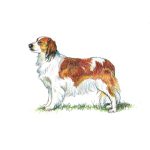
The Kooikerhondje is best described as a small, almost square-bodied dog with an air of elegance and athleticism. Its body length from shoulder to hip is just slightly longer than its height, resulting in a well-balanced and pleasing profile. The breed’s head is carried proudly, with a moderately curved skull and a clearly defined stop. Both the skull and the slightly wedge-shaped muzzle are of equal length, framed by medium-sized pendant ears set just above eye level. These ears, adorned with characteristic black tips known as “ear rings,” develop as the dog ages and are a unique hallmark of the breed.
Kooikerhondjes display deep brown, almond-shaped eyes surrounded by orange-red fur, giving them a warm and alert expression. Tight, well-pigmented lips and a black nose contribute to a clean, refined look. Their mouths are strong, featuring a classic scissor bite that reflects the breed’s overall soundness and suitability for varied tasks.
The tail is one of the breed’s standout features: set in line with the croup, it is well feathered and ends in a white plume. It’s carried at or slightly above the level of the back, never curled. The coat itself is medium in length, close-fitting, and can be slightly wavy or straight but never curly. Hair on the head and front of the legs is short, while moderate feathering is seen on the tail, underline, and backs of the legs. Well-developed undercoat provides some weatherproofing, and typical breed colors include combinations of red & white, white & orange, and white with red.
With males standing 14½–16½ inches (37–42 cm) at the withers and females a touch smaller, the Kooikerhondje remains a manageable size for most homes. Compact, slightly oval feet, strong yet not bulky body proportions, and fluid, springy movement complete the breed’s athletic look. The impression is of a fit, balanced, and energetic companion ready for both activity and relaxation.
Temperament & Behavior
The Kooikerhondje is celebrated for its lively, good-natured, and self-confident temperament. At home, these dogs are alert but not excitable, offering a pleasing combination of loyalty and quiet vigilance. They are known to form strong bonds with their families, displaying affection and an easy-going attitude around those they know well. Yet, with strangers, they may hold back and observe, showing a level of reserve rather than outright suspicion or shyness.
This breed comes from the diverse Utility group, a category that encompasses various breeds selected for roles outside traditional sporting or working lines. The Kooikerhondje’s purpose as a hunting decoy dog has left it with a strong sense of stamina and perseverance, yet it transitions smoothly into modern life as a loving household member. Its friendly nature and keen sense of its surroundings make it attentive without being overly vocal.
As companions, Kooikerhondjes handle changes in their environment well if introduced gradually and given guidance. Positive interaction with other dogs and polite children typically comes naturally, especially when socialized from an early age. These dogs prize routine, enjoy a sense of belonging, and thrive when included in daily family activities.
Despite their many strengths, Kooikerhondjes may sometimes show sensitivity in unfamiliar situations or with forceful handling. Calm, patient, and supportive owners are rewarded with a loyal, attentive companion eager to share in both work and relaxation. For families looking for a breed that offers character, cleverness, and manageable size, the Kooikerhondje is a truly rewarding choice.
Care & Living Needs for the Kooikerhondje
The daily requirements of the Kooikerhondje reflect its origins as a working dog: at least an hour of purposeful activity—such as walks, fetch, or agility games—is important for their happiness and health. This breed manages well in a small house with access to a small or medium garden, though it also enjoys exploring larger spaces when possible. Flexibility in living locale, whether town or country, makes this breed appealing to a broad range of owners.
Grooming is a routine part of Kooikerhondje care, with brushing needed more than once a week due to the medium-length coat. The breed does shed, so regular grooming helps minimize loose hair and keeps the coat in prime condition. Special attention should be given to the well-feathered tail and undercoat, which may require extra attention during seasonal changes. Shorter hair on the head and front legs needs only minimal maintenance.
Mental stimulation is key for this clever, responsive breed. Kooikerhondjes excel with positive reinforcement training and love interactive toys, puzzles, or any activity where they can learn and use their intelligence. While adaptable, they may not be the best choice for those with little time for daily exercise, play, or training. Households seeking a low-maintenance, low-energy pet or those unable to commit to regular grooming might find other breeds more suitable.
Those happy to invest in their dog’s physical and mental well-being will be rewarded with a companion that shines both in the home and during activities. Providing structure, clear communication, and meaningful interaction will bring out the best in the Kooikerhondje.
Health & Common Issues
The Kooikerhondje is known for generally robust health and a life expectancy that often exceeds 12 years. While the dataset does not specify common health conditions in the breed, ongoing attention to basic canine health is crucial for every owner. Routine veterinary checkups, regular vaccinations, dental care, and parasite prevention help ensure long-term well-being.
Balanced nutrition, exercise, and weight management are important, especially as small breeds can be prone to weight gain if overindulged or under-exercised. As with any breed, careful monitoring of joint health, oral hygiene, and coat condition contributes to a higher quality of life.
Owners are encouraged to be attentive to any changes in their dog’s behavior, appetite, or appearance. Early detection of issues, paired with prompt veterinary advice, keeps the Kooikerhondje healthy and active throughout its life.
Official Breed Standard Summary
The official breed standard for the Kooikerhondje emphasizes a fit, balanced, and functional dog with no exaggerated features that could impact its health or welfare. The dog’s body should be nearly square, with a slightly longer body compared to its height, and a proud, high head carriage. All features, including coat, tail, movement, and proportions, are described in terms of both beauty and purpose—a nod to the breed’s active history and suitability as a modern companion.
Preferred colors include combinations of red and white, white and orange, or white with red, with medium-length, either straight or slightly wavy but never curly, coat. The tail is highly distinctive, carried in line with the back or slightly higher, and finished with a white plume. Males typically stand between 14½–16½ inches, and females 14–16 inches. The breed’s gait is described as flowing and springy, demonstrating energy without coarseness.
The standard prioritizes soundness, and any faults should be weighed according to their impact on the dog’s health and ability to perform its role. Breeders are encouraged to avoid exaggeration or features that could be detrimental over time. Size serves as a guideline rather than an absolute, and buyers should expect some natural variation among individual dogs.
Frequently Asked Questions about the Kooikerhondje
Is the Kooikerhondje good for first-time dog owners?
The Kooikerhondje can make a good choice for first-time owners who are prepared for regular training, socialization, and grooming. Its intelligence and eagerness to please help, but commitment to daily engagement is important.
How much exercise does a Kooikerhondje need daily?
This breed thrives with up to one hour of exercise each day, including walks, play, or interactive games. Physical activity and mental stimulation are both key to their well-being.
Is the Kooikerhondje good with children?
Kooikerhondjes generally form strong bonds with family members and can adapt well to living with respectful, dog-savvy children. Early socialization helps to ensure positive interactions.
Can the Kooikerhondje live in an apartment?
With proper daily exercise and mental engagement, the Kooikerhondje can adjust to apartment living. A small or medium garden is helpful but not essential if outdoor walks and activities are provided.
How much grooming does a Kooikerhondje need?
This breed’s medium-length coat benefits from brushing more than once a week. Regular grooming helps manage shedding and keeps the coat healthy.
Are there common health concerns in this breed?
No specific health concerns are noted in the provided information. General dog care practices—such as regular vet visits, balanced nutrition, and exercise—are recommended to maintain good health.


