
What Are the Traits and Care Tips for Miniature Schnauzers?
The Miniature Schnauzer is a spirited and highly adaptable companion, cherished for its keen intelligence and dapper good looks. With roots that stretch back centuries, this breed has earned its place as a favored household pet, delighting families, singles, and city dwellers alike. Its reputation for reliability and affection makes it a rewarding choice for those seeking a loyal dog that thrives on human companionship.
Whether sharing an apartment or enjoying life in a suburban home, the Miniature Schnauzer possesses a personality and physical presence that endear it to people of all ages. Its alert demeanor and playful spirit combine with a strong sense of loyalty, placing it among the most popular small utility breeds in the world. Those looking for a dog to include in every aspect of daily life will find much to appreciate in this robust little breed.
- Overview of the Miniature Schnauzer
- Key Characteristics
- Appearance of the Miniature Schnauzer
- Temperament & Behavior
- Care & Living Needs
- Health & Common Issues
- Official Breed Standard Summary
- Frequently Asked Questions
Group: Utility
Size: Small
Exercise needs: Up to 1 hour per day
Coat length: Medium
Grooming: More than once a week
Shedding: No
Lifespan: Over 10 years
Ideal home type: Flat/ Apartment
Town or country: Either
Garden needs: Small/ medium garden
Overview of the Miniature Schnauzer
The Miniature Schnauzer is a breed with deep European roots, tracing its heritage to Germany as far back as the 14th century. Originally bred for practical farm work, the Miniature Schnauzer’s lineage involves the infusion of Affenpinscher blood, creating a smaller version of the larger, standard Schnauzer. Official records of this distinct variety began to appear in 1888, marking the start of the Miniature Schnauzer’s rise in popularity as an appealing and lively companion dog.
Despite its reduction in size from its larger relatives, the Miniature Schnauzer retains the robust attitude and energetic spirit that made the original Schnauzer a working staple. It quickly transitioned from rural utility to beloved family member, with a loyal following among those seeking a companion both intelligent and engaging. The breed’s suitability for various living environments, from bustling cities to country homes, has made it a favorite across the world.
Ideal for owners who desire a dog with character, style, and resilience, the Miniature Schnauzer excels as a household pet and companion. With adaptability at its core, the breed fits comfortably into the lives of singles, active families, and the elderly, accommodating a range of circumstances and home sizes with ease.
Key Characteristics
- Energy level – The Miniature Schnauzer is lively and alert, thriving on play and interaction with its family.
- Trainability – Known for its intelligence and willingness to please, this breed responds well to consistent, positive training.
- Intelligence – Highly intelligent and quick to learn, often picking up new tricks and commands with enthusiasm.
- Prey drive – Retains some natural hunting instincts, occasionally displaying a tendency to chase small animals.
- Social needs – Enjoys close contact with people and often seeks attention and companionship.
- Compatibility with families and children – Typically gentle and engaging with children, making it a solid family dog.
- Compatibility with other dogs – Generally amiable with other dogs when socialized from an early age.
- Guarding or watchdog tendencies – Alert by nature and has a reputation as an effective little watchdog, ready to sound the alarm if needed.
- Adaptability to city or country life – Equally at home in a flat or a rural setting, given sufficient exercise and attention.
- Best suited owner type – A good match for individuals or families looking for an interactive and devoted companion.
- Typical daily routine – Enjoys daily walks, mental stimulation, periods of grooming, and social time indoors with the family.
Appearance of the Miniature Schnauzer
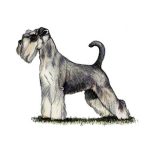
The Miniature Schnauzer presents a sturdy, almost square frame, giving an impression of robust athleticism despite its smaller stature. The breed’s proportions are carefully balanced, with the length of the body mirroring its height at the shoulders. Its keen expression and alert posture are defining qualities, immediately conveying a sense of readiness and intelligence.
Distinctive facial features set the Miniature Schnauzer apart—prominent bristly eyebrows, a pronounced moustache, and bushy chin whiskers lend the breed its iconic look. The head is strong and elongated, tapering gracefully from well-set, neat V-shaped ears down to a moderately blunt muzzle. Medium-sized, dark, oval eyes are bright and expressive, framed by arched eyebrows that enhance the breed’s animated demeanor.
The neck of the Miniature Schnauzer is moderately long and slightly arched, flowing smoothly into the shoulders for a proud carriage. The chest is deep and broad, leading to a strong, straight back. Forelegs are straight and muscular, while hindquarters are powerfully constructed for agile movement. Feet are compact, round, and cat-like, supporting the breed’s energetic movement.
A harsh, wiry coat with a dense undercoat gives the Miniature Schnauzer its crisp, tidy appearance. The hair is shorter on the neck and ears, and denser and wirier on the legs. Official breed colors include black, black and silver, pepper and salt, and white. Recognized colors must display good pigmentation, while any other colors are not considered acceptable by the breed standard.
Typical size sees adult dogs standing about 14 inches tall (bitches slightly smaller at 13 inches). The breed avoids an overly toy-like appearance in favor of a solid, practical build—striking a balance between handsome presence and everyday durability.
Temperament & Behavior
The Miniature Schnauzer is best described as alert, reliable, and highly intelligent, with a keen desire to remain close to its people. Primarily a companion dog, it is smart, perceptive, and naturally attuned to the moods and routines of its household. This attentive nature makes the breed delightful company for both adults and children, as well as an excellent candidate for various dog sports and training activities.
At home, the Miniature Schnauzer is social and interactive, often positioning itself at the center of family life. The breed’s adaptability shines in various settings, thriving in apartments as well as larger homes, so long as it receives regular mental and physical stimulation. While they are generally good with children due to their playful, tolerant nature, early socialization is always recommended to ensure positive relationships with both humans and other pets.
A product of the Utility group, the Miniature Schnauzer was once bred for specific tasks but is now prized mostly for its companionship and adaptability. Its lively spirit and sharp senses make it an excellent watchdog; though not aggressive, it will readily alert the household to unfamiliar noises or strangers. This natural vigilance, combined with a generally cheery personality, makes it a well-rounded companion suitable for many lifestyles.
The breed’s intelligence and willingness to learn also come with a degree of independence. While this spirit brings charm and humor, owners should be ready to establish gentle boundaries and provide consistent, positive leadership. Left without sufficient guidance or activity, the Miniature Schnauzer may turn to mischief or develop unwanted habits—but with attentive care, these challenges can be easily managed.
Care & Living Needs for the Miniature Schnauzer
The Miniature Schnauzer flourishes best when its exercise and stimulation needs are met. Up to an hour of daily activity, such as brisk walks, interactive play, or fetch, is usually sufficient to keep this energetic breed happy. Apartments and flats are completely feasible living spaces for the Miniature Schnauzer, particularly when paired with regular walks and some access to a small or medium garden for fresh air and exploration. The breed’s adaptability also makes it a seamless addition to both city and country homes.
Grooming is a notable aspect of Miniature Schnauzer care. The breed sports a medium-length, harsh, wiry coat that requires brushing several times a week to prevent matting and maintain its signature look. Regular attention to the beard and leg furnishings, as well as routine clipping or hand-stripping, helps keep the dog tidy and comfortable. One of the breed’s notable advantages is its lack of shedding, which makes it appealing for those sensitive to dog hair in the home.
Mental stimulation is just as important as physical exercise for the Miniature Schnauzer. Puzzle toys, obedience games, or short training sessions will engage its active mind and prevent boredom. Positive training methods, consistency, and a sense of fun are key to building a trusting and responsive relationship with this breed.
Those not suited to patient grooming or who cannot provide daily companionship might find the Miniature Schnauzer a less ideal choice. This breed thrives as part of the family and needs regular contact and participation in family routines. Left alone or unstimulated for long periods, it may vocalize or develop behavioral issues—so prospective owners should be prepared for an involved and engaging canine companion.
Health & Common Issues
The Miniature Schnauzer is generally a robust breed with a life expectancy surpassing ten years. Its hardy constitution stems in part from its working origins and sensible breeding practices. While the dataset provides no specific health concerns, routine care and regular veterinary check-ups are recommended to keep any small breed in optimal condition.
Owners should remain attentive to the dog’s weight, adapting food portions and exercise routines as necessary. A healthy balance between rest, play, and mental enrichment is important for supporting both the breed’s physical health and emotional wellbeing throughout its life.
Good dental hygiene is advised, as small breeds may be prone to plaque buildup. Keeping nails, ears, and coat maintained with regular grooming sessions also contributes to overall health and comfort. A relationship with a trusted veterinarian ensures timely attention to preventative care and early detection of any issues.
Official Breed Standard Summary
The official breed standard for the Miniature Schnauzer sets forth clear guidelines for temperament, appearance, and health. The ideal Miniature Schnauzer should embody robust soundness, never favoring decorative traits over functional attributes. Clear, square proportions, an alert attitude, and a keen presence mark the desired physical and behavioral traits of this breed.
Height is ideally 14 inches for males and 13 inches for females, but the breed standard acknowledges natural variation. Recognized colors are pepper and salt (ranging from dark to light gray), solid black, black and silver, and white, each requiring strong pigmentation. Any other shade or combination falls outside the acceptable parameters. The coat is required to be harsh and wiry with a dense undercoat, and excessive or silky furnishings are discouraged.
Movement should be free, balanced, and vigorous, with a level back maintained during action. Care is advised to avoid health or soundness issues arising from exaggerated features. The breed’s unique furnishings—thick eyebrows, moustache, and leg hair—are key identifiers but should never impede function or comfort.
The standard calls for two fully descended testicles in males and stipulates that any faults be weighted according to their impact on health and welfare. Prospective owners are encouraged to consider the breed’s adaptability regarding size variation, focusing on soundness and general balance rather than rigid measurements.
Frequently Asked Questions about the Miniature Schnauzer
Is the Miniature Schnauzer good for first-time dog owners?
The Miniature Schnauzer is a smart, adaptable breed that generally suits first-time dog owners, provided they are ready for regular grooming and can offer companionship and consistent training. Its intelligence and eagerness to please often make it easy to work with for attentive families or individuals.
How much exercise does a Miniature Schnauzer need daily?
This breed benefits from up to one hour of exercise each day. Walks, playtime, and mental games will keep the Miniature Schnauzer physically fit and mentally satisfied.
Is the Miniature Schnauzer good with children?
Miniature Schnauzers are typically gentle and playful with children, making them well-suited for families. As with any breed, supervision and proper socialization are important to foster positive interactions.
Can the Miniature Schnauzer live in an apartment?
Yes, the Miniature Schnauzer adapts well to apartment living as long as it receives daily walks and stimulation. Its manageable size and moderate exercise needs make it an ideal urban companion.
How much grooming does a Miniature Schnauzer need?
The breed requires more than once-a-week grooming to maintain its wiry coat and signature furnishings. Regular brushing, periodic trimming, and attention to hygiene are essential to keep the Miniature Schnauzer looking and feeling its best.
Are there common health concerns in this breed?
The Miniature Schnauzer is generally known for its sound health and longevity. Maintaining a balanced lifestyle with regular veterinary visits and proper grooming helps keep it in top form.


