
What Are the Traits and Care Tips for Schnauzers?
The Schnauzer is a robust, medium-sized dog that appeals to a wide range of owners, from active singles and couples to families looking for a reliable companion. Recognized for its distinguished bearded face and strong work ethic, the Schnauzer stands out as both a loyal household member and an energetic partner for outdoor activities. Its engaging personality and distinct appearance ensure a special spot in the hearts of many dog enthusiasts.
Originally bred with practical purposes in mind, the Schnauzer today combines its historic talents as a versatile utility dog with modern sensibilities as a devoted friend. Whether engaged in play, participating in training sessions, or simply joining the family on a walk, this breed brings a lively intelligence and steady temperament to any home it enters.
- Overview of the Schnauzer
- Key Characteristics
- Appearance of the Schnauzer
- Temperament & Behavior
- Care & Living Needs
- Health & Common Issues
- Official Breed Standard Summary
- Frequently Asked Questions
Group: Utility
Size: Medium
Exercise needs: Up to 1 hour per day
Coat length: Medium
Grooming: More than once a week
Shedding: Yes
Lifespan: Over 10 years
Ideal home type: Small house
Town or country: Either
Garden needs: Small/ medium garden
Overview of the Schnauzer
The Schnauzer traces its roots back to at least the 14th century in Germany, where it was highly valued for its versatility and spirited presence. Known for its iconic whiskered muzzle and expressive eyebrows, this breed played key roles as both a reliable vermin catcher and a resourceful farm helper. Far from being a single-purpose animal, the Schnauzer efficiently managed herding duties and even pitched in to pull small carts, making it an indispensable partner in rural communities of the time.
This breed gets its name from the German word meaning “whiskered snout,” reflecting the distinctive beard and bristly coat that are hallmarks of its appearance. Initially called the Wirehaired Pinscher, the Schnauzer earned its present name after a celebrated dog who won early breed competitions. Throughout its history, the Schnauzer has maintained a reputation for stamina, keen observation, and adaptability, making it well-suited to a variety of homes and lifestyles today.
Ideal for owners seeking a medium-sized, energetic, and steady companion, the Schnauzer flourishes with individuals or families who appreciate a dog with equal parts spirit and reliability. Its willingness to learn, moderate space requirements, and ability to thrive in both town and country environments make it a popular choice for those looking for a balance between activity and affection.
Key Characteristics
- Energy level – The Schnauzer is lively and needs daily physical activity to stay content.
- Trainability – This breed learns quickly and responds well to consistent, positive training methods.
- Intelligence – Renowned for its problem-solving skills and alert nature, the Schnauzer is highly intelligent.
- Prey drive – Originally developed as a vermin hunter, it often shows a moderate to strong prey drive.
- Social needs – The Schnauzer enjoys active participation in family life and values companionship.
- Compatibility with families and children – Generally a good fit for families, especially those who can provide leadership and engagement.
- Compatibility with other dogs – With proper socialization, the Schnauzer gets along well with other dogs.
- Guarding or watchdog tendencies – Naturally alert, the Schnauzer makes a reliable watchdog without being aggressive.
- Adaptability to city or country life – Equally at home in urban or rural settings, given sufficient exercise and mental stimulation.
- Best suited owner type – Owners or families who engage with their dog and can meet grooming and exercise needs are ideal.
- Typical daily routine – A mix of walks, interactive play, mental challenges, and social time makes for a happy Schnauzer.
Appearance of the Schnauzer
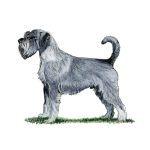
The Schnauzer projects a sturdily built and robust presence, boasting a nearly square outline where body length equals height at the shoulders. The overall impression is of a sinewy and athletic dog, with keen expression and an alert stance. These proportions not only contribute to its striking silhouette but also allow for the agility and stamina that the breed is known for.
The breed’s head narrows gracefully from its pronounced, bushy eyebrows and arched forehead toward a powerful, moderately blunt muzzle. Distinctive bristly whiskers and a signature beard frame the face, while dark, oval-shaped eyes add intensity to their attentive expression. V-shaped ears placed high on the head drop neatly forward toward the temples, contributing to a look that is both elegant and purposeful.
In terms of size, the ideal height at the withers is around 19 inches for males and 18 inches for females, with small deviations accepted but discouraged in the standard. The Schnauzer’s harsh, wiry outer coat and dense undercoat are designed for both protection and cleanliness. The coat sits closer around the neck and shoulders, while the facial furnishings give the breed its unmistakable character. Colors are limited to pure black or pepper and salt, with no other combinations accepted in the official standard.
The breed possesses well-muscled limbs, compact cat-like feet, and a tail carried jauntily high, all reinforcing the image of a dog built for endurance and vigor. Movement is free, balanced, and purposeful, showcasing both strength and elegance in its stride.
Temperament & Behavior
At the heart of the Schnauzer’s appeal is its alert, reliable, and intelligent personality. This breed was originally developed to be both a working companion and a loyal family friend, retaining an innate sense of duty tempered by an approachable and affectionate demeanor. Its temperament makes it an exceptional companion for those seeking a dog that is both observant and gentle.
Within the home, the Schnauzer displays devoted companionship, often forming strong bonds with all family members. It is attentive to its surroundings and quick to let its owners know if anything unusual is afoot, thanks to its notable watchdog instincts. Despite this vigilance, it is not typically prone to unnecessary aggression or nuisance barking when well socialized and trained.
Socialization from an early age is important for this breed. When introduced to other animals and new people in a positive, controlled setting, Schnauzers get along well with other dogs and are typically respectful around children. Their intelligence and eagerness to please make them highly responsive to structured training but can also lead to attempts at clever mischief if left unstimulated.
Belonging to the Utility group, Schnauzers exemplify adaptability and usefulness, traits that date back to their historical roles. This background contributes to a temperament that balances independent thought with a readiness to engage in any family activity, from leisurely walks to interactive play or simple companionship on the couch.
Care & Living Needs for the Schnauzer
The Schnauzer thrives when provided with moderate daily exercise, typically up to an hour of activity each day. While not excessively demanding, it does require both physical and mental stimulation to channel its energies constructively. Regular walks, play in a secure yard, or participation in agility games help maintain fitness and satisfaction.
This breed is well suited to small houses and can adapt to apartment living if exercised sufficiently. A small to medium garden provides extra space to roam and explore, but the Schnauzer is equally comfortable with town or country environments as long as its active needs are met. The breed’s manageable size makes it a flexible choice for diverse living situations.
Coat care is a defining part of Schnauzer ownership. The harsh, wiry coat must be groomed more than once a week to prevent matting and keep the coat in prime condition. Regular brushing and occasional hand-stripping are recommended to preserve the weatherproof quality of the coat. This breed does shed, so those sensitive to dog hair should factor in the grooming commitment. Their medium-length coat also protects them from dirt and debris, aligning with their traditional working origins.
Mental stimulation is crucial. Puzzle toys, training challenges, and frequent interaction help prevent boredom and encourage well-rounded behavior. Schnauzers excel in obedience and interactive activities when taught with patience and positive reinforcement. Owners who lead busy lives or prefer low-maintenance custodians may find the grooming and engagement needs of the Schnauzer more demanding than desired.
This breed may not be ideal for those seeking a laid-back lapdog or owners unable to commit to regular grooming and exercise. Individuals or households who thrive on activity and appreciate an intelligent, involved canine partner will find the Schnauzer a rewarding choice.
Health & Common Issues
The dataset does not specify particular health conditions unique to the Schnauzer. As with all dogs, general wellness depends on attentive, proactive care and regular veterinary supervision. Lifespan is typically over 10 years, and a healthy lifestyle plays a substantial role in maintaining the breed’s robust constitution.
Weight management, consistent exercise, and proper dental care are important in promoting a long, active life for the Schnauzer. Owners should monitor their dog’s condition, ensure a balanced diet, and address minor concerns before they develop into significant issues. Regular checkups help catch potential problems early, such as those with the coat, skin, or joints.
Routine grooming also contributes to good health by preventing skin irritation and maintaining coat quality. Keeping the Schnauzer’s mind engaged serves as a tool for behavioral wellness, further reducing potential stress-related problems. Responsible breeding and a discerning choice of puppies help set the foundation for a healthy start.
Official Breed Standard Summary
The official breed standard provides a comprehensive description outlining the ideal appearance, temperament, and structure of the Schnauzer. This guidance ensures the breed retains its signature attributes and remains fit for its historical and modern roles. The standard highlights sturdy construction, keen expression, and a balanced silhouette, emphasizing that soundness and temperament should never be compromised for aesthetic appeal.
Coat color must be either pure black or pepper and salt, with specific patterning and pigmentation. The smart, wiry coat and dense underlayer are essential, contributing to the breed’s classic outline and working utility. The preferred height at the shoulders is approximately 19 inches for males and 18 inches for females, and deviations from this ideal are discouraged where possible.
The standard notes that movement should be free, balanced, and powerful, supporting the breed’s energetic functionality. Features such as closely arched feet, high-set tails, and distinctive facial furnishings are all part of the characteristic look of the Schnauzer. Any marked deviation from these standards is considered a fault, with severity judged by its effect on health and welfare.
Puppy buyers should recognize that dogs may vary from the exact measurements or descriptions outlined in the standard. The breed’s lasting popularity stems from its adherence to these principles, promoting a healthy, capable, and visually distinctive dog in every generation.
Frequently Asked Questions about the Schnauzer
Is the Schnauzer good for first-time dog owners?
The Schnauzer can be a suitable choice for dedicated first-time owners who are willing to meet its grooming and exercise needs. Its intelligence makes training rewarding, but consistency and patience are essential.
How much exercise does a Schnauzer need daily?
This breed requires up to an hour of exercise each day. Structured walks, playtime in a secure yard, and interactive games help fulfill its need for physical and mental stimulation.
Is the Schnauzer good with children?
Schnauzers are generally well-mannered with children when properly socialized. Their playful but steady nature makes them a solid choice for family life, especially with owners able to provide guidance and boundaries.
Can the Schnauzer live in an apartment?
The Schnauzer can adapt to apartment living provided it receives ample daily exercise and engagement. Its manageable size and nature make it a flexible companion for urban dwellers.
How much grooming does a Schnauzer need?
Regular grooming is important for this breed, with brushing required more than once a week. Maintaining the distinctive coat may also involve occasional professional grooming or hand-stripping to keep the texture and appearance optimal.
Are there common health concerns in this breed?
No specific health problems are highlighted for the Schnauzer in the information provided. As with all breeds, establishing a relationship with a trusted veterinarian and monitoring overall wellbeing through regular care ensures the best possible health outcomes.


