
What Are the Traits and Care Tips for a Schipperke?
The Schipperke is a distinctive small breed known for its lively spirit, sharp expression, and versatility. With roots tracing back to Belgian barges, this dog has served as a vigilant pest controller, dependable watchdog, and loyal companion. Its compact size and outgoing nature make it a favorite for active individuals and families looking for a dog with personality and presence in any living situation.
This breed shines with people who appreciate alert, intelligent dogs that relish both action and companionship. Schipperkes adapt well to both urban and rural settings, thriving equally in apartments or houses with small gardens. Those seeking a low-key, sedentary pet may find the Schipperke’s zest for activity and keen awareness a bit more than expected, but for those seeking an engaging canine partner, few breeds match its verve and charm.
- Overview of the Schipperke
- Key Characteristics
- Appearance of the Schipperke
- Temperament & Behavior
- Care & Living Needs
- Health & Common Issues
- Official Breed Standard Summary
- Frequently Asked Questions
Group: Utility
Size: Small
Exercise needs: Up to 1 hour per day
Coat length: Medium
Grooming: More than once a week
Shedding: Yes
Lifespan: Over 12 years
Ideal home type: Flat/ Apartment
Town or country: Either
Garden needs: Small/ medium garden
Overview of the Schipperke
The Schipperke’s history begins along the waterways of Belgium, where these spirited dogs played a critical role aboard barges. Tasked with controlling vermin and announcing arrivals or intruders, they quickly built a reputation as efficient workers and trustworthy guardians. Their name, which means “little skipper” or “little boatman,” is a nod to their maritime heritage and the esteem in which they were held by Belgian boatmen.
These dogs became a feature of Flemish life, not just as working partners, but also as competitors in Sunday beauty contests, often decked out with decorative brass collars. Traditionally favored among working-class families, the breed’s popularity surged in the late 19th century after Queen Marie Henriette chose a Schipperke for her pet, rapidly making it the most popular breed throughout Belgium.
For potential owners, the Schipperke offers a unique blend of historical significance and contemporary adaptability. Its size and temperament suit urban living, but its need for stimulation and exercise makes it equally at home in more spacious rural environments. Whether you’re seeking an alert companion or a lively addition for a family, the Schipperke brings energy and devotion wherever it goes.
Key Characteristics
- Energy level – Highly energetic and enjoys regular, purposeful activity.
- Trainability – Intelligent and curious, picks up on commands quickly with consistent training.
- Intelligence – Known for being quick-witted and problem-solving; commonly considered clever.
- Prey drive – Instinctively driven to chase vermin and small animals, reflecting their working heritage.
- Social needs – Forms strong bonds with families but can be reserved with strangers at first.
- Compatibility with families and children – Makes a devoted family pet and generally behaves well with children when properly introduced.
- Compatibility with other dogs – Typically social, especially when raised with other dogs, but may display watchful tendencies.
- Guarding or watchdog tendencies – Alerts to unknown noises or visitors, displaying natural watchdog instincts.
- Adaptability to city or country life – Adapts easily to both city apartments and country homes as long as exercise needs are met.
- Best suited owner type – Active individuals, families, or couples who appreciate an involved and responsive companion.
- Typical daily routine – Combines mental and physical activity with family interactions throughout the day.
Appearance of the Schipperke
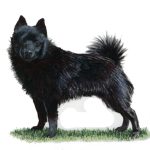
The Schipperke is distinctly small and cobby, giving a compact impression. Its body is well-proportioned and solid, enhanced by a sharp, alert expression that is often described as “foxy.” The head is a blend of broad and flat skull, with a moderate-length muzzle and well-defined black nose. Eyes are dark brown, oval-shaped, and radiate an expressive brightness typical of the breed. The breed’s upright, pointed ears contribute to its lively and attentive demeanor.
This breed’s physique combines strength and agility. The neck is full and slightly arched, set firmly on muscular shoulders. Straight, well-boned legs support a chest that is deep and broad with a back that remains short and strong. The hindquarters are slightly lighter, comprised of muscular thighs and a well-rounded rump. Unique “cat-like” feet enable quick, precise movements, while the tail, which may range from full length (curled over the back) to very short or even tailless, is always generously coated in hair.
The Schipperke’s coat is one of its most prominent features, being abundant, dense, and harsh to the touch. The fur lies close on the back and sides, with the head and legs covered in smoother hair. Around the neck, a mane and frill stand out, while feathering on the thighs forms “culottes.” Acceptable colors are jet black or cream shades including pale ivory through light red, and gold. The ideal weight falls between 5.5 and 7.5 kilograms (roughly 12 to 16 pounds), making the Schipperke sturdy yet conveniently sized for most living situations. Three images referenced in available materials display a variety of these coat colors and physical nuances.
Temperament & Behavior
Living with a Schipperke means inviting an intensely lively and alert presence into your home. The breed thrives on involvement in household activities and maintains a keen awareness of its surroundings, often serving as an effective canine alarm system. The official breed standard emphasizes traits such as amenability, intelligence, and faithfulness—all apparent in the breed’s everyday interactions.
Schipperkes enjoy family life and quickly form close bonds. Their playful attitude and responsiveness make them especially engaging companions, but they also have an independent streak. When socialized from a young age, they typically coexist well with children and other dogs. Still, their natural tendency to guard property and family remains strong, so introductions to new pets or visitors require patience and confident, positive leadership from owners.
Belonging to the Utility group—a collection of breeds developed for diverse non-sporting tasks—the Schipperke is adaptable, versatile, and observant. Its vigilant nature, inherited from generations of working on barges, means it’s often the first to notice changes in the environment, making it a reassuring presence in many homes. These traits, paired with a sharp mind and energetic body, require thoughtful engagement and can bring out the best in experienced and novice owners alike.
Care & Living Needs for the Schipperke
The Schipperke benefits from a daily routine that includes up to an hour of exercise, ranging from brisk walks to games and interactive play. They relish activities that stimulate both mind and body, and often enjoy learning new tricks or participating in canine sports. Adjusting this routine based on age and health helps maintain their well-being and happiness over their lifespan.
This breed adapts well to apartment life or compact homes, provided it receives enough physical and mental stimulation. A small to medium garden is ideal but not compulsory. Schipperkes can thrive in urban settings, as long as they’re given ample opportunity to expend energy and stay occupied.
Grooming is an important aspect of Schipperke care. The double, medium-length coat requires brushing more than once a week to control shedding and maintain the coat’s density and texture. Special attention around the mane and thigh feathering helps keep the fur free of tangles. The breed does shed, so regular grooming can minimize hair around the home.
Mental stimulation is vital for this intelligent dog. Puzzle toys, training sessions, and varied activities prevent boredom and curb nuisance behaviors. While they are generally trainable, a firm yet kind approach works best. This breed is not well suited for those seeking a low-maintenance or sedentary pet. Their zest for life and need for engagement make them happiest with owners who appreciate their spirited temperament.
Health & Common Issues
While the dataset does not specify particular health concerns, general canine care practices apply well to the Schipperke. Their robust nature and typical lifespan of over 12 years mean they age well with balanced exercise, a nutritious diet, and regular veterinary visits.
Their dense, weather-resistant coat protects them year-round, yet maintaining a consistent grooming routine ensures healthy skin and fur. Like many breeds, attention to dental care, ear cleaning, and weight management adds to their overall wellness.
Observing activity levels and addressing any changes in mobility, appetite, or temperament early on can benefit Schipperke owners in detecting and managing any emerging health issues. As with all dogs, combining preventive care with attentive day-to-day observation is the best approach for a healthy, long life.
Official Breed Standard Summary
The official breed standard for the Schipperke provides detailed guidance on the ideal qualities expected within the breed. Designed as a reference for breeders and judges, it focuses on the importance of a dog’s fitness for its historical function. Soundness and well-being are central, and every effort is made to avoid features that could negatively impact health, welfare, or physical ability.
Desirable traits include the characteristic sharp expression, active and cobby build, and general appearance that signals alertness and confidence. The correct weight, ideally around 5.5 to 7.5 kilograms, ensures the dog is solid yet not oversized. Coat type is abundant and harsh, forming a pronounced mane, frill, and feathered thighs. Acceptable colors are jet black, cream, gold, or light red, with color clarity extending to the nose pigmentation as specified.
Movement in the Schipperke should be brisk and true, while structure—such as a broad chest, straight and strong back, and small, cat-like feet—supports its legacy as a mobile, agile worker. Any departures from these points are considered faults, evaluated in proportion to their impact on the animal’s health or functionality.
Prospective owners should remember that the breed standard is a guide and not every Schipperke will fit these exact measurements. Both large and small individuals can make excellent companions, provided their other qualities and health align with the breed’s intent and standards.
Frequently Asked Questions about the Schipperke
Is the Schipperke good for first-time dog owners?
The Schipperke’s intelligence and affectionate nature can suit first-time owners who are prepared for its energy and need for engagement. Consistent training and a willingness to include the dog in daily activities help create a strong bond.
How much exercise does a Schipperke need daily?
This breed benefits from up to one hour per day of exercise. Brisk walks, play sessions, or supervised garden time keep them happy and healthy.
Is the Schipperke good with children?
Schipperkes generally enjoy family life and can get along well with children, especially when socialized early. Supervision is always recommended to foster respectful and positive interactions.
Can the Schipperke live in an apartment?
Thanks to their small size and adaptability, Schipperkes are suitable for apartments as long as their physical and mental exercise needs are met. Access to outdoor spaces or regular walks is important.
How much grooming does a Schipperke need?
The medium-length, dense coat needs brushing more than once a week to keep it looking its best and to manage shedding. Occasional washes and attention to feathering help maintain hygiene.
Are there common health concerns in this breed?
No specific health concerns are highlighted in the available information. Regular vet care, grooming, and proper diet support their longevity and wellbeing.


