
What Are the Traits and Care Tips for a Shar Pei?
The Shar Pei is a unique and distinctive dog breed, recognized instantly for its deeply wrinkled skin and dignified presence. With their calm and affectionate nature, Shar Peis make excellent companions for families or individuals who appreciate an independent, loyal pet with a sense of history. Their moderate exercise requirements and suitability for both city and country living mean they can adapt well to a range of households, from small homes to more spacious environments with a garden.
Originating from China, the Shar Pei carries a legacy as both a hunter and guardian. This breed’s combination of intelligence, devotion, and self-reliance makes them well-suited for owners seeking a dog that is protective but not overly demanding. While their appearance draws plenty of admirers, it’s their steadfast character and ability to form close bonds with their people that truly set the Shar Pei apart in the world of companion dogs.
- Overview of the Shar Pei
- Key Characteristics
- Appearance of the Shar Pei
- Temperament & Behavior
- Care & Living Needs
- Health & Common Issues
- Official Breed Standard Summary
- Frequently Asked Questions
Group: Utility
Size: Medium
Exercise needs: Up to 1 hour per day
Coat length: Short
Grooming: Once a week
Shedding: Yes
Lifespan: Over 10 years
Ideal home type: Small house
Town or country: Either
Garden needs: Small/ medium garden
Overview of the Shar Pei
The Shar Pei is an ancient breed with roots that stretch deep into China’s history. Believed to have descended from the renowned Han Dog, which served as a guardian more than 2,000 years ago, the Shar Pei has a distinguished heritage as both a watchdog and a participant in dog fighting arenas. Their strong, bristly coat and uniquely loose skin were functional attributes, intended to deter opponents and provide protection in confrontations.
The breed’s name means “harsh sandy coat” or “sand paper skin,” a testament to their characteristic rough fur that makes them stand out among other breeds. The 20th century nearly brought the Shar Pei to extinction when sweeping changes in China led to the destruction of countless domestic dogs. Fortunately, the breed experienced a revival, thanks to the dedication of modern enthusiasts who focused on preserving the unique look and strong, affectionate temperament of this dog.
Today, Shar Peis are chosen companions for people seeking a dog with a noble look, straightforward care needs, and a certain independence. They thrive in homes where they can form close bonds with their families and benefit from a sense of purpose, whether as a cozy household pet or a quiet alert guardian.
Key Characteristics
- Energy level – Moderate, with a preference for daily routine walks and some playtime.
- Trainability – Intelligent but sometimes independent; responds well to patient, consistent training.
- Intelligence – Quick to learn and resourceful, with problem-solving tendencies.
- Prey drive – Originally bred for hunting and guarding, some individuals may display a degree of prey drive.
- Social needs – Loyal and deeply devoted to their people, though generally reserved with strangers.
- Compatibility with families and children – Usually affectionate and protective with children, making a steadfast family companion.
- Compatibility with other dogs – Can be tolerant, but early socialization is recommended to minimize potential conflicts.
- Guarding or watchdog tendencies – Alert and naturally protective, the Shar Pei excels at watching over its home.
- Adaptability to city or country life – Comfortable in both urban and rural settings when their needs are met.
- Best suited owner type – Experienced or thoughtful owners who appreciate a calm, independent dog with strong instincts.
- Typical daily routine – Enjoys moderate exercise, some quiet time, and interactive family moments each day.
Appearance of the Shar Pei
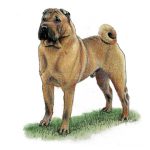
The Shar Pei is a medium-sized, squarely built dog known for its striking loose skin and distinctive wrinkles, particularly evident across the forehead, cheeks, shoulders, and base of the tail. Standing around 18 to 20 inches tall at the withers, the breed projects an alert and compact frame, giving a powerful impression without any sense of bulkiness or exaggeration.
The head is relatively large but balanced with the body, featuring a broad flat skull and moderate stop. Wrinkles over the forehead and cheeks complement the breed’s famous “frowning” expression. Eyes are almond-shaped, dark, and lend an alert, thoughtful gaze, while the small, thick, triangular ears sit high and forward on the skull, enhancing the breed’s vigilant demeanor. The muzzle is broad and full, with a padded look and a large wide nose, most often in black but sometimes reflecting the dog’s coat color. Most notably, the interior of the mouth exhibits a characteristic bluish-black tone.
The Shar Pei’s neck is strong and of medium length, allowing for a proud yet relaxed carriage. The body is well-proportioned, with chest depth equal to half the height at the withers and a back that is short and powerful. Both forequarters and hindquarters display muscle and sound construction, supporting fluent, free movement. The tail is set high and narrows to a fine point, commonly carried in a tight curl or elegantly curved over the back.
The hallmark of this breed is its unique short, bristly, and extremely harsh coat, which stands off from the body. There’s no undercoat, and the hair may range in length from very short (under half an inch) to longer bristles up to one inch. Acceptable solid colors include apricot, black, blue, brown, cream, fawn, red, and several others, though white and any mixed colors or marked patterns are not in line with the standard. Shedding is moderate, and the Shar Pei’s distinctive appearance is never achieved through trimming or artificial shaping.
Temperament & Behavior
Shar Peis are celebrated for their calm, self-assured, and independent personalities, which are balanced by a deep affection and loyalty toward their families. Within the home, they tend to be quiet, dignified, and openly devoted, often forming strong bonds with loved ones. While many Shar Peis relish time spent in the company of their people, they are not usually demanding of attention and can be content relaxing near their owners.
With a history rooted in both watchdog and fighting roles, the Shar Pei naturally displays an alert and protective demeanor. This does not translate into aggression, but rather a composed attentiveness—making them respectable guardians without excessive barking or nervousness. Early and ongoing socialization helps refine these instincts and supports well-mannered interactions with guests, fellow dogs, and other animals.
When it comes to children, the Shar Pei is typically affectionate and patient, standing as a dependable family companion. Their loyalty runs deep, and many enjoy quiet companionship as much as playtime. However, as their independent streak suggests, they may sometimes prefer alone time and are less effusive with people outside their trusted circle. In multi-dog households, careful introductions and clear guidance are recommended, as the breed appreciates order and fairness.
The Shar Pei belongs to the Utility group—a diverse collection of breeds historically bred for varied purposes outside traditional sporting or working dog activities. Their flexibility means they’re suited to a wide range of modern living situations, bringing both ancient heritage and contemporary adaptability to today’s homes.
Care & Living Needs for the Shar Pei
Shar Peis are reasonably low-maintenance when it comes to daily life, but they do have some specific needs to ensure their well-being. A daily walk and regular play session, adding up to about an hour of exercise, typically suffice to keep Shar Peis healthy and content. They can thrive in both small homes and larger spaces, as long as a modest-sized garden or outdoor area is available for supervised activity and exploration.
Grooming is generally uncomplicated due to the breed’s short, harsh coat. Weekly brushing will keep shedding manageable and maintain the health of their skin, particularly within the folds and wrinkles. Routine checking for dirt or irritation in these areas is wise, as their unique skin can sometimes trap debris. Occasional baths and regular nail trims round out their grooming routine.
Thanks to their adaptability, Shar Peis are equally at home in city apartments or more rural environments. Owners living in towns or in the countryside will find that their pets adjust well, provided they have a daily routine and adequate opportunities for mental stimulation. Training sessions should be positive and consistent, building on the breed’s intelligence and natural drive to please. Patience is key, as the Shar Pei’s independent spirit can sometimes surface during training.
This breed is not ideal for those seeking a hyper-social or extremely active dog. Those who may not have time for regular, moderate exercise or might overlook necessary grooming of the skin folds should reconsider. Households that understand and appreciate a steady, loyal, and quietly protective companion will find much to love in the Shar Pei’s company.
Health & Common Issues
While the dataset does not specify particular health risks, responsible ownership practices are crucial to maintaining Shar Pei health and vitality. Given the breed’s characteristic physical traits, careful attention should be paid to the care of wrinkles—keeping the skin clean and dry to minimize the chance of irritation.
Like all dogs, Shar Peis benefit from routine veterinary checkups, balanced exercise, a nutritious diet, and close monitoring of their weight to support joint and overall health. Daily care, including dental hygiene and regular checks for skin, eye, and ear health, is always advised.
Every individual is unique, and providing a stable, loving environment with attentive care can contribute to longevity and well-being. Early and ongoing communication with a knowledgeable veterinarian helps support your Shar Pei’s health throughout its life.
Official Breed Standard Summary
The official breed standard offers a comprehensive guideline outlining the ideal Shar Pei in terms of appearance, character, and fitness for purpose. A sound, squarely built frame, distinctive wrinkles, and a harsh, bristly coat are signature traits. Acceptable colors include a range of solid shades, apart from white, and the coat should never be artificially trimmed. Males should exhibit two fully descended testicles as part of normal development.
Movement should be free and vigorous, with balanced rear tracking and no signs of impediment. The Shar Pei’s temperament is defined by calmness and devotion, and dogs showing obvious health or structural issues should not be rewarded in the show ring. Excessive features, such as too much wrinkling or padding, are seen as faults, as they may impact health.
Height at the withers falls between 46 and 51 centimeters, but the standard notes that not every dog will match these exact measurements; some variation is natural. The standard emphasizes reliability, function, and welfare above extreme characteristics or exaggeration in any single feature.
Potential owners and breeders should always consider the official guidelines to preserve the unique qualities of the Shar Pei while prioritizing lifelong health and happiness.
Frequently Asked Questions about the Shar Pei
Is the Shar Pei good for first-time dog owners?
The Shar Pei can be suitable for first-time owners who are patient, consistent, and willing to invest in training and socialization. Their independent nature means they benefit most from experienced owners or those ready to dedicate time to understanding their unique needs.
How much exercise does a Shar Pei need daily?
Shar Peis require up to one hour of exercise each day. This can include walks, playtime, and some opportunities for mental stimulation to keep them physically and emotionally healthy.
Is the Shar Pei good with children?
Most Shar Peis are affectionate and protective with children, forming close bonds as steady companions. Supervision and respectful interactions are always recommended, especially with younger kids or visiting children.
Can the Shar Pei live in an apartment?
The Shar Pei adapts well to apartment living, provided they receive daily exercise and have a consistent routine. Their moderate size and relatively calm demeanor make them suitable for compact spaces.
How much grooming does a Shar Pei need?
Grooming needs are moderate, with weekly brushing recommended to manage shedding and keep the harsh coat in good condition. Routine cleaning of the skin folds is also essential to prevent irritation.
Are there common health concerns in this breed?
The Shar Pei’s skin and wrinkles require regular care to remain healthy. Routine veterinary visits and daily attention to general hygiene support their well-being over a long lifespan.


