
What Are the Traits and Care Tips for Norfolk Terriers?
The Norfolk Terrier is a compact, lively, and affectionate breed ideal for individuals and families looking for a small companion with a big personality. Renowned for its spirited yet loving temperament, this terrier is equally at home with active owners, city dwellers in apartments, or those with modest gardens. Its size and adaptable nature make it a fantastic fit for diverse living situations while still providing the adventurous spark typical of terrier breeds.
If you are searching for a sturdy, energetic dog that adds character and charm to your daily life, the Norfolk Terrier stands out among its peers. Its roots as a skilled hunter shine through in its alert, fearless demeanor, but it’s just as inclined to curl up at your feet after a day of play. Pet owners who appreciate a small dog with a tough, working background and an affectionate side will find the Norfolk Terrier a delightful companion.
- Overview of the Norfolk Terrier
- Key Characteristics
- Appearance of the Norfolk Terrier
- Temperament & Behavior
- Care & Living Needs
- Health & Common Issues
- Official Breed Standard Summary
- Frequently Asked Questions
Group: Terrier
Size: Small
Exercise needs: Up to 1 hour per day
Coat length: Medium
Grooming: More than once a week
Shedding: Yes
Lifespan: Over 10 years
Ideal home type: Flat/ Apartment
Town or country: Either
Garden needs: Small/ medium garden
Overview of the Norfolk Terrier
The Norfolk Terrier hails from a distinguished lineage developed in the United Kingdom, with its origins intertwined with that of the Norwich Terrier. While the two breeds were once indistinguishable, ear type eventually set them apart—Norfolk Terriers possess the drop ears, which help define their sweet yet alert expression. Although recognized under a single banner in the early 20th century, it wasn’t until the 1960s that the Norfolk Terrier was officially acknowledged as its own distinct breed.
Once bred to control vermin, these fiery small dogs excelled at hunting rats, foxes, and other pests above and below ground. Their size made them especially valuable, able to chase quarry through tight spaces yet muscular enough to hold their own. The Norfolk’s spirited and plucky nature, combined with their compact stature, earned them a widespread following not only as working dogs but also as steadfast companions.
Owners seeking a companionable yet driven terrier will appreciate the Norfolk’s combination of stamina, affection, and adaptability. This breed suits active individuals, families, or seniors seeking a lively presence in their homes, whether nestled in city apartments or charming country cottages.
Key Characteristics
- Energy level – High for its size, usually requiring up to an hour of daily exercise and play.
- Trainability – Intelligent and eager to please but may have a touch of terrier stubbornness; positive methods work best.
- Intelligence – Quick-witted and responsive, thriving on interactive games and mental challenges.
- Prey drive – Retains strong hunting instincts; will readily chase small animals.
- Social needs – Enjoys both human and canine company, generally friendly if well-socialized from an early age.
- Compatibility with families and children – Good family companion, typically patient and playful with children under supervision.
- Compatibility with other dogs – Can get along well with other dogs, especially if raised together; early socialization is helpful.
- Guarding or watchdog tendencies – Alert and vocal, making an enthusiastic watchdog, though not overly aggressive.
- Adaptability to city or country life – Flexible breed, happy in both urban apartments and rural homes, given adequate activity.
- Best suited owner type – Ideal for individuals or families who can provide attention, exercise, and mental stimulation.
- Typical daily routine – Playful walks, interactive games, and plenty of affection split between indoor relaxation and outdoor adventures.
Appearance of the Norfolk Terrier
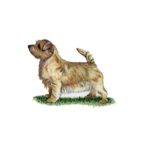
The Norfolk Terrier presents a classic terrier silhouette—small, sturdy, and full of strength for its size. These dogs stand at around 10 inches (25 centimeters) at the withers, showing notable substance and bone in a compact frame. Their overall balance and low stature give them a determined yet approachable look, often accentuated by a level back and well-sprung ribs.
Distinctive facial features include a broad, slightly rounded skull and a wedge-shaped, strong muzzle, giving a bold yet agreeable expression. Oval, dark eyes reflect keen intelligence, and their signature V-shaped ears drop forward close to the cheeks, softening the breed’s alert demeanor. The Norfolk Terrier’s mouth forms a tight, powerful jaw with a classic scissor bite, while the neck remains strong and of medium length.
Front legs are short and sturdy, supporting a body built for work, while the hindquarters are muscled and offer great propulsion—ideal for an active lifestyle. These dogs feature round feet with thick pads, contributing to their natural agility and endurance. The tail has sometimes been docked in the past but now is typically left natural.
The breed wears a protective double coat: the outer coat is hard, wiry, and straight, lying close to the body, with additional roughness about the neck and shoulders. Head and ears have shorter, smoother hair with only a touch of whisker or eyebrow. Norfolk Terriers come in a palette of colors, including various shades of red, wheaten, black and tan, grizzle, and red wheaten. White marks or patches are discouraged.
Temperament & Behavior
Tough in spirit yet deeply affectionate, the Norfolk Terrier brings a unique blend of alertness, fearlessness, and charm to any household. This breed is renowned for having a “demon” character in a tiny package—always ready for adventure but never quarrelsome or aggressive without cause. Thanks to its terrier heritage, the breed was developed to face formidable quarry underground and above, requiring boldness and tenacity.
Within the home, the Norfolk Terrier is an eager and attentive companion. Its hardy constitution and sociable disposition mean it easily transitions from a lively playmate in the garden to a relaxed family member cuddling with its people indoors. The breed tends to be friendly and affectionate, making it an asset to families and singles alike, and responding well to attention and gentle affection.
When meeting new people or animals, this terrier is alert—true to its roots as a hunter. Early and consistent socialization encourages confident, balanced behavior, turning their keen awareness into spirited friendliness rather than excessive wariness or barking. While their small size makes them adaptable, Norfolks benefit from supervision with young children and are best introduced gradually to other household pets, especially smaller ones.
A natural curiosity often leads this breed to investigate every nook and cranny, giving rise to amusing and entertaining antics. Their strong will can manifest as occasional stubbornness, but their loving natures and loyalty usually win the day. Keeping them engaged with games, toys, or canine puzzles helps channel their intelligence and adventurous streak productively.
Care & Living Needs for the Norfolk Terrier
Norfolk Terriers require daily activity but are not overly demanding compared to some larger breeds. Up to one hour of exercise per day—including walks, playtime, and training sessions—usually satisfies both their physical and mental needs. The breed adapts well to a variety of home environments, content in an apartment as long as outings and stimulation are provided. Small or medium gardens are suitable, but always ensure fences are secure; their hunting instincts mean they may dig or squeeze through gaps.
The wiry, medium-length double coat is relatively straightforward to maintain but does require more than once weekly brushing to stay clean and healthy. Regular grooming removes loose hair and keeps their appearance tidy, while occasional hand-stripping may be needed to preserve coat texture. The breed does shed, but with attentive grooming, hair around the home can be managed.
Mental exercise is as important as physical. The Norfolk Terrier excels in training, games, and interactive puzzles. Using positive reinforcement and variety helps motivate them, as repetitive drills can lead to boredom. They are happiest when included as active partners in their owners’ daily lives instead of being left alone for long periods.
This breed is not ideal for owners who prefer a low-energy, low-maintenance dog or who are away from home for much of the day. Those unwilling to provide exercise, mental stimulation, or regular grooming may find the Norfolk’s natural zest and needs challenging.
Health & Common Issues
Norfolk Terriers boast a robust constitution, often living well over 10 years with proper care. While the dataset does not specify particular breed health issues, it is always prudent to approach terrier breeds with balanced attention to joints, dental health, and regular veterinary check-ups. Keeping your Norfolk at a healthy weight, maintaining good dental hygiene, and ensuring plenty of regular exercise all contribute to a long, happy life.
As with any small dog, regular inspection of ears, skin, teeth, and eyes will help owners catch minor concerns before they become problems. Monitoring eating habits, activity levels, and coat condition provides a good indicator of overall well-being. Responsible breeders aim for soundness, so acquiring puppies from a reputable source increases the likelihood of robust health in your Norfolk Terrier.
Official Breed Standard Summary
The official breed standard for the Norfolk Terrier outlines a small yet sturdy dog, compact in shape, with a short back and balanced proportions. Noteworthy features include a strong head, expressive eyes, and V-shaped drop ears that frame the intelligent face. Movement is expected to be true, low, and driving, with the hindlegs exhibiting great propulsion and the topline remaining level at all gaits.
The coat is a key characteristic: hard, wiry, and straight, lying close to the body, with somewhat longer hair around the neck and shoulders. Excessive trimming is discouraged, and coat texture is best preserved with appropriate grooming practices. Coat colors include all shades of red, wheaten, black and tan, grizzle, and red wheaten, but white markings or patches are undesirable within the breed standard.
An ideal Norfolk Terrier stands at about 10 inches (25 centimeters) at the withers. The standard emphasizes functionality and soundness, cautioning against any exaggerations that could affect the dog’s health or well-being. Only features that maintain balance and fit the breed’s original purpose are sought after, with the understanding that individual size or conformation may vary somewhat in practice.
Potential owners are encouraged to use the official breed standard as a guide, but not as an absolute requirement for every individual. Overall, the focus remains on a well-balanced, healthy, and typical representative of this vivacious terrier breed.
Frequently Asked Questions about the Norfolk Terrier
Is the Norfolk Terrier good for first-time dog owners?
Yes, the Norfolk Terrier can make a suitable choice for first-time owners, provided you’re ready to commit to meeting its energy, training, and social needs. They’re intelligent and adaptable, but their lively nature requires consistent attention and involvement.
How much exercise does a Norfolk Terrier need daily?
This breed needs up to one hour of regular exercise each day. A mix of walks, playtime, and interactive activities keeps them physically and mentally satisfied.
Is the Norfolk Terrier good with children?
Generally, Norfolk Terriers enjoy family life and can be playful and patient with children. Supervision is recommended with very young kids, but they usually fit in well with considerate, respectful children.
Can the Norfolk Terrier live in an apartment?
Absolutely. Their compact size and adaptable temperament make them well-suited to apartment living, as long as they receive daily outings and opportunities for exercise and play.
How much grooming does a Norfolk Terrier need?
The Norfolk Terrier requires brushing more than once a week to maintain its wiry coat and manage shedding. Occasional hand-stripping is also beneficial for coat health and looks.
Are there common health concerns in this breed?
The Norfolk Terrier is a generally healthy and hardy breed. Like all dogs, they benefit from regular veterinary care, good nutrition, and maintenance of healthy weight and dental hygiene.


