
What Are the Traits and Care Tips for Norwich Terriers?
The Norwich Terrier is a lively, affectionate companion that packs a big personality into a small, sturdy frame. Suited to dog lovers who appreciate spirit, intelligence, and a touch of feistiness, this breed thrives in both city apartments and countryside homes. Anyone searching for a dog that blends character with practicality will find the Norwich a wonderful match for active singles, couples, or families with children.
This cheerful terrier excels as a loyal family dog and adaptable companion. Whether snuggled on the couch or enthusiastically joining outdoor activities, Norwich Terriers are happiest when they are part of everyday life. Their history as vermin hunters has given them both confidence and a playful spark, making them a delightful choice for those wanting a small breed that’s big on heart.
- Overview of the Norwich Terrier
- Key Characteristics
- Appearance of the Norwich Terrier
- Temperament & Behavior
- Care & Living Needs
- Health & Common Issues
- Official Breed Standard Summary
- Frequently Asked Questions
Group: Terrier
Size: Small
Exercise needs: Up to 1 hour per day
Coat length: Medium
Grooming: More than once a week
Shedding: Yes
Lifespan: Over 10 years
Ideal home type: Flat/ Apartment
Town or country: Either
Garden needs: Small/ medium garden
Overview of the Norwich Terrier
The Norwich Terrier is celebrated as one of the smallest terrier breeds, yet it displays a robust build and lively demeanor that sets it apart. Originally recognized in the early 20th century, this breed shares its roots with the Norfolk Terrier, with both having once been considered variations of the same breed. The main distinction lies in their ears—Norwich Terriers bear the classic upright, “prick” ears that lend an alert, charming expression to their face. Over time, these compact dogs flourished for their keen intelligence and willingness to work, particularly in hunting vermin both above and below ground.
The breed’s origin is steeped in working tradition. Bred for their bravery and determination, Norwich Terriers chased foxes, rats, and other pests, displaying tenacity that made them valuable on farms and estates. Their hardy constitution and sparkling personalities quickly won them admirers beyond the working environment. As canine companions, they are suited to active homes—whether urban or rural—where their need for stimulation and companionship can be met.
People who choose the Norwich Terrier often seek a dog that combines adaptability with a true terrier spirit. They are ideal for households seeking a small breed capable of handling daily activity, participating in fun, and thriving as part of the family dynamic. Their loving nature makes them a rewarding choice for those able to devote time and attention, whether in a busy city apartment or a cozy suburban house with a small to medium garden.
Key Characteristics
- Energy level – High-energy, requiring regular daily play and activity to stay happy.
- Trainability – Quick learners with an eager-to-please attitude, though they sometimes show stubborn streaks typical of terriers.
- Intelligence – Bright and alert, easily picking up new tasks and mental challenges.
- Prey drive – Strong instincts due to their history as vermin hunters; they may chase small animals outdoors.
- Social needs – Thrive on interaction and dislike being left alone for long periods.
- Compatibility with families and children – Generally well-mannered and affectionate, making them a good fit for families with respectful children.
- Compatibility with other dogs – Typically sociable with other dogs when properly socialized from an early age.
- Guarding or watchdog tendencies – Alert and quick to bark, making them excellent little watchdogs, but they are not aggressive.
- Adaptability to city or country life – Highly adaptable; comfortable in apartments as well as houses with gardens.
- Best suited owner type – Active individuals or families ready to engage with a lively, interactive dog.
- Typical daily routine – Enjoys walks, games, and time spent with their people throughout the day.
Appearance of the Norwich Terrier
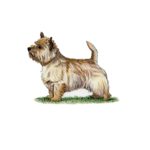
The Norwich Terrier presents a striking combination of small stature and hearty build. Standing ideally around 10 inches (25 cm) at the withers, this breed appears compact but never fragile. The body is short-backed and strong, offering good substance and bone for its size, with a level topline from neck to tail. Their feet are rounded and cat-like, giving a sturdy foundation for energetic movement.
The breed’s unmistakable head features a broad, slightly rounded skull and a well-defined stop. A wedge-shaped muzzle—strong and proportionate—flows into expressive, dark oval eyes that radiate intelligence and keen curiosity. Their hallmark is the perfectly erect ears, set wide apart atop the skull, standing alert when the dog is attentive and folding back when relaxed. A strong neck of moderate length blends smoothly into well-laid shoulders to balance the compact frame.
The Norwich Terrier has a hard, wiry, straight coat that lies close to the body, with a dense undercoat for protection from the elements. Longer, rougher hair forms a ruff around the neck, while the hair on the head and ears is short and smooth save for some whiskers and pronounced eyebrows. Acceptable coat colors include all shades of red, wheaten, black and tan, and grizzle, with occasional white markings or patches also tolerated. The overall impression is of a dog that is ready for work—alert, keen, and lively, yet approachable and charming in appearance.
Temperament & Behavior
The Norwich Terrier is famous for its “gay and fearless” nature, a temperament embodied in day-to-day life. Always ready for action, this breed will bring warmth, humor, and a spark of mischief to its family. At home, they are gentle and loving companions who seek to be involved in every aspect of household activity, delighting in quality time with their people.
Their roots as terriers bred to hunt vermin are evident in their tenacity and independence, but unlike some terrier breeds, the Norwich is not quarrelsome. Instead, they display a lovable, outgoing disposition topped with energetic curiosity. They generally interact well with children—especially when kids are taught to treat the dog respectfully—and can be good pals for other pets when introduced properly.
While their bravery is limitless for their size, Norwich Terriers are not aggressive. They are, however, alert and will vocalize when they notice something unusual, serving as effective, if diminutive, watchdogs. With proper socialization, they remain friendly and approachable, fitting effortlessly into social environments and blending adaptability with their terrier spunk. Owners should be ready for a dog with enthusiasm for play and a knack for getting into mischief—terrier traits that keep life interesting and fun.
Care & Living Needs for the Norwich Terrier
The Norwich Terrier’s compact build suits both apartment living and houses with modest gardens. As long as there are daily walks and chances to play, these dogs adapt well to many environments. Typically, up to one hour of exercise per day is sufficient, divided into walk time and play sessions. A small or medium-sized garden is ideal but not strictly necessary if mental stimulation and regular outings are provided.
The breed’s wiry, medium-length coat needs brushing more than once a week to remove dead hair and prevent matting, especially around the neck ruff. Norwich Terriers do shed, though routine grooming can minimize this. Occasional hand-stripping may be recommended for maintaining optimal coat texture and appearance. Attention to ear cleanliness, dental care, and nail trimming will keep the dog comfortable and healthy.
Mental stimulation is a must for this intelligent breed. Norwich Terriers excel at puzzle toys, scent games, and engaging training sessions. They respond well to positive reinforcement and enjoy learning new tricks or participating in organized activities. Owners who are frequently absent or distracted by long work schedules may find this breed becomes bored or mischievous, so they are best for homes where someone is present most of the time.
This breed is not the best fit for owners seeking a low-activity or largely “hands-off” pet. Norwich Terriers thrive on involvement, stimulation, and a bit of structured attention. Anyone willing to meet their exercise and companionship needs will find them an exceptional, affectionate addition to the household.
Health & Common Issues
No specific breed-related health conditions are highlighted in official descriptions for the Norwich Terrier. As a small but sturdy breed, they tend to enjoy a lifespan of ten years or more when provided with regular care and a healthy lifestyle.
Routine veterinary check-ups, parasite prevention, dental hygiene, and weight management form the backbone of Norwich Terrier health. Their active disposition means it’s important to balance exercise with appropriate rest, especially during extreme weather. Monitoring their coat, skin, and eyes for any irregularities allows for early intervention should issues arise.
Providing high-quality nutrition, safe exercise environments, and mental engagement supports the Norwich Terrier’s overall wellbeing. With attentive care and prompt response to any changes in behavior or appearance, owners can help this energetic breed enjoy a long and happy life.
Official Breed Standard Summary
The official breed standard for the Norwich Terrier describes a keen, active, and hardy little dog, with compact proportions and considerable substance for its size. These dogs should appear well-balanced, strong, and capable of the work they were intended for, with a short back, level topline, and firm, rounded feet. The standard also notes that honorable scars earned through fair wear and tear are not considered faults.
Ideal height at the withers is set at 25 centimeters (10 inches), though individual dogs may be slightly larger or smaller. Acceptable coat colors include various shades of red, wheaten, black and tan, or grizzle, and limited white markings are tolerated, although other color combinations are not. The coat should be hard, wiry, and straight, lying close to the body, with a rough ruff framing the face and short, smooth hair across the head and ears.
Movement should be straight and free, with the forelegs traveling directly forward and the hind legs following their track. Judges and breeders are encouraged to avoid exaggerations or features that could affect soundness or wellbeing. If undesirable characteristics are present—such as unacceptable colors—they should not be rewarded in the show ring.
The breed standard serves as a guideline to preserve function, temperament, and appearance for the Norwich Terrier, ensuring it remains a healthy, active, and typical representative of the terrier group. Prospective owners should understand that individual dogs may differ from the standard’s measurements and descriptions.
Frequently Asked Questions about the Norwich Terrier
Is the Norwich Terrier good for first-time dog owners?
The Norwich Terrier can be a great choice for first-time owners who have time and energy to focus on training and socializing. Their intelligence and friendly disposition make them manageable when provided with clear routines and gentle guidance.
How much exercise does a Norwich Terrier need daily?
This breed thrives on up to one hour of exercise per day. Activities can include walks, supervised play, and interactive games that stimulate their body and mind.
Is the Norwich Terrier good with children?
Norwich Terriers are typically affectionate and playful with children, especially when kids understand how to interact gently. Their sturdy build allows them to keep up with young family members, making them a suitable choice for homes with respectful children.
Can the Norwich Terrier live in an apartment?
Absolutely. With their small size and adaptable nature, Norwich Terriers are well-suited to apartment living, provided they receive daily walks and plenty of interaction.
How much grooming does a Norwich Terrier need?
Norwich Terriers require brushing more than once a week and some occasional hand-stripping to keep their wiry coat healthy. Regular grooming minimizes shedding and keeps the coat in good condition.
Are there common health concerns in this breed?
No specific health issues are emphasized for the Norwich Terrier, but routine vet care, dental hygiene, and weight monitoring remain important. Well-kept Norwich Terriers are generally healthy and long-lived.


