
What Are the Traits and Care Tips for Parson Russell Terriers?
The Parson Russell Terrier is a lively, courageous small dog well suited to active households who want a companion with both a rich heritage and a dynamic spark. Originally developed for fox hunting, this breed thrives with owners who enjoy spending time outdoors and can match the terrier’s zest for play, exercise, and mental stimulation. Its compact size makes it manageable in a variety of living situations, but its bold personality ensures it’s never overlooked.
Whether you’re a single owner looking for a feisty exercise partner, or a family with children seeking an engaging and affectionate pet, the Parson Russell Terrier offers loyalty, intelligence, and entertainment in abundance. With strong roots as a working dog and a cherished place in today’s homes, this terrier rewards knowledgeable, involved owners with devotion and endless character.
- Overview of the Parson Russell Terrier
- Key Characteristics
- Appearance of the Parson Russell Terrier
- Temperament & Behavior
- Care & Living Needs
- Health & Common Issues
- Official Breed Standard Summary
- Frequently Asked Questions
Group: Terrier
Size: Small
Exercise needs: Up to 1 hour per day
Coat length: Short
Grooming: Once a week
Shedding: Yes
Lifespan: Over 12 years
Ideal home type: Small house
Town or country: Either
Garden needs: Small/ medium garden
Overview of the Parson Russell Terrier
The Parson Russell Terrier has a notable history, beginning with Reverend John Russell in the early 1800s, whose terrier “Trump” set the foundation for this energetic breed. Originally bred to pursue foxes and other quarry both above and below ground, the Parson Russell Terrier is renowned for its stamina, athletic build, and bold personality. Owners were drawn to its unique combination of size and ability, ensuring the dog could not only keep up with the hounds but also work fearlessly underground when needed.
Today, the breed still carries much of the working terrier’s drive but has adapted well to life as a family companion. Enthusiasts value both its functional working ability and cheerful character, making it a popular choice for those who appreciate a lively, intelligent dog. Households with a sense of adventure, a love for interactive play, and time for active engagement with their pets will find the Parson Russell Terrier an excellent match.
While its roots are in rural hunts, the breed fits well in both town and country settings, provided its needs for exercise and stimulation are met. Its adaptability, combined with a manageable size, means that a Parson Russell Terrier can bring joy and vibrancy to families, singles, and active couples alike.
Key Characteristics
- Energy level – Exceptionally high; thrives on daily activity and enjoys interactive games.
- Trainability – Intelligent and responsive, though sometimes independent-minded and persistent.
- Intelligence – Quick-witted and adept at learning new tricks and commands.
- Prey drive – Strong; bred for earthwork and hunting, so a reliable recall and careful management are essential outdoors.
- Social needs – Enjoys regular interaction with people and can become bored or mischievous if left alone for long periods.
- Compatibility with families and children – Generally friendly and playful; can be a lively companion for respectful children.
- Compatibility with other dogs – Usually sociable, though some individuals may show assertiveness toward other dogs.
- Guarding or watchdog tendencies – Alert and quick to sound the alarm if something is amiss, though not aggressive by nature.
- Adaptability to city or country life – Well-suited to both environments, as long as exercise and stimulation needs are satisfied.
- Best suited owner type – Active individuals or families willing to provide structured activity, training, and companionship.
- Typical daily routine – Includes brisk walks or play, mental games, training sessions, and plenty of time spent with people.
Appearance of the Parson Russell Terrier
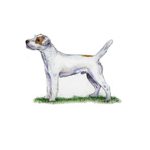
The Parson Russell Terrier presents a balanced, athletic silhouette, built for function rather than exaggeration. With a handy, workmanlike appearance, these terriers are agile and muscular, giving the impression of stamina and energy. Honorably acquired scars from working are considered acceptable in this breed, further highlighting its rugged roots.
The head is distinctly wedge-shaped, with a moderately broad, flat skull that narrows smoothly toward the eyes. Eyes are dark and almond-shaped, carrying a keen, intelligent look. Ears are proportionate, V-shaped, and drop forward so the tips align with the outer corner of the eye. The jaws are strong and the mouth closes in a scissor bite, ideal for its original working purpose. The neck is clean and of good length, blending well into long, sloping shoulders that set the foundation for strong, straight legs and a flexible, robust body.
The chest is of moderate depth and the ribs are well laid-back but not overly rounded, allowing the dog to be “spanned” behind the shoulders by average hands—a must for terriers going to ground. The hindquarters are powerful, with well-developed muscles and a noticeable drive, ideal for both sprinting and endurance.
Coat types vary between rough, broken, or smooth, but all are naturally harsh, dense, and weather resistant with a good undercoat. Typical Parson Russell Terriers showcase predominantly white coats with tan, lemon, black, or a combination of these markings. Markings are preferred on the head and tail base, though some body color is acceptable. The size ideally reaches 14 inches at the withers for dogs and 13 inches for bitches, though balance and soundness take precedence over exact measurements.
Temperament & Behavior
Confident, bold, and friendly best describe the Parson Russell Terrier’s personality. At home, these dogs bring life and happiness into every room with their exuberant antics and inquisitive nature. They are typically upbeat and mischievous, often finding creative ways to entertain themselves and their families.
Rooted in the terrier tradition, these dogs were bred to think independently yet work closely with people. This makes them attentive companions who bond deeply with their owners, but who may occasionally test boundaries or display stubbornness. Workers at heart, their prey drive and alertness are seldom dormant, so responsible management outdoors and structured activities indoors help channel their energy constructively.
Parson Russell Terriers generally enjoy respectful interaction with children, becoming loyal playmates in active households. They can also live harmoniously with other dogs, especially when well socialized from an early age. Their history as earthdogs means they may chase small mammals, so thoughtful introductions and supervision are key with smaller pets.
Watchdog instincts run strong; these terriers are quick to notify their family if something unusual happens nearby. However, their friendliness typically wins out, and excessive aggression is not part of the breed’s character. The breed’s lively disposition means owners should be ready for a mix of warmth, comedy, persistence, and sometimes willful terrier stubbornness.
Care & Living Needs for the Parson Russell Terrier
Active and bright, the Parson Russell Terrier thrives with up to an hour of daily exercise. This should include brisk walks, playtime in a secure outdoor area, and off-leash games where safe and possible. Their exercise needs are manageable but essential; insufficient activity can quickly lead to restlessness or mischief.
The ideal home for this breed is a small house with a small to medium garden, but Parson Russell Terriers are quite adaptable and can comfortably settle in both town and country environments. Even smaller homes can work well if daily exercise and outdoor time are prioritized. A fenced garden is an excellent bonus, providing a safe space for play and exploration.
Grooming needs are moderate. A short, harsh coat requires weekly brushing to remove loose hair and keep the coat clean. The breed does shed, so regular care helps manage fur around the home. Bathing should be kept minimal to preserve the coat’s natural weather resistance, and the coat should never be clipped; instead, allow its natural texture to shine. Occasional nail trims and ear checks are recommended as basic maintenance.
Mental stimulation is just as vital as physical exercise. Parson Russell Terriers excel with training, trick-learning, interactive toys, and games that engage their sharp minds. Positive, consistent training from an early age will help curb any tendencies toward stubbornness or impulsiveness, while regular engagement can prevent boredom-driven behavior.
Owners who are frequently away from home, or prefer a very low-activity pet, may find this breed’s needs challenging. The Parson Russell Terrier is at its best with people who will include it actively in their daily routines and provide guidance, interaction, and outlets for its boundless energy.
Health & Common Issues
The dataset does not highlight any specific breed-wide health conditions for the Parson Russell Terrier. This generally points to a hardy and robust constitution, which is supported by the breed’s working background and selective breeding for soundness and stamina.
Owners should always be attentive to general canine health. Maintaining a healthy weight, providing balanced exercise appropriate to age and fitness, and ensuring yearly veterinary check-ups can support a long and vibrant life. Basic healthcare such as dental hygiene, ear cleaning, and nail care will further protect the dog’s wellbeing.
The natural athleticism and durable coat of the Parson Russell Terrier typically shield it from many environmental issues, though regular monitoring for routine ailments—such as minor injuries, especially for active dogs—remains good practice. Responsible breeders focus on health, temperament, and physical soundness, emphasizing the importance of choosing puppies from reputable sources.
Official Breed Standard Summary
The official breed standard focuses on function, health, and avoidance of exaggeration. Parson Russell Terriers should present a balanced, athletic frame suitable for work, with no physical features that compromise health or sound movement. The standard emphasizes the necessity for correct temperament, structure, and coat, ensuring the breed remains fit for both companionship and purpose.
Size is ideally 14 inches at the withers for males and 13 inches for females, with balance, overall soundness, and the ability to be “spanned” behind the shoulders holding greater importance than strict measurements. The coat can be rough, smooth, or broken, but always dense, harsh, and weather resistant, exhibiting either pure white or white with black, tan, lemon, or tricolor markings—preferably on the head or tail root.
The breed’s movement should appear free, ground-covering, and never artificial, powered by strong hindquarters. Any faults that impact the health and welfare of the dog are discouraged, and only features contributing positively and without excess are desirable. The prepared coat should appear natural, not artificially altered, and male dogs should have two normal testicles fully descended.
The breed standard serves as a guideline for ideal form and function, but slight variations in size and appearance do occur. Prospective owners should focus not just on aesthetics, but also on fitness, temperament, and suitability for their lifestyle when selecting a Parson Russell Terrier.
Frequently Asked Questions about the Parson Russell Terrier
Is the Parson Russell Terrier good for first-time dog owners?
This breed is intelligent and eager to please but can be quite independent and energetic. First-time owners who are committed to training, exercise, and involvement will find them rewarding, though passive owners may struggle with their lively temperament.
How much exercise does a Parson Russell Terrier need daily?
The Parson Russell Terrier benefits from up to one hour of exercise each day. This can include walks, play sessions, and activities that stimulate both mind and body.
Is the Parson Russell Terrier good with children?
These terriers are typically friendly and playful, making them good companions for families with children. As with any breed, interactions should be supervised, especially with younger children, to ensure gentle handling on both sides.
Can the Parson Russell Terrier live in an apartment?
While their small size allows for apartment living, these terriers require ample daily exercise and regular outdoor activity. Apartment dwellers should have access to parks or safe outdoor spaces to meet the dog’s needs.
How much grooming does a Parson Russell Terrier need?
Grooming is straightforward, with a once-a-week brushing generally sufficient to maintain their harsh, weather-resistant coat. While they do shed, basic care helps keep this manageable.
Are there common health concerns in this breed?
No specific widespread health issues are noted for the Parson Russell Terrier. As with all breeds, routine vet checks and attentive care help ensure lasting vitality and well-being.


