
What Are the Traits and Care Tips for Scottish Terriers?
The Scottish Terrier, known affectionately as the “Scottie,” is the quintessential small terrier with a big personality. This breed appeals to those seeking a loyal companion that’s both dignified and full of character, making it a favorite among individuals, couples, and families looking for a steadfast and intelligent pet. With its origins rooted in hunting vermin across the rugged Scottish countryside, the Scottie combines a sturdy build with a spirited, independent spirit suited to owners who appreciate a dog with both confidence and character.
Renowned for its unmistakable silhouette and wiry double coat, the Scottish Terrier fits seamlessly into a variety of homes, whether in the city or the country. Its manageable size makes it ideal for small houses, while its historic role as a hunter ensures that it brings alertness and determination to family life. Those drawn to the Scottie will find a dog that is both highly intelligent and steadfast, with a proud demeanor that matches its longstanding reputation.
- Overview of the Scottish Terrier
- Key Characteristics
- Appearance of the Scottish Terrier
- Temperament & Behavior
- Care & Living Needs
- Health & Common Issues
- Official Breed Standard Summary
- Frequently Asked Questions
Group: Terrier
Size: Small
Exercise needs: Up to 1 hour per day
Coat length: Long
Grooming: Every day
Shedding: Yes
Lifespan: Over 10 years
Ideal home type: Small house
Town or country: Either
Garden needs: Small/ medium garden
Overview of the Scottish Terrier
The Scottish Terrier is a symbol of Scottish heritage, known for its courageous spirit and unmistakable silhouette. Originally bred to pursue foxes, badgers, and other vermin underground in the rugged landscapes of Scotland, this breed developed the agility, determination, and independence needed for such challenging work. Early enthusiasts recognized its potential; during the 19th century, dedicated breeding refined the Scottie’s type, leading to its official acknowledgement as the Scottish Terrier and the creation of its breed club and formal standard.
Despite its historical working roots, the Scottie swiftly found favor among families and individuals alike, admired for its sturdy frame, sharp intelligence, and loyal disposition. The breed has always been more than just a vermin hunter; it is a devoted companion with a unique blend of independence and faithfulness. For owners seeking a dog with a robust constitution, a proud carriage, and a lively, thoughtful nature, the Scottish Terrier makes a distinguished addition to any household.
This breed is ideal for those who appreciate a dog with character and wit, and who aren’t fazed by a touch of stubbornness. Adaptable to both town and country life, the Scottie thrives with owners who can offer daily activity, mental stimulation, and clear guidance. Their compact size means they fit well into smaller homes, provided their minds and bodies are engaged, and their sturdy build suits the active and attentive handler.
Key Characteristics
- Energy level – Moderately active and agile, requiring daily walks and playtime.
- Trainability – Intelligent yet independent; benefits from consistent, patient training.
- Intelligence – Exceptionally bright, often thinking for themselves and quick to learn.
- Prey drive – Historically strong, as the breed was developed to hunt foxes and badgers.
- Social needs – Affectionate with family, yet reserved with strangers and in new situations.
- Compatibility with families and children – Generally loyal and tolerant with well-behaved children.
- Compatibility with other dogs – Can be selective; early socialization is recommended for multi-dog households.
- Guarding or watchdog tendencies – Highly alert and likely to sound the alarm when something is amiss.
- Adaptability to city or country life – Suits both environments when exercise needs are met.
- Best suited owner type – Individuals or families seeking a spirited, dignified, and manageable-sized companion.
- Typical daily routine – Relishes a mix of adventure and relaxation: daily walks, play, and quiet time alongside their humans.
Appearance of the Scottish Terrier
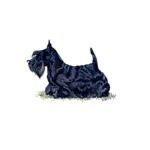
The Scottish Terrier is a compact, well-built dog that packs surprising power into a small frame. Standing about 10 to 11 inches at the withers and weighing 19 to 23 pounds, this breed is distinctly short-legged with a substantial, well-boned body. Its iconic outline is easy to recognize—a long head, erect pointed ears, and a tail carried upright all contribute to a profile that is both dignified and agile.
The head of the Scottie is notably long in proportion to its overall size, featuring a nearly flat skull, strong jaws, and a deep, well-defined foreface. Almond-shaped, dark brown eyes sit under pronounced eyebrows, imparting a keen and intelligent expression. The pointed, fine-textured ears are set high and add alertness to the breed’s look, while a muscular neck transitions smoothly into sloping shoulders and a solid, straight-backed body.
The Scottie’s coat is both practical and distinctive. It boasts a double coat—a short, soft, dense undercoat beneath a harsh, wiry, weather-resistant outer layer. This textured coat creates a striking appearance while offering protection from the elements. Recognized colors include black, wheaten, and shades of brindle, reflecting its Scottish roots. Feet are compact and well-padded, with forefeet slightly larger than hindfeet, suited for digging and navigating rough terrains.
Overall, the Scottie’s appearance is one of strength, agility, and readiness—all compressed within a manageable, sturdy, and charming physique.
Temperament & Behavior
The temperament of the Scottish Terrier is marked by boldness, self-assurance, and a reserved but loyal nature. At home, the Scottie is neither aggressive nor overbearing but exudes quiet confidence and a dignified demeanor. Owners often find them to be devoted companions, forming close bonds with family members and displaying affection in their own, sometimes understated, way.
This breed reflects its terrier roots: highly intelligent, purposeful, and just a bit stubborn. While the Scottie may seem somewhat aloof with strangers, it remains deeply connected and protective of its family. Its reserved side does not preclude courage—this is a breed that stands firm when needed but prefers not to seek out confrontation unnecessarily.
Interaction with children is generally positive, especially if children are taught to respect the dog’s independence. While not known as a rough-and-tumble playmate, the Scottie appreciates gentle, confident handling and will repay that respect with steadfast loyalty. With other dogs, the breed can display selective tolerance; early and consistent socialization is recommended to ensure harmonious multi-dog households.
With a strong prey drive and alert nature, Scotties excel as watchdogs. They are quick to alert owners to unusual activity and can be quite vocal when something catches their attention. Their independent spirit means they may weigh their options before obeying commands, making a patient and savvy owner a real asset.
Care & Living Needs for the Scottish Terrier
Scottish Terriers require up to one hour of exercise per day, balancing brisk walks with opportunities for play and exploration. Despite their history as robust workers, their energy levels fit comfortably into both small homes and larger properties, provided their needs for activity and stimulation are met. A small to medium garden offers a perfect environment for a Scottie to sniff, patrol, and stretch its legs, but city living is also suitable if walks are routine.
The Scottie’s wiry, long coat calls for daily grooming to prevent matting and maintain its protective qualities. Regular brushing and occasional professional hand-stripping are part of the grooming routine, particularly given the breed’s tendency to shed. While the double coat is weather-resistant, diligent grooming keeps the undercoat healthy and the outer coat looking distinctively sharp.
Mental engagement is vital, as this intelligent breed thrives on learning and problem-solving activities. Short, positive training sessions work best, harnessing the Scottie’s independent streak without triggering stubbornness. Varied toys, scent games, and interactive play are effective ways to keep their mind sharp and prevent boredom-driven mischief.
This breed may not be ideal for those who wish for a laid-back, undemanding companion or who desire complete off-leash reliability in unsecured areas. Potential owners should be ready to invest time in daily grooming and to enjoy the rewards of a spirited, sometimes stubborn, but utterly faithful friend.
Health & Common Issues
The dataset does not specify particular health concerns associated with the Scottish Terrier, yet general good practices apply for maintaining this breed’s wellbeing. Their sturdy build and active disposition mean that, with regular veterinary check-ups and a balanced lifestyle, Scotties often enjoy a lifespan of over 10 years.
Responsible owners will want to monitor the condition of their Scottie’s coat and skin, teeth, and overall wellbeing. Regular grooming sessions offer an excellent opportunity to check for lumps, bumps, or abnormalities. Routine dental care and periodic health screenings further contribute to a long, healthy companionship.
As with all dogs, maintaining a lean body weight, providing nutritious food, and offering exercise suited to the Scottie’s age and physical condition are foundational for good health. Observing for any signs of discomfort during activity or changes in behavior will help owners catch any problems early and allow them to provide the care needed for this independent and loyal breed.
Official Breed Standard Summary
The official breed standard for the Scottish Terrier describes the ideal in terms of temperament, build, and coat. The Scottie is expected to be thick-set, agile, and powerfully constructed yet not excessively heavy, embodying both strength and activity. A straight and level topline, deep chest, and a compact, short body are hallmarks of the standard, while the brisk stride and upright carriage reflect the breed’s working heritage.
Key features of the Scottie include a long head with equal proportions between skull and foreface, expressive almond-shaped eyes, and erect, pointed ears. The mouth features a regular scissor bite, with large, strong teeth. The distinctive double coat—soft and dense underneath, harsh and wiry on top—serves as a weather-resistant shield, and only black, wheaten, or brindle shades are considered correct for the breed. The official standard discourages any exaggerations or traits detrimental to wellbeing, emphasizing overall soundness and health above mere appearance.
Movement is described as smooth, free, and with a level gait, and the breed’s general impression should always remain one of vitality and purpose. Faults—such as features that negatively affect soundness or comfort—are weighted according to their impact on the dog’s health and welfare. Prospective puppies may vary in size compared to the ideal, as the measurements in the official description serve as a guideline rather than rigid requirements.
The standard also indicates that male dogs should have two descended testicles. This clear, practical summary ensures the long-term health, function, and dignity of the Scottish Terrier, whether as a companion or as an example in the show ring.
Frequently Asked Questions about the Scottish Terrier
Is the Scottish Terrier good for first-time dog owners?
The Scottish Terrier can be suitable for first-time owners who are prepared for an independent-minded dog. While highly intelligent and trainable, Scotties have a proud and sometimes stubborn streak that benefits from patient, consistent guidance.
How much exercise does a Scottish Terrier need daily?
This breed enjoys up to an hour of activity each day, including walks, playtime, and some outdoor exploration. Providing both physical and mental stimulation helps keep them fit and content.
Is the Scottish Terrier good with children?
Scottish Terriers are generally loyal and tolerant with well-behaved children. As with any breed, supervising interactions and teaching children to respect the dog’s space can lead to a stronger, safer bond.
Can the Scottish Terrier live in an apartment?
The Scottie adapts well to apartment living, as long as its daily exercise requirements are met. Access to a small or medium garden is a bonus, but not essential for their wellbeing.
How much grooming does a Scottish Terrier need?
Daily grooming is recommended for the Scottish Terrier’s long, double-layered coat. Regular brushing prevents matting and shedding, and occasional professional grooming may be helpful to maintain its signature look.
Are there common health concerns in this breed?
The dataset does not list specific health issues for the Scottish Terrier. Good preventive care, regular vet visits, and monitoring for changes in health are the best ways to keep them thriving.


