
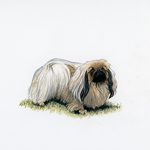
What Are the Traits and Care Tips for Pekingese Dogs?
The Pekingese is a small dog breed renowned for both its aristocratic charm and its deeply loyal character. Compact yet surprisingly sturdy, this breed is an excellent choice for individuals or families seeking a devoted companion rather than a highly energetic sporting dog. The Pekingese thrives in loving homes where patience and an appreciation for unique personalities go a long way. Its distinctive appearance and rich history make it ideal for those attracted to elegance and independent spirits.
Known for their regal ancestry and dignified presence, Pekingese dogs have long been valued as companion animals, particularly among people who enjoy a calm, affectionate, and somewhat self-contained pet. These dogs adapt well to apartment living, but their bold and alert nature means they are never short on personality. If your household can accommodate daily grooming and values a pet with unmistakable character, the Pekingese may fit perfectly into your life.
- Overview of the Pekingese
- Key Characteristics
- Appearance of the Pekingese
- Temperament & Behavior
- Care & Living Needs
- Health & Common Issues
- Official Breed Standard Summary
- Frequently Asked Questions
Group: Toy
Size: Small
Exercise needs: Up to 30 minutes per day
Coat length: Long
Grooming: Every day
Shedding: Yes
Lifespan: Over 12 years
Ideal home type: Flat/ Apartment
Town or country: Either
Garden needs: Small/ medium garden
Overview of the Pekingese
The Pekingese breed carries a rich, imperial history dating back to the Tang Dynasty of China. Revered for centuries as the favored companion of Chinese nobility, these dogs were carefully bred within the walls of the Imperial Palace in Peking (now Beijing). Their distinctive appearance and poised demeanor reflected their elite status, and for a long time, ownership was restricted solely to the royal court. The Pekingese became a living symbol of elegance, refinement, and exclusivity, never far from the laps of emperors and empresses.
After entering Europe in the mid-19th century, when the British army brought several dogs home following the ransacking of Peking in 1860, the breed quickly garnered popularity among Queen Victoria and the social elite of Victorian times. Their unique blend of confidence, independence, and stately bearing set them apart at dog shows and in fashionable homes alike. However, the breed’s demands for regular grooming and dedicated care have contributed to a quieter profile in recent years, making the Pekingese a hidden gem for those willing to invest the time and attention they require.
Best suited to households that appreciate a low-exercise yet deeply engaging companion, the Pekingese can thrive in both urban apartments and homes with small to medium gardens. This breed is for those who value companionship with a pet full of spirit and history, yet who can understand and maintain their grooming and wellness needs.
Key Characteristics
- Energy level – The Pekingese is generally calm with moderate energy, requiring only light daily exercise.
- Trainability – This breed can show stubbornness, making early socialization and patient training essential.
- Intelligence – Highly alert and intelligent, often quick to spot changes in their environment.
- Prey drive – Pekingese tend to have a low prey drive, and seldom show high chase instincts.
- Social needs – They bond closely with their favorite humans but can be aloof with strangers.
- Compatibility with families and children – Best with gentle, respectful children who understand boundaries.
- Compatibility with other dogs – Can coexist with other dogs, though their prideful nature sometimes leads to selective friendships.
- Guarding or watchdog tendencies – Naturally alert and vocal, making them surprisingly effective at announcing visitors.
- Adaptability to city or country life – Adjusts well to either environment, thriving with attention and routine regardless of location.
- Best suited owner type – Ideal for owners who appreciate independent character and are happy to provide daily grooming.
- Typical daily routine – Involves several short walks, play sessions, and plenty of lap time indoors.
Appearance of the Pekingese
The Pekingese presents as a small, solid, and well-balanced dog with a distinct air of dignity. While appearing compact, they carry a surprising weight, thanks to heavy bone structure and a well-built body. Their general outline is moderately thickset, with a noticeable broad chest, firm underjaw, and pronounced waist. The overall impression is one of confidence and self-possession, highlighted by a signature rolling gait that adds to their dignified presence.
This breed features a relatively large, flat skull that’s wider than it is deep, complemented by clear, dark, lustrous eyes that are round but not overly large. The ears are heart-shaped, set level with the skull, carried close to the head, and adorned with long, lavish feathering. The muzzle is short and wide, but not so much as to obscure a well-defined chin or cause any health issues. Their nose is broad with open nostrils, and firm underjaw, always with essential black pigment on the nose, lips, and eye rims.
The Pekingese coat is one of its most defining features: long, straight, and forming a regal mane that frames the neck and shoulders. The top coat is coarse, while the undercoat remains thick and soft, complemented by generous feathering on the ears, legs, tail, and toes. Despite the impressive mane, the coat should never be so excessive that it impairs movement or hides the dog’s essential shapes. Typical coat colors range across a broad palette—black, red, cream, white, bridle patterns, and many others—while all colors and markings are of equal merit according to the breed standard, except for albino, liver, or merle which are not acceptable.
Size-wise, Pekingese dogs ideally weigh no more than 11 to 12 pounds, with a compact body that feels heavier than it appears. Their tails are set high, carried slightly curved over the back and furnished with long, flowing feathering. The breed standard emphasizes absolute soundness: a Pekingese should move comfortably and breathe freely, without exaggerated coat or compromised structure.
Temperament & Behavior
The Pekingese is known for its leonine disposition—fearless, loyal, and carrying itself with an unmistakable self-assurance. These dogs are alert to their surroundings and quick to announce new arrivals, yet not prone to aggression. Instead, they favor a dignified, slightly aloof stance, particularly with strangers or in unfamiliar settings.
This breed forms intensely strong bonds with its favorite people, often selecting a primary human to shower with devotion. Affectionate at home, they are happiest nestled into the comforts of family life. While they integrate well with gentle, older children who understand personal boundaries, they can be reserved around boisterous youngsters or other pets unless early socialization is emphasized. Their independent streak means they may take time to warm up to visitors or new situations but remain deeply loyal once trust is established.
The Pekingese belongs to the Toy group, a category of dogs originally bred as companion animals. As such, they thrive on attention but may not crave or tolerate rough handling. They excel as lap dogs and often show a preference for the quieter moments spent close to their favorite person, which can sometimes come across as stubbornness or a certain finickiness about routines and food. This makes them particularly suited to individuals or families who can respect their unique habits and wish for a dog with discernible personality.
For those seeking a clever, observant, and affectionate friend who is content with calm evenings and manageable exercise, the Pekingese has much to offer. At the same time, their independent spirit requires owners to establish mutual respect through consistent boundaries and gentle guidance, especially during early training sessions.
Care & Living Needs for the Pekingese
Pekingese need only a moderate amount of daily exercise, generally satisfied with two to three short walks or playful sessions each day. Up to 30 minutes of gentle activity keeps them comfortable and maintains their healthy weight. Owing to their compact size and moderate exercise requirements, they are wonderfully suited to apartment or flat living, though access to a small or medium-sized garden is always a benefit for a change of scenery and sniffing opportunities.
Grooming is a significant part of caring for a Pekingese. Their long, dense double coat requires daily brushing to avoid matting and tangling, and they do shed, so regular upkeep is essential to maintain coat quality and reduce loose hair around the home. Attention should also be paid to the feathering on ears, legs, and tail, which needs gentle combing to prevent knots. Routine hygiene practices—like cleaning ears, eyes, and face folds—are important for their well-being too.
While Pekingese are not particularly demanding in terms of space, they do require mental stimulation. Engaging toys, short training activities, and interactive play help keep their curious minds active, given their keen intelligence and alertness. Positive reinforcement methods paired with gentle patience are best, as harsh or repetitive training rarely yields results with this breed’s independent temperament.
The Pekingese may not be the best choice for people who dislike daily grooming routines, want a highly trainable companion, or those who are rarely home. Their preference for companionship, combined with their coat care needs, means they are happiest with owners prepared to provide structure, affection, and consistent attention.
Health & Common Issues
Pekingese have a distinct head shape described as brachycephalic, meaning their faces are flattened with shortened muzzles. While this contributes to their endearing appearance, it can also lead to certain health sensitivities, particularly related to breathing. Some may exhibit noisy or heavy breathing, especially during strenuous activity or hot weather. Open, well-formed nostrils and a muzzle of reasonable length are important to minimize these tendencies, and care should be taken not to encourage exaggeration of these features.
Owners should be attentive to possible respiratory issues, providing an environment that avoids overheating and excessive exercise in hot or humid conditions. While eye concerns are less common in those with healthy, well-bred individuals, the Pekingese’s facial structure requires routine checks to ensure clear, problem-free eyes and comfort around facial wrinkles and skin folds.
Dental hygiene and regular veterinary visits play a crucial role in maintaining a Pekingese’s overall health. Monitoring weight, keeping the coat and skin clean, and ensuring ears and teeth are checked regularly all contribute to keeping this breed thriving beyond 12 years. Balanced nutrition and moderated exercise routines support their joint and general well-being throughout life stages.
Official Breed Standard Summary
The official breed standard for the Pekingese outlines an ideal dog of small size, well-balanced proportions, and a sturdy, surprisingly heavy body for its stature. The breed’s dignified demeanor and overall quality are considered essential, as is ensuring that soundness, comfort, and natural movement are never compromised. Any sign of respiratory distress or movement hindered by excessive coat is considered unacceptable. Dogs should never be excessively coated, and their rolling, purposeful movements must be free and healthy.
Key points include a large, flat head; expressive, round dark eyes; a defined, wide muzzle; and heart-shaped ears set level with the skull. The mouth should display firm underjaw without teeth or tongue visible. A moderately long mane creates a cape around the neck and shoulders, accentuating the breed’s regal presence. The coat’s length and volume should highlight, not obscure, the dog’s shape, with topcoats coarse yet undercoats soft and dense. Excessive, heavy coats that impede movement or weigh the dog down are discouraged.
All coat colors and markings—except albino, liver, or merle—are acceptable, fostering a wide range of visual variety among well-bred Pekingese. Males are expected to have two normally descended testicles. The breed standard also notes that size descriptions are guides; some Pekingese may fall outside the suggested weight range while still being healthy and true to type.
Faults are judged according to how they might impact a dog’s happiness or health. Above all, the standard emphasizes moderation and well-being—no quality should ever threaten the Pekingese’s welfare or impair his signature carriage and charm.
Frequently Asked Questions about the Pekingese
Is the Pekingese good for first-time dog owners?
Pekingese can make a wonderful companion for first-time owners who are willing to commit to daily grooming and set patient, consistent routines. Their independent personality requires an owner who appreciates a self-assured, sometimes stubborn dog.
How much exercise does a Pekingese need daily?
This breed requires up to 30 minutes of light exercise each day, typically satisfied by a few short walks and indoor play. High-intensity activities are not necessary and should be avoided in hot weather.
Is the Pekingese good with children?
Pekingese are best suited to families with older, respectful children who understand the dog’s need for gentle handling. Their independent and proud nature means they may not tolerate rough play or overly boisterous environments.
Can the Pekingese live in an apartment?
The Pekingese is an excellent choice for apartment living, thanks to its small size, moderate energy, and adaptability. Access to a small garden is appreciated but not essential for their happiness.
How much grooming does a Pekingese need?
Daily brushing is necessary to keep the Pekingese’s long double coat in top condition and to prevent matting and shedding issues. Special attention should be paid to the feathering on ears, legs, and tail.
Are there common health concerns in this breed?
Pekingese may experience breathing difficulties due to their flat faces and short muzzles. Attentive care, avoiding extreme features, and regular veterinary checks will help address most health needs and support a long, happy life.


