
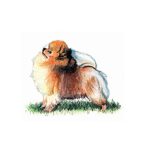
What Are the Traits and Care Tips for Pomeranians?
The Pomeranian stands out as a delightful companion, adored for its enchanting appearance and spirited personality. This breed is well suited to those seeking a lively, intelligent, and affectionate dog that thrives on human interaction. Whether you live in a city apartment or a suburban home, the Pomeranian’s compact size and adaptability make it an excellent choice for various lifestyles, especially for individuals and families looking for a loyal lapdog and an engaging presence in the home.
With its bright eyes, plush double coat, and extroverted character, the Pomeranian excels as a companion animal. The breed’s vivacity and intelligence are matched by its unique history, having gained early celebrity through royal favor. Owners are drawn not only to the breed’s looks but also to its social nature, playful attitude, and ability to bond closely with people. The Pomeranian is a toy breed that brings energy, charm, and companionship to any home willing to embrace its bold personality.
- Overview of the Pomeranian
- Key Characteristics
- Appearance of the Pomeranian
- Temperament & Behavior
- Care & Living Needs
- Health & Common Issues
- Official Breed Standard Summary
- Frequently Asked Questions
Group: Toy
Size: Small
Exercise needs: Up to 30 minutes per day
Coat length: Medium
Grooming: More than once a week
Shedding: Yes
Lifespan: Over 12 years
Ideal home type: Flat/ Apartment
Town or country: Either
Garden needs: Small/ medium garden
Overview of the Pomeranian
The Pomeranian, a member of the Toy group, is the smallest representative of the spitz family. Its roots trace back to larger German Spitz dogs, but selective breeding sculpted this breed into a compact, lively companion prized for its beauty and charisma. The breed gained remarkable popularity after being adopted by British royalty in the late 19th century, notably becoming a favorite of Queen Victoria. This royal endorsement contributed significantly to the Pomeranian’s enduring appeal.
Today, the Pomeranian is famous for its vivacious spirit, intelligence, and beautiful double coat. Its endearing stature and bright expression make it a standout among toy breeds. The Pomeranian thrives in the role of a companion, delighting in the company of its people and demonstrating both affection and alertness. Despite its dainty size, the breed boasts an assertive and sometimes bold personality, displaying notable confidence in a petite package.
This breed is best for attentive owners seeking a responsive and lively housemate. Its adaptability suits various living situations, from cozy apartments to homes with small gardens. Socially oriented and emotionally expressive, the Pomeranian often forms strong bonds with family members, making it a cherished presence in any home willing to nurture its energetic temperament.
Key Characteristics
- Energy level – Pomeranians are spirited and active, though their small size means they do not require excessive physical exercise.
- Trainability – They are intelligent and quick to learn, making training sessions both engaging and rewarding.
- Intelligence – Highly intelligent, Pomeranians excel in learning new tricks and responding to interactive play.
- Prey drive – With their spitz lineage, some may show curiosity or chase smaller animals, but their small size limits their instincts.
- Social needs – Pomeranians crave attention and companionship, often attaching closely to their chosen humans.
- Compatibility with families and children – Generally good with respectful children, though supervision is recommended due to their small stature.
- Compatibility with other dogs – They usually coexist well with other dogs, especially when socialized early.
- Guarding or watchdog tendencies – Despite their size, Pomeranians make excellent little watchdogs, alerting owners to new arrivals or sounds.
- Adaptability to city or country life – Equally content in apartments or homes with small gardens, the breed adapts well to varied environments.
- Best suited owner type – Ideal for singles, couples, or families who have time to provide interaction and stimulation.
- Typical daily routine – Includes short walks, playtime, regular grooming, and plenty of social interaction at home.
Appearance of the Pomeranian
The Pomeranian is renowned for its compact, well-proportioned body and alert presence. With a frame that is both short and sturdy, these dogs project a sense of confidence and buoyancy. Males typically weigh between 4 and 4½ pounds, while females often range from 4½ to 5½ pounds. Their facial structure gives a foxy impression, featuring a slightly flat skull, a well-defined muzzle that tapers gracefully, and expressive, bright eyes that showcase their intelligence.
Ears are small, set well on the head, and carried perfectly erect, contributing to their attentive look. The breed has a strong jaw with a perfect scissor bite, and the neck is rather short, merging seamlessly into well-laid-back shoulders. Their fine-boned, straight forelegs and compact, cat-like feet all reinforce the impression of daintiness paired with strength. The body is rounded and ribbed, with a high-set, plumed tail that arches over the back, forming one of the Pomeranian’s signature features.
The coat is a defining trait: a plush double layer with a soft, fluffy undercoat beneath a long, straight, harsh-textured outer coat. Around the neck and chest, the hair forms a striking frill, while feathering appears on the legs and hindquarters. Coloration is varied, with permissible whole colors like white, black, brown, blue, orange, cream, beaver, and several shades of sable. Pomeranians may also come in parti-color variations, where colored patches appear on a white background. Notably, certain color combinations or markings are considered less desirable in show standards.
Overall, the Pomeranian presents an intelligent, animated appearance with abundant hair, a confident stance, and a lively expression that sets it apart in the toy group.
Temperament & Behavior
Pomeranians exemplify the vivacious, dainty character typical of the toy breeds. They are extroverted, lively, and highly intelligent, thriving on the social connection with their owners. These dogs are known for their bright outlook, eager participation in family activities, and the ability to form lasting attachments with their people. At home, a Pomeranian’s inquisitive nature means they are often found observing or engaging with their surroundings.
The breed reacts warmly to positive attention and enjoys being included in daily routines, though their alertness can sometimes translate to vocalizations when strangers approach the home. Despite their small frame, Pomeranians carry themselves with great self-assurance and often exhibit guardianship instincts, alerting their families to anything out of the ordinary. Their affection is directed strongly toward their household, and they can be prone to becoming quite attached to a particular person.
Being part of the Toy group, Pomeranians are expected to be friendly and charming. They usually get along with other pets if introduced properly, but, like with all small breeds, care should be taken with very young children to protect the dog from unintentional rough handling. Their intelligence shines in training and interactive play, though a streak of independence may occasionally show. Engaging their minds and providing social interaction is the key to a happy and well-behaved Pomeranian.
While Pomeranians bring boundless personality and joy into their homes, those considering the breed should be aware that their lively nature and need for attention require a dedicated, patient, and nurturing environment.
Care & Living Needs for the Pomeranian
Despite their lively disposition, Pomeranians have modest exercise requirements. Around 30 minutes of daily activity is generally sufficient, making them an excellent match for individuals or families with less time or space for long walks. Their compact size allows them to thrive in flats, apartments, or homes with small to medium gardens, and they easily adapt to both urban and rural settings.
Pomeranians have a double coat with a fluffy underlayer and a longer, harsher outer coat. This splendid coat requires brushing more than once a week to prevent matting and manage shedding. Regular combing not only keeps the coat looking its best but also strengthens the bond between owner and dog. Shedding is to be expected, and during seasonal changes, more frequent grooming may be necessary.
Mental stimulation is just as vital as physical exercise for this intelligent breed. Training sessions, puzzle toys, and interactive play help prevent boredom and keep behavior in check. Consistency and patience yield excellent results, as Pomeranians are quick learners but may have an independent streak. Socialization with people and other dogs from a young age ensures a well-rounded temperament.
Given their delicate frame, Pomeranians are not the best choice for households with very young children who may play roughly, or for those seeking a dog who enjoys extended periods outdoors or strenuous activities. Those who travel frequently or are often away from home may find a more independent breed better suited to their lifestyle. The Pomeranian thrives in environments where it can spend ample time with its humans and be included in the bustle of daily life.
Health & Common Issues
Pomeranians are generally robust little dogs with an expected lifespan of over 12 years when properly cared for. While the dataset provides no specific health issues, as with all breeds, it is wise to schedule regular veterinary checkups to maintain overall wellness. Routine monitoring of weight is important, as these small dogs benefit from a healthy diet and regular, appropriate exercise to avoid obesity-related problems.
Owners are encouraged to keep an eye on coat and skin health, monitor dental hygiene by providing suitable chew toys and regular checks, and ensure that vaccinations and preventative care are maintained. Early socialization, mental engagement, and a balanced lifestyle contribute greatly to the breed’s quality of life.
With attentive care and a proactive health routine, most Pomeranians enjoy many happy years as energetic and beloved companions. Always consult your veterinarian for tailored advice regarding vaccinations, grooming, feeding, and preventative health care for your Pomeranian.
Official Breed Standard Summary
The official breed standard for the Pomeranian describes a dog that is compact and short-coupled, exuding both intelligence and presence. Emphasis is placed on overall soundness, avoiding any exaggerated features that might compromise the dog’s health or welfare. The Pomeranian should move freely with brisk, buoyant steps, and carry itself with a lively, alert demeanor.
Coat and coloration are distinctive for the breed. Pomeranians possess a thick undercoat topped by a longer, straight, and harsh-textured outer coat, with especially abundant hair around the neck, shoulders, and chest forming a dramatic frill. Acceptable whole colors include white, black, brown, blue, orange, beaver, and cream, as well as several sable variations. Some parti-color and shaded sable examples are allowed under certain guidelines, though whole-colored specimens are generally preferred in the show ring. Undesirable color combinations, such as merle or specimens with white or tan markings (other than specified parti-colors), are excluded from the standard.
The ideal weight ranges from 4 to 5½ pounds, depending on sex. Judging faults and deviations from the standard are weighted by their effect on the dog’s health and function, rather than cosmetic issues alone. The breed standard also specifies proper dental alignment, tail carriage, and overall body ratios that contribute to the Pomeranian’s unmistakable look.
For those considering a puppy, it’s important to note that size guidelines represent an ideal and some variation in individual dogs is natural. Prospective owners should prioritize health, temperament, and welfare above strictly adhering to size or color preferences outlined in the standard.
Frequently Asked Questions about the Pomeranian
Is the Pomeranian good for first-time dog owners?
The Pomeranian can be a suitable choice for first-time owners who are ready to invest time in training, grooming, and providing daily interaction. Their intelligence makes them responsive students, but their independent streak requires patient, consistent handling.
How much exercise does a Pomeranian need daily?
Pomeranians need up to 30 minutes of daily exercise. This can be achieved with short walks and active play sessions, making them conveniently suited to owners with a busy lifestyle or limited space.
Is the Pomeranian good with children?
Generally, Pomeranians are affectionate and friendly with children who are taught to interact gently. Because of their small size, supervision is advised to prevent accidental injury during play with young or energetic children.
Can the Pomeranian live in an apartment?
Yes, the Pomeranian is highly adaptable and can thrive in an apartment setting. Their small stature and moderate exercise needs make them an excellent choice for urban living, as long as they receive ample attention and stimulation.
How much grooming does a Pomeranian need?
The breed requires regular grooming due to its double coat. Brushing several times per week is recommended to manage shedding and avoid tangles, especially during seasonal coat changes.
Are there common health concerns in this breed?
While the Pomeranian is generally robust, regular vet checkups, proper dental care, and a balanced diet help ensure good health. Owners should remain watchful for any signs of discomfort or changes in appearance and consult a veterinarian as needed.


