
What Are the Traits and Care Tips for Pugs?
The Pug is a small yet substantial companion dog, well-suited for those seeking a bright, affectionate, and sociable canine to share their lives with. Known for their charismatic faces, sturdy bodies, and remarkable personalities, Pugs thrive in homes where they can be close to their people; they are made for indoor life rather than the outdoor independence some other breeds prefer. Whether you’re a single professional, part of a bustling family, or an older couple seeking a lapdog, the Pug’s adaptable nature finds its place almost anywhere there’s love and attention.
This breed has a long-standing reputation as a true companion animal, with ties to royalty and aristocratic circles across continents. Today, the Pug’s mix of charm, playful spirit, and dignified presence make it both a delightful pet and a talking point in any household. Their “a lot of dog in a small frame” personality packs entertainment, patience, and devotion into every day—qualities that have made the Pug a perennial favorite among dog lovers around the world.
- Overview of the Pug
- Key Characteristics
- Appearance of the Pug
- Temperament & Behavior
- Care & Living Needs
- Health & Common Issues
- Official Breed Standard Summary
- Frequently Asked Questions
Group: Toy
Size: Small
Exercise needs: Up to 1 hour per day
Coat length: Short
Grooming: Once a week
Shedding: Yes
Lifespan: Over 10 years
Ideal home type: Flat/ Apartment
Town or country: Either
Garden needs: Small/ medium garden
Overview of the Pug
The Pug’s roots are deeply entwined with centuries of human companionship. This breed’s journey began in China, where an appreciation for small, short-faced dogs inspired their early development. Dutch traders introduced Pugs to Europe in the 16th century, where they quickly garnered admiration in courtly circles, especially among Dutch and later English nobility. The breed’s charm even earned them a place alongside royalty, coming to the attention of the English aristocracy with the arrival of William of Orange and his Pugs.
Throughout history, the Pug has seamlessly transitioned from the laps of emperors and kings to modern urban apartments and suburban homes. Their compact, sturdy bodies and engaging personalities have continued to make them a fixture in family circles and social gatherings alike. The Pug is renowned for embodying “multum in parvo”—meaning a lot of dog in a small space—delivering substance, personality, and heart well beyond its size.
Pugs are ideal for individuals and families who desire a low-maintenance but highly interactive dog. Their adaptability to various living environments, coupled with their gentle nature, means they can thrive in city apartments or country homes, just as long as they are integrated into daily life and included in the activities of their household.
Key Characteristics
- Energy level – Pugs are moderately active and thrive on short bursts of play and daily strolls, rather than rigorous exercise.
- Trainability – They are intelligent and eager to please, but can be a bit stubborn, making consistent, positive training most effective.
- Intelligence – The Pug is a clever breed that enjoys mental stimulation and has a capacity for learning new tricks and commands.
- Prey drive – Pugs generally have a low prey drive, getting along well with other pets and rarely pursuing small animals.
- Social needs – This breed is deeply people-oriented and happiest when surrounded by family and friends.
- Compatibility with families and children – Pugs are well-known for being gentle with children and fit nicely into families of all shapes and sizes.
- Compatibility with other dogs – They typically coexist peacefully with other dogs, thanks to their approachable disposition.
- Guarding or watchdog tendencies – While Pugs may make a fuss if something unusual happens, they are not considered strong watchdogs or guard dogs.
- Adaptability to city or country life – Their small size and easygoing temperament make them suitable for both city apartments and rural homes.
- Best suited owner type – Pugs are perfect for those wanting a close, low-energy companion, including first-time dog owners and seniors.
- Typical daily routine – Expect relaxed mornings, quiet time on laps, moderate walks, plenty of play, and lots of snooze time.
Appearance of the Pug
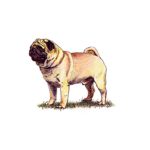
The Pug is known for its unmistakable silhouette—a compact, square, and robust frame wrapped in a soft, short, and glossy coat. One of the more substantial members of the Toy group, this breed’s muscular build is immediately apparent, but substance should never be mistaken for excess weight. Pugs stand out with a body that is balanced and “cobby”, showing strength without sacrificing agility or grace.
The head is a hallmark of the breed, being large and round, and set off by a signature short, blunt, and square muzzle. Their expressive eyes are relatively large, dark, and round, glowing with a soft but curious look. Wrinkles appear on the forehead, enhancing the breed’s animated expressions; these, however, should never be so pronounced as to impair vision or breathing. The Pug’s ears are small and velvety; you’ll notice two types—‘button’ and ‘rose’—each adding its own charm.
Pugs possess a wide, slightly undershot jaw, a thick, gently arched neck, and well-sloped shoulders. Their legs are strong and straight, supporting a barrel chest and rounded ribs. The feet are well split-up with black nails, and the tail is carried tightly curled—often with an impressive double curl—set high over the hip. Their coats are fine, smooth, and close-lying, with accepted colors including fawn, apricot, silver, and black, each paired with a distinctive black mask and clearly defined markings.
Ideal adult Pugs generally weigh between 14 and 18 pounds (6.3 to 8.1 kg), remaining hardy and muscular but never appearing overweight. Their overall impression is one of robustness, cheer, and a unique kind of dignity packed into a small, companionable package.
Temperament & Behavior
Pugs are best described as even-tempered, happy companions who bring a blend of liveliness and tranquility to their homes. They are noted for their unmistakable charm and a dignified, intelligent air, which stems from their long history as favored pets of nobility and royalty. Their personalities are marked by warmth and sociability, always eager to join in the day’s activities and share a nap or snuggles with their family members.
As members of the Toy group, Pugs have been bred specifically for companionship. They crave closeness with people and may develop a deep attachment to their owners. These dogs tend to get along exceptionally well within families, linking especially well with children due to their gentle nature and desire to be involved. With strangers, Pugs are typically friendly and love attention rather than showing any form of shyness or aggression.
This breed enjoys the company of other animals and is not generally territorial, fitting comfortably into multi-pet households. However, some Pugs may become jealous if they feel left out, so fair attention and consistent affection are important. Due to their social inclinations, they do not do well if left alone for extended periods and may exhibit signs of distress or boredom.
Pugs rarely show guarding tendencies; they might bark at an unfamiliar noise or new arrival, but their approachability and gentle disposition are not suited for watchdog duties. Owners can expect a dog that wants to be part of everything, sometimes employing comedic antics to elicit laughter and affection from their audience.
Care & Living Needs for the Pug
Pugs are relatively easygoing when it comes to exercise. They need up to an hour of activity each day, which can be achieved with leisurely walks and some spirited indoor play. Excessive exercise or exposure to heat should be avoided, given their short, flat faces. They are ideally suited for homes of all sizes, with a small or medium garden offering a nice bonus for outdoor sniffing sessions. City apartments, flats, or rural houses are all acceptable, so long as the dog remains integrated with the family life.
Grooming routines are straightforward thanks to the short, smooth coat. Weekly brushing is usually sufficient to control shedding and maintain skin health, though owners will notice a fair amount of loose fur, particularly during seasonal changes. The face’s characteristic wrinkles must be kept clean and dry to prevent irritation. Regular checks of nails, ears, and teeth are recommended, as is bathing only as needed.
Mental stimulation is just as important for Pugs as physical activity. Puzzle toys, basic obedience work, and family games help keep their minds sharp and spirits high. While they are bright and responsive, training requires patience and positivity due to an occasional stubborn streak.
The Pug makes a perfect choice for owners seeking a devoted, manageable, and interactive pet. Those who want a highly active, outdoor-oriented, or fiercely independent dog may find their expectations unmet. Pugs do best in homes where their need for closeness and attention can be fully satisfied.
Health & Common Issues
As a brachycephalic breed, the Pug’s distinctive short, broad skull shape contributes to its trademark appearance but can also present some unique health considerations. Breathing challenges are the most common, particularly where excessive soft tissue in the nose or throat, or narrowed nostrils, make airflow less efficient. Heavy panting and noisy breathing are possible signs that a Pug may benefit from careful attention and moderation of activity, especially in warm weather.
Dental health can be another concern, as the breed’s short jaw must still accommodate the typical number of teeth, often leading to crowding. This makes Pugs more susceptible to dental and gum problems, highlighting the importance of regular tooth brushing and professional veterinary checks.
Responsible breeding and a careful eye toward maintaining functional, balanced features help minimize these issues. Prospective owners are encouraged to keep Pugs at a healthy weight, avoid excessive exertion during exercise, and prioritize regular veterinary care to monitor for issues before they become serious.
Official Breed Standard Summary
The official breed standard for the Pug sets forth a clear vision: a compact, balanced, and muscular dog with no exaggerations that could impact health or functionality. The ideal Pug is “multum in parvo”—a lot of substance in a small package—without appearing overweight or overly muscular. The head should be large but not apple-shaped, with a short, blunt square muzzle and moderate, well-defined wrinkles that in no way obscure the eyes or nose. Eyes must be dark, round and expressive, while nostrils should be open, avoiding any pinching. Unacceptably exaggerated features are to be carefully avoided in both breeding and judging.
Accepted colors include silver, apricot, fawn or black, each with a contrasting black mask, distinct markings, and a distinctive black “trace” running from the back of the head to the tail. The coat should be fine, soft, smooth, and glossy, never harsh or woolly, and must not be altered through trimming or stripping.
Movement in the Pug is purposeful and steady, with a characteristic but understated roll of the hindquarters. The tail is high-set and tightly curled over the hip, the double curl being especially prized. The ideal weight range lies between 14 and 18 pounds (6.3–8.1 kg). Any flaw that compromises soundness, well-being, or function is considered a fault and should be viewed accordingly.
The standard also clarifies that these ideal measurements are guidelines, and some Pugs may naturally fall outside of these ranges. Healthy, normal development and well-being should always come before extreme adherence to size or weight.
Frequently Asked Questions about the Pug
Is the Pug good for first-time dog owners?
Yes, Pugs are an excellent match for first-time owners due to their affectionate, sociable nature and manageable care needs. Their friendly temperament and adaptability make training and integration into family life smooth for novices.
How much exercise does a Pug need daily?
Pugs require up to one hour of exercise each day, which can include short walks and engaging play sessions. Too much strenuous activity should be avoided to protect their breathing and overall comfort.
Is the Pug good with children?
This breed is known for its gentle, playful, and tolerant demeanor around children. Pugs thrive in family environments and enjoy being involved in group activities with kids of all ages.
Can the Pug live in an apartment?
The Pug is well-suited to apartment living thanks to its small size and moderate energy needs. Regular walks and plenty of family interaction are key to keeping them happy in smaller spaces.
How much grooming does a Pug need?
Grooming a Pug is simple, requiring just weekly brushing to control shedding and occasional cleaning of facial wrinkles. Their short, smooth coat makes overall maintenance straightforward for most owners.
Are there common health concerns in this breed?
Pugs may be prone to breathing difficulties and dental crowding due to their flat faces and compact jaws. Choosing a healthy puppy, keeping them at a good weight, and routine veterinary care can help manage and prevent issues.


