
What Are the Traits and Care Tips for Toy Poodles?
The Poodle (Toy) is a charming, sophisticated, and highly adaptable companion that stands out for its intelligence and affectionate nature. Compact enough for smaller living spaces yet full of lively spirit, this breed appeals to a wide range of dog lovers, from those in urban apartments to suburban families. For anyone searching for a small, elegant dog with a keen mind and a love of human company, the Toy Poodle is an exceptional choice.
Known for its non-shedding, curly coat and distinctive trims, the Toy Poodle brings both style and practicality to the world of small breeds. These dogs thrive as loyal companions, participate eagerly in family activities, and form strong bonds with their owners. They fit seamlessly into both active and relaxed households, offering a delightful combination of playfulness, trainability, and elegance.
- Overview of the Poodle (Toy)
- Key Characteristics
- Appearance of the Poodle (Toy)
- Temperament & Behavior
- Care & Living Needs
- Health & Common Issues
- Official Breed Standard Summary
- Frequently Asked Questions
Group: Utility
Size: Small
Exercise needs: Up to 1 hour per day
Coat length: Medium
Grooming: Every day
Shedding: No
Lifespan: Over 12 years
Ideal home type: Flat/ Apartment
Town or country: Either
Garden needs: Small/ medium garden
Overview of the Poodle (Toy)
The Toy Poodle traces its origins back to Germany, where it was originally bred as a water retriever for duck hunters. Over generations, European water dogs served as the ancestors of this clever breed. The smaller Toy variety was developed by miniaturizing the standard Poodle, capturing its defining qualities in a charming, petite frame.
Despite their small stature, Toy Poodles have inherited the spirited personality and historical work ethic of their larger relatives. The iconic Poodle trim, with its distinctive puffs and clipped hindquarters, is more than a cosmetic statement; it was designed for practical reasons, protecting vital joints and aiding swimming ability in colder waters. Today, Toy Poodles are almost exclusively companion dogs, enjoying their place as loving members of the household.
Ideal for many types of owners, the Toy Poodle flourishes with people who offer daily engagement and care, whether in city apartments or suburban homes. Their portability, intelligence, and hypoallergenic coats make them a favorite among families, singles, and retirees alike. Anyone looking for a well-mannered, highly trainable, and affectionate small dog will be delighted by what the Toy Poodle has to offer.
Key Characteristics
- Energy level – Sprightly and lively, the Toy Poodle enjoys regular play sessions and walks but is not overly hyperactive.
- Trainability – Exceptionally intelligent and eager to please, this breed responds well to consistent, positive training.
- Intelligence – Toy Poodles are known for their sharp minds and ability to quickly learn new commands or tricks.
- Prey drive – While originally bred as retrievers, Toy Poodles typically have a moderate prey drive and can coexist peacefully with other pets.
- Social needs – They thrive on companionship and do not like being left alone for long periods.
- Compatibility with families and children – These dogs usually get along well with children, especially when properly socialized from a young age.
- Compatibility with other dogs – Generally friendly with other dogs if introduced appropriately and socialized.
- Guarding or watchdog tendencies – Despite their size, Toy Poodles can be alert and will bark to announce visitors, making them effective little watchdogs.
- Adaptability to city or country life – Flexible and adaptable, suitable for both apartment living and homes with small to medium gardens.
- Best suited owner type – Great for singles, couples, seniors, and families willing to invest time in grooming and daily interaction.
- Typical daily routine – Includes brisk walks, interactive play, training sessions, and quality time with the family.
Appearance of the Poodle (Toy)
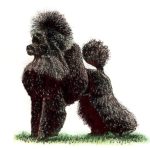
The Toy Poodle presents an image of balance and elegance within a petite frame, standing below 11 inches (28 cm) at the shoulder. Their well-proportioned bodies are compact, with a proud carriage that immediately catches the eye. The breed’s overall impression is one of refinement and poise, regardless of its size.
Distinctive features include a long, fine head with a slight peak, a moderately arched skull, and well-defined cheeks. Almond-shaped eyes, dark and full of intelligence, lend the Poodle an alert and expressive look, while long, wide ears hang close to the face, adding a soft framing effect. The muzzle is strong and finely chiseled with tight lips and a prominent, but not protruding, chin. Their necks are strong and elegant, allowing them to carry their heads with unmistakable dignity.
The breed’s chest is deep and moderately broad, supported by well-sprung ribs and a strong, muscular back and loin. Muscular shoulders and forelegs, along with developed thighs and well-bent stifles in the hindquarters, give the Toy Poodle an athletic foundation. Their small, oval feet are tight and cushioned, built for light and effortless movement.
The coat is one of the Toy Poodle’s most defining attributes. Dense and profuse, with a harsh, curly texture, these coats do not shed in the typical way and require regular grooming. Traditional trims—ranging from the iconic pom-poms to more modern styles—remain integral to the breed’s look. Accepted colors include black, white, brown, blue, silver, grey, apricot, red, and cream, with solid, clear colors preferred. The breed standard does not recognize parti-color or mixed colors.
Temperament & Behavior
Poodle (Toy) dogs are renowned for their cheerful, spirited personalities and balanced temperaments. At home, they are affectionate and engaging, actively seeking the company of their human companions. These dogs quickly endear themselves to the family, reveling in being involved in daily activities and frequently developing a strong bond with one or more family members.
This breed’s alertness and lively spirit make it a sensitive member of the household, often responding enthusiastically to attention and play. Toy Poodles tend to adapt well to different environments and thrive in settings where they can interact and feel like valued members of the social group. Their intelligence means they quickly learn household routines and delight in games or gentle challenges.
Interaction with children and other animals is generally positive, provided early socialization is prioritized. While small, Toy Poodles are sturdy and playful, making them fun partners for older children or gentle younger ones. They usually coexist harmoniously with other dogs and pets, though as with all dogs, supervision and gradual introductions are wise.
As members of the Utility group—a diverse assembly of non-sporting breeds—Toy Poodles inherit a legacy of being bred for specific, sometimes unusual tasks. Now, their primary “function” revolves around companionship and being a beloved presence in the home. Their alertness and willingness to notify the household of visitors gives them some light watchdog tendencies, though they are not naturally aggressive.
Care & Living Needs for the Poodle (Toy)
Despite their elegant appearance, Toy Poodles are relatively low-maintenance regarding exercise, needing up to an hour of activity each day. A couple of brisk walks, brief play sessions, and interactive games are usually enough to keep both body and mind satisfied. Their compact size makes them well-suited for flats, apartments, or homes with small or medium gardens.
Toy Poodles are highly adaptable to both town and country living. They thrive in apartments when given enough mental and physical stimulation, but are equally happy exploring a secure garden or park. The key is ensuring they are not left alone for long periods as they form close attachments to their owners.
Grooming is a major consideration with this breed. The dense, curly coat does not shed, making it a popular choice for those who prefer less hair around the home. However, this same quality requires daily attention to prevent matting and tangling. Weekly baths, regular trims by a professional groomer, and diligent brushing are recommended to maintain coat health and the Poodle’s signature look. Their medium-length coat is both functional and beautiful, allowing for the traditional or more contemporary trims in the show ring.
Because they are so intelligent, Toy Poodles crave mental stimulation just as much as physical exercise. Short, interesting training sessions that use positive reinforcement keep them mentally sharp and happy. Puzzle toys, obedience, and even simple tricks enrich their routine. Prospective owners need to commit both time and attention, especially for grooming and companionship. Those seeking a “set-and-forget” pet, or those who are unable to provide regular grooming care, may not find this breed ideal.
Health & Common Issues
The Toy Poodle is generally known for good longevity, with many living comfortably well into their teens. Like all breeds, maintaining routine veterinary care, proper nutrition, and appropriate exercise levels can help ensure the best possible quality of life.
Regular grooming plays a role not only in appearance but also in keeping the skin and coat healthy. Dental care, ear cleaning, and nail trimming should also be part of the regular care routine. Paying attention to their weight through controlled portions and physical activity can help avoid issues associated with obesity or inactivity.
Toy Poodles, due to their small mouths, can be prone to dental tartar if teeth are not cleaned regularly. Routine professional cleanings and at-home dental care can help address this. Proper socialization and training from a young age can also prevent the development of unwanted behavioral habits. Always seek advice from a trusted veterinary professional to keep your Toy Poodle in peak condition.
Official Breed Standard Summary
The official breed standard outlines the ideal characteristics, temperament, and physical traits of the Toy Poodle. The breed should embody elegance and balance, with a proud carriage and a non-shedding, curly coat. Desired colors are clear and solid, and the dog must move with a sound, free, and light gait. All traditional trim types are permitted, provided they showcase the quality and color of the coat.
Physically, the Toy Poodle stands under 28 cm (11 inches) at the shoulder. Their structure includes a long, refined head, almond-shaped eyes, well-set ears, a well-proportioned neck, and muscular, well-constructed body and limbs. The official standard emphasizes fitness for function above all, noting that obvious exaggerations or conditions that could compromise health and welfare should be strictly avoided.
Faults are considered in proportion to how they affect a dog’s health or soundness. Males should exhibit two normal testicles fully descended. The standard also advises prospective puppy buyers that actual height or weight may vary within the breed, with the stated measurements serving as an ideal reference rather than an absolute requirement.
Frequently Asked Questions about the Poodle (Toy)
Is the Poodle (Toy) good for first-time dog owners?
Yes, the Toy Poodle is an excellent breed for first-time dog owners thanks to its intelligence, eagerness to learn, and affectionate personality. New owners must be prepared for regular grooming and daily companionship to ensure the dog’s wellbeing.
How much exercise does a Poodle (Toy) need daily?
Toy Poodles require up to one hour of exercise each day. This can be achieved through walks, playtime, and interactive games that engage their body and mind.
Is the Poodle (Toy) good with children?
Well-socialized Toy Poodles are typically gentle and playful with children. Their small size means play should be supervised, especially with very young children, to avoid accidental injury.
Can the Poodle (Toy) live in an apartment?
Absolutely. The breed’s compact size and moderate exercise needs make it ideal for apartment living, provided it receives daily walks and mental engagement.
How much grooming does a Poodle (Toy) need?
Daily grooming is recommended to keep the dense curly coat tangle-free and healthy. Regular professional trims are also necessary to maintain the traditional Poodle appearance and prevent matting.
Are there common health concerns in this breed?
The Toy Poodle is generally robust and long-lived. Owners should monitor dental health, provide routine veterinary care, and maintain a balanced diet to support overall wellbeing.


