
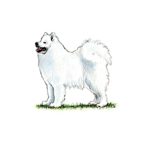
What Are the Traits and Care Requirements of a Samoyed?
The Samoyed is an eye-catching, energetic, and friendly dog breed known for its stunning white coat and trademark “smile.” Developed and cherished by nomadic tribes in the Arctic, this breed has grown beyond its working roots to become a beloved family companion. Those seeking a sociable and affectionate dog with a long history of partnership and utility will find the Samoyed a rewarding choice, especially if they have the space and time to meet its needs.
This breed is not a match for apartment dwellers or hands-off owners. The Samoyed thrives in active homes, ideally in a large house with access to open spaces. With their loving nature, intelligence, and enthusiasm for family life, Samoyeds are suited to those ready to embrace daily exercise, consistent grooming, and plenty of companionship.
- Overview of the Samoyed
- Key Characteristics
- Appearance of the Samoyed
- Temperament & Behavior
- Care & Living Needs
- Health & Common Issues
- Official Breed Standard Summary
- Frequently Asked Questions
Group: Pastoral
Size: Medium
Exercise needs: More than 2 hours per day
Coat length: Medium
Grooming: Every day
Shedding: Yes
Lifespan: Over 10 years
Ideal home type: Large house
Town or country: Country
Garden needs: Large garden
Overview of the Samoyed
Originating from the harsh, cold environments of North Eastern Siberia, the Samoyed was bred by the nomadic Samoyede and Nentsy tribes. In these challenging Arctic regions, the dogs took on a variety of roles: herding and guarding reindeer, pulling sledges, and even joining hunting excursions. Their resilience, versatility, and partnership with people allowed them to thrive as indispensable members of their communities. Historically, their dense coats not only protected them but were at times used by their human companions for clothing in dire circumstances.
Originally, Samoyeds came in a range of colors, with black and white or brown and white being common, especially in the dogs selected for early Polar explorations. Today, their elegant pale coats have become the hallmark of the breed. The Samoyed’s broad skills and adaptability have translated well into modern family life, making them suitable for active households willing to dedicate the time and space these energetic dogs require.
This is a breed designed for purpose, endurance, and companionship, thriving in homes where their herding instincts, stamina, and need for connection are met. Those with large homes, ample outdoor access, and a passion for daily activity find the Samoyed an excellent canine partner.
Key Characteristics
- Energy level – Highly energetic, requiring significant daily exercise to stay content and healthy.
- Trainability – Intelligent and eager to please, but sometimes displays independent thinking during training.
- Intelligence – Exceptionally bright and alert, capable of learning diverse commands and skills.
- Prey drive – Originally bred to herd and guard, their prey drive is moderate but manageable with proper socialization.
- Social needs – Craves companionship and does best when actively involved with the family.
- Compatibility with families and children – Naturally affectionate, displaying a gentle and loving approach with kids.
- Compatibility with other dogs – Usually good with other dogs when well socialized, thanks to their working pack heritage.
- Guarding or watchdog tendencies – More likely to greet guests with friendliness than aggression; not a natural guard dog but will alert to new arrivals.
- Adaptability to city or country life – Best suited to rural or suburban environments with plenty of outdoor space; less ideal for densely packed cities.
- Best suited owner type – Active individuals or families with time for exercise, training, and grooming.
- Typical daily routine – Enjoys long walks, time to play outdoors, and being part of family activities throughout the day.
Appearance of the Samoyed
The Samoyed presents an unmistakable silhouette with a medium size, athletic build, and graceful poise. Well-balanced, they are strong but never coarse, with a robust frame capable of impressive endurance. Males stand between 20 to 22 inches at the shoulder, and females slightly smaller at 18 to 20 inches, always with weight in harmony with height.
The head is powerful and wedge-shaped, set off by a broad, flat skull and a moderately tapered muzzle. Alert, almond-shaped brown eyes give them a gentle, intelligent expression – often called the “Samoyed smile.” The nose is typically black, though it may be brown or flesh-colored. Their thick, upright ears are covered in soft hair, contributing to their expression of attentiveness.
The Samoyed’s double coat is its most striking feature: a dense, soft undercoat lies beneath a harsher, straight outer coat that stands away from the body, providing both insulation and weather resistance. The coat ripples in the wind with a silver tip to the outer hairs, while recognized colors include pure white, white and biscuit, and cream. The profusely feathered tail is carried over the back when alert, often held to the side, and can be dropped when the dog is at rest.
Muscular throughout, their legs are straight and strong, with slightly spread, long feet that help distribute weight and minimize snow buildup. Their gait is smooth and agile, conveying a sense of controlled power and elegance in motion.
Temperament & Behavior
Samoyeds are renowned for their affectionate, gentle nature and their eagerness to bond with people. At home, they are usually welcoming to all family members and quickly form strong attachments to children and adults alike. Their alertness and intelligence, matched with a smiling expression, make them a pleasure to live with, and they are not prone to unnecessary aggression or nervousness.
Rooted in their pastoral heritage, Samoyeds thrive in environments with regular human interaction and can be trusted with children thanks to their soft temperament. They tend to enjoy the company of other dogs, reflecting the breed’s historical reliance on strength in numbers for group tasks like herding or pulling loads. Their preference for social situations means they can become lonely or even bored if left alone for extended periods.
While their friendly demeanor can make them less effective as guardians or watchdogs, Samoyeds are certainly attentive and will alert the household to new people or changes in the environment. Their intelligence brings both joy and mischief; owners should provide consistent guidance and meaningful engagement to avoid unwanted behaviors.
The breed belongs to the Pastoral Group, sharing traits with other working dogs built for herding and surviving severe climates. This legacy fuels the Samoyed’s need for purpose, frequent activity, and steady companionship within the family.
Care & Living Needs for the Samoyed
The Samoyed has high exercise needs, typically requiring more than two hours of activity every day. Long walks, playtime in a spacious yard, and interactive games are all essential for both physical health and mental stimulation. Their historic role as hardworking, versatile canines has left them with stamina that demands regular outlets to prevent restlessness.
This breed is happiest in a large house with ready access to a big, secure garden, making them a better fit for rural or suburban settings. City apartments are a poor match for the Samoyed’s energy and exercise requirements, and owners in busier areas would need to compensate with frequent, long outings. A home with outdoor space in the countryside is ideal and aligns with the breed’s natural tendencies.
The dense double coat requires thorough daily grooming to keep it healthy and free of mats. Regular brushing also helps manage the copious shedding that comes with this breed. Their medium-length coat is weather-resistant but needs thoughtful care to prevent tangling and excessive loose hair in the home.
Mental stimulation is as important as physical exercise for the Samoyed. Training sessions should be varied and rewarding, highlighting their intelligence and capacity for learning. They benefit from activities that mimic working tasks or offer interactive challenges. Owners should be patient yet firm, as the breed’s independence can sometimes show through. The Samoyed is not ideal for people without time for daily grooming, exercise, and social interaction, or for those who cannot commit to an active lifestyle.
Health & Common Issues
The Samoyed benefits from a generally robust constitution, developed for survival in harsh Arctic environments. Their thick coats insulate against extreme temperatures and help protect the skin, while their athletic build enables them to stay active and agile for many years.
Regular veterinary care, a balanced diet, and appropriate exercise are fundamental in maintaining the breed’s health and longevity. Owners should pay attention to weight management to avoid stress on the joints, especially as the breed enjoys a long active life. As with most breeds, routine dental care and ear cleaning are recommended to prevent issues that arise from neglect.
The Samoyed’s dense coat can hide the early signs of skin irritation, so regular grooming is vital not just for appearance but also for overall health. Watching for any excessive scratching, hot spots, or changes in coat quality is advised, prompting prompt assessment if any concerns arise. A consistent health routine and annual vet check-ups help ensure these dogs stay in top condition well into their senior years.
Official Breed Standard Summary
The official breed standard provides a clear description of the ideal Samoyed, emphasizing soundness, suitability for historical function, and overall well-being. Judges and breeders prioritize characteristics that maintain the health and vitality of the breed, discouraging any features or exaggerations that could compromise welfare. Size guidelines serve as a reference but recognize natural variation among individual dogs.
The Samoyed stands out for its medium size, well-balanced and graceful build, and strength coupled with elegance. Only dogs displaying energetic, intelligent, and alert behavior—never nervousness or unwarranted aggression—fit the ideal. Key features include a wedge-shaped head, intelligent brown eyes, upright furry ears, a scissor bite, and an arched, strong neck. The body should be muscular with a deep but not overly broad chest, sturdy legs, and long, slightly spread feet with cushioning hair.
The coat is dense and weather-resistant: a plush undercoat with a straight, harsh top layer. Recognized colors include white, cream, or white with biscuit markings. The tail is long, plume-like, typically carried over the back, and completes the breed’s distinctive silhouette. The Samoyed moves fluidly with both power and elegance, reflecting its history as a working dog of great endurance.
Any significant deviation from these qualities is seen as a fault, with the degree assessed in relation to its impact on the dog’s ability to function and thrive. The presence of two normal testicles in males is expected. Breeders and prospective owners should look for animals meeting the standard, understanding it as a guide rather than an absolute size requirement.
Frequently Asked Questions about the Samoyed
Is the Samoyed good for first-time dog owners?
The Samoyed can be a rewarding companion for first-time owners who are active, patient, and ready for a hands-on approach to grooming and training. Consistent guidance and commitment to daily care are essential.
How much exercise does a Samoyed need daily?
This breed thrives with more than two hours of exercise each day, including long walks, play, and mental challenges. Insufficient activity can result in boredom-driven behaviors.
Is the Samoyed good with children?
Samoyeds are naturally affectionate and gentle, making them well-suited to families with children. Early socialization helps reinforce their friendly nature with younger family members.
Can the Samoyed live in an apartment?
Samoyeds are best suited to large houses with ample outdoor space. Apartment living is challenging due to their exercise and space needs, though highly active owners may manage with significant daily outdoor activities.
How much grooming does a Samoyed need?
The Samoyed’s coat requires daily brushing to prevent tangles and control shedding. Regular grooming is part of the breed’s routine care.
Are there common health concerns in this breed?
The Samoyed is generally a healthy, robust breed. Like all dogs, they benefit from routine veterinary care, weight management, and close attention to coat and skin health.


