
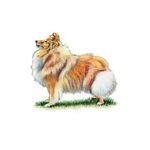
What Are the Traits and Care Tips for Shetland Sheepdogs?
The Shetland Sheepdog, often affectionately known as the “Sheltie,” is a small, striking herding breed known for its intelligence, quickness, and devotion. Well-suited to families looking for a loyal and energetic companion as well as those interested in competitive dog sports or active lifestyles, the Sheltie combines the charm of a companion with the skills of a working dog. Its manageable size and affectionate nature make it popular with a diverse range of owners, from single professionals to bustling households with children.
This breed stands out for its adaptability and sweet temperament. Originally bred in the rugged environment of the Shetland Islands to herd sheep on small acreage, Shelties thrive on human companionship and mental engagement. The breed excels in obedience, agility, and enjoys being part of family activities, making it an excellent choice for both experienced and first-time dog owners who are prepared to invest in training, exercise, and regular grooming.
- Overview of the Shetland Sheepdog
- Key Characteristics
- Appearance of the Shetland Sheepdog
- Temperament & Behavior
- Care & Living Needs
- Health & Common Issues
- Official Breed Standard Summary
- Frequently Asked Questions
Group: Pastoral
Size: Small
Exercise needs: Up to 1 hour per day
Coat length: Medium
Grooming: Every day
Shedding: Yes
Lifespan: Over 10 years
Ideal home type: Small house
Town or country: Either
Garden needs: Small/ medium garden
Overview of the Shetland Sheepdog
The Shetland Sheepdog has its roots in the rugged and remote Shetland Islands, located off the northeast coast of Scotland. Just as the Shetland pony was developed for the islands’ small holdings and tough weather, the Sheltie emerged as a compact, resilient herding dog capable of working efficiently on limited acreage and in harsh conditions. This resourceful breed was influenced by various Scottish sheepdogs, with hints of Collie ancestry visible in its build and demeanor.
Initially exhibited in shows at the beginning of the twentieth century as a miniature Collie, the Shetland Sheepdog gradually established its own identity, with distinctive characteristics separating it from its larger cousins. Over the decades, its appeal expanded beyond the working fields into family homes, show rings, and dog sports arenas. The Sheltie’s agility, intelligence, and striking coat earned it lasting popularity as both a working dog and a cherished companion.
This breed is a great fit for owners who appreciate an affectionate, trainable, and spirited dog. Shelties are happiest when they have a job to do or are included in household routines. Their adaptability makes them suitable for both town and country living, provided their mental and physical needs are met.
Key Characteristics
- Energy level – Lively and energetic, with a daily need for active play or structured exercise.
- Trainability – Highly trainable and quick to learn, responding well to positive reinforcement and consistent routines.
- Intelligence – Exceptionally intelligent, ranking among the most agile and responsive breeds.
- Prey drive – Moderate, with a strong instinct to chase moving objects, reflecting its herding background.
- Social needs – Thrives on companionship, forming close bonds with household members and often seeking a “person” to follow.
- Compatibility with families and children – Gentle and affectionate with children; typically makes an excellent family pet.
- Compatibility with other dogs – Generally harmonious with other dogs, especially if socialized from an early age.
- Guarding or watchdog tendencies – Naturally alert and quick to vocalize when something unusual occurs, making a vigilant watchdog without signs of aggression.
- Adaptability to city or country life – Adaptable to both urban and rural settings, as long as exercise and mental engagement are provided.
- Best suited owner type – Ideal for active singles, couples, and families willing to invest time in training, walks, and interactive play.
- Typical daily routine – Enjoys structured walks, mental games or training, time spent with family, and relaxation indoors.
Appearance of the Shetland Sheepdog
The Shetland Sheepdog presents as a small, graceful dog with a beautiful, abundant coat that frames its balanced proportions. The body is slightly longer than it is tall, creating a symmetrical outline that conveys elegance and strength. Its proud carriage and animated movement make the Sheltie particularly eye-catching, both at rest and in motion.
The head is refined and wedge-shaped, tapering smoothly from ears to nose, and is complemented by a gentle, sweet expression. Eyes are medium-sized, almond-shaped, and predominantly dark brown, although merles may display blue or blue-flecked eyes. The ears are small and set close together on the crown, semi-erect in an alert pose, adding to the breed’s attentive demeanor. A strong, well-arched neck supports the head, giving the dog an alert yet dignified stance.
Coat features are especially notable in the Shetland Sheepdog. This breed boasts a double coat, with a harsh, straight outer layer and a dense, soft undercoat. The mane, frill, and feathering on the forelegs and hindquarters are particularly pronounced, presenting an impressive silhouette. Colors range from sable (from pale gold to deep mahogany), tricolor, blue merle, black and white, to black and tan, with or without preferred white markings. The tail is set low, flowing with abundant hair, and is characteristically never carried over the back.
Ideal height at the withers is around 14.5 inches for males and 14 inches for females, keeping the breed compact yet sturdy. Its oval feet, well-padded soles, and overall athletic build underscore the Sheltie’s heritage as a hard-working herder.
Temperament & Behavior
The Shetland Sheepdog is best known for its affectionate and highly responsive nature. At home, Shelties are intensely loyal to their families, often forming strong, lasting bonds with their owners. They show a vibrant enthusiasm for family life and participate eagerly in household routines or games.
Though gentle with those they know, Shelties tend to be reserved around strangers. This reservedness is not nervousness but rather a natural wariness that makes them excellent, reliable watchdogs—they will bark to alert their family of unusual activity but are never aggressive or overbearing. These dogs respond to their owners’ moods, thriving in environments where positive reinforcement and calm leadership are emphasized.
The Shetland Sheepdog descends from a long line of herding breeds, making it intelligent and perceptive. As part of the pastoral group—dogs bred to herd cattle, sheep, and other livestock—Shelties enjoy both structured activities and interactive mental challenges. They excel in environments where they can use their innate problem-solving skills, whether herding animals, mastering obedience routines, or playing puzzle games.
Compatibility with other animals is typically high, especially with early and continued socialization. Shelties enjoy companionship not just from people but also from other friendly dogs. The key to a well-adjusted Sheltie is regular social contact, stimulating activities, and clear boundaries.
Care & Living Needs for the Shetland Sheepdog
The Shetland Sheepdog requires up to an hour of daily exercise to stay happy and healthy. A brisk walk, a session of fetch, or a run in a secure garden are all suitable outlets for their lively energy. Given their small yet active nature, they are adaptable to living in a small house or apartment, provided they receive regular outdoor activity. A small to medium garden is ideal, but city or country environments are equally suitable for this flexible breed.
Grooming is an important part of Sheltie care. With a medium-length double coat, Shelties shed and require daily brushing to remove loose hair, prevent tangles, and keep their beautiful mane and frill in good condition. The outer coat is straight and harsh, while the dense undercoat offers protection from the weather. Expect some shedding throughout the year, but especially during seasonal changes. Bathing should be done as needed, ensuring the coat is fully dried each time.
Shelties are intelligent and thrive on mental stimulation. Training sessions should be positive and consistent, introducing a mix of obedience commands, tricks, and interactive games to keep their agile minds engaged. Without adequate mental challenges, they may become bored or invent their own entertainment, which can mean unwanted behaviors.
This breed may not be ideal for those unable or unwilling to commit to daily grooming or provide exercise and engagement. People who prefer a low-maintenance or independent dog may find the Sheltie’s needs demanding. Likewise, very busy households with little time for interactive play or walks should consider these factors before welcoming a Sheltie.
Health & Common Issues
The Shetland Sheepdog generally enjoys a lifespan of over ten years, thanks in part to its sturdy, sound working-dog heritage. While specifics regarding health conditions are not detailed here, it is important to support overall wellbeing with regular veterinary check-ups, a balanced diet, and routine dental care.
Owners should be attentive to weight management and maintain an appropriate balance of exercise—too much strenuous activity or neglect of physical needs can each have downsides. Regular grooming and inspection of the skin, ears, and teeth help catch any minor issues early and contribute to overall comfort.
Routine preventive care ensures the Sheltie remains energetic and healthy into its senior years. As with any breed, finding a responsible source and working closely with a veterinarian are the best ways to ensure a long, happy life for your Sheltie.
Official Breed Standard Summary
The official breed standard for the Shetland Sheepdog describes it as a small, long-haired working dog of exceptional beauty and harmonious proportions. Soundness and balance are crucial, with a symmetrical outline, proud head carriage, and flowing movement combining to create an impression of both strength and elegance.
Recognized colors include sable (in various shades), tricolour, blue merle, black and white, and black and tan. White markings are preferred in many combinations (excluding black and tan), but large white body patches are not desirable. The double coat, with its straight, harsh-textured outer layer and dense, soft undercoat, is a defining feature. Smooth-coated Shelties, as well as those with colors or features outside the standard, are not accepted for show.
Ideal height is 14.5 inches for males and 14 inches for females, allowing some natural variation. The standard emphasizes that absolute soundness and correct temperament—a blend of alertness, gentleness, intelligence, and affection—are the signature of the breed. Faults are assessed in light of their impact on health and welfare, reinforcing the importance of breeding for functional, healthy dogs.
Prospective owners should note that official measurements and descriptions are guides to the ideal; individual dogs may vary. The Shetland Sheepdog’s hallmark lies in its overall quality, movement, health, and demeanor.
Frequently Asked Questions about the Shetland Sheepdog
Is the Shetland Sheepdog good for first-time dog owners?
Yes, the Shetland Sheepdog’s eagerness to please, intelligence, and manageable size make it a solid choice for many first-time owners. Commitment to daily care, exercise, and grooming is key to their happiness.
How much exercise does a Shetland Sheepdog need daily?
This breed is energetic and benefits from up to one hour of exercise each day. Activities like walking, play sessions, and interactive games provide both physical and mental stimulation.
Is the Shetland Sheepdog good with children?
The Sheltie is generally gentle, affectionate, and patient with children, making it a popular choice for families. Early socialization promotes the best relationships between dogs and young ones.
Can the Shetland Sheepdog live in an apartment?
Shetland Sheepdogs can adapt well to apartment living if their exercise and mental engagement needs are met. Regular walks and interactive play are essential in smaller living spaces.
How much grooming does a Shetland Sheepdog need?
Daily brushing is recommended to keep their dense double coat free from mats and tangles. Shelties shed regularly and will need extra attention during seasonal coat changes.
Are there common health concerns in this breed?
No specific health issues are highlighted here. Responsible ownership—including regular veterinary care, proper nutrition, and exercise—helps ensure a long, healthy life for the Sheltie.


