
What Are the Traits and Care Requirements of a Siberian Husky?
The Siberian Husky is a striking, athletic breed long renowned for its role as a sled dog in extreme northern climates. This robust, intelligent dog appeals to adventure-loving owners who can provide ample space and exercise, as well as those drawn to canine companions with both beauty and stamina. For those seeking an energetic partner who excels in outdoor activities and offers a friendly, outgoing temperament, the Siberian Husky is an engaging choice.
As part of the Working group, the Siberian Husky has a legacy of reliability and endurance developed over generations in harsh environments. This breed is best suited to active homes with access to large, secure spaces and those willing to embrace a dynamic lifestyle. Their wolf-like appearance, intelligence, and sociable nature make them memorable companions for experienced owners and families who understand their unique requirements.
- Overview of the Siberian Husky
- Key Characteristics
- Appearance of the Siberian Husky
- Temperament & Behavior
- Care & Living Needs
- Health & Common Issues
- Official Breed Standard Summary
- Frequently Asked Questions
Group: Working
Size: Medium-Large
Exercise needs: More than 2 hours per day
Coat length: Short
Grooming: More than once a week
Shedding: Yes
Lifespan: Over 10 years
Ideal home type: Large house
Town or country: Country
Garden needs: Large garden
Overview of the Siberian Husky
The Siberian Husky’s legacy traces back to the remote and icy northeast of Siberia, where the breed was originally developed by the Chukchi people. Bred as resilient sled dogs capable of hauling loads for long distances across harsh tundra, these Huskies were also valued for their close companionship within family groups. Breeding was carefully controlled, with only the most exceptional dogs left intact for leading future generations, ensuring strong working abilities and an even temperament.
This breed made its mark on global history in the early twentieth century, notably during the 1925 serum run to Nome, Alaska. Teams of Siberian Huskies heroically transported life-saving medicine over hundreds of miles, a feat celebrated today by a statue in Central Park. Their natural endurance, intelligence, and ability to thrive alongside people have made Siberian Huskies favorites among outdoor enthusiasts and active families.
Best suited to environments where they can enjoy plenty of physical and mental activity, Siberian Huskies thrive in large country homes with access to secure outdoor spaces. Their heritage as working dogs means they are happiest when given purposeful tasks and routines. For owners drawn to an athletic, social companion with a storied past, the Siberian Husky offers an iconic and rewarding presence at home and on adventures.
Key Characteristics
- Energy level – Exceptionally high; needs significant daily exercise and room to roam.
- Trainability – Intelligent and willing but can be independent-minded, requiring patient, consistent training.
- Intelligence – Very intelligent, quick to learn routines and solve problems when engaged.
- Prey drive – May have a natural instinct to chase, so supervision around small animals is important.
- Social needs – Enjoys being with people and other dogs; often dislikes being left alone for long periods.
- Compatibility with families and children – Good-natured and affectionate, making them suitable for families with respectful children.
- Compatibility with other dogs – Generally friendly; gets along well with other canines, especially when socialized early.
- Guarding or watchdog tendencies – Not inherently protective; rarely suspicious and unlikely to serve as a guard dog.
- Adaptability to city or country life – Best suited to rural or spacious suburban settings; urban environments can be challenging unless exercise needs are met.
- Best suited owner type – Active individuals or families who enjoy outdoor activities and can commit to daily exercise and engagement.
- Typical daily routine – Thrives with regular, vigorous exercise, training sessions, and ample playtime; benefits from consistent structure and human interaction.
Appearance of the Siberian Husky
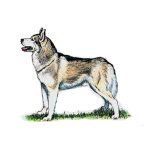
The Siberian Husky is a medium-sized, athletic working dog whose well-balanced proportions highlight a harmonious blend of speed, stamina, and agility. Muscular without being bulky, the breed presents a powerful yet graceful figure, with a level topline and firm, well-developed muscles. Males appear masculine without excess heaviness, while females retain a distinctly feminine, but equally strong, structure.
One of the breed’s most distinguishing features is its expressive, almond-shaped eyes, which can be blue, brown, or even one of each. The head displays clean lines with a slightly rounded top, a medium-length tapering muzzle, and a clear, gentle stop. Ears are medium, triangular, thickly furred, and sit high on the head, usually carried erect and close together, enhancing the breed’s alert expression.
The Husky’s double coat offers both warmth and protection, with a dense, soft undercoat supporting a straight outer layer that maintains a sleek and well-furred appearance. While the overall coat is of moderate length, fur on the tail is lush, forming a signature brush shape that’s often carried in a graceful sickle curve over the back when alert. A memorable feature of the breed is its wide array of colors; Siberian Huskies may be seen in agouti, black and white, red and white, sable, silver, grey, and pure white, as well as striking piebald patterns and marked faces not common in other breeds.
In terms of size, adult males typically stand between 21 and 23½ inches (53–60 cm) at the shoulder and weigh 45–60 pounds (20–27 kg), while females are somewhat smaller, reaching 20–22 inches (51–56 cm) and 35–50 pounds (16–23 kg). The overall effect is that of a robust, energetic dog designed for serious work but shaped by elegance and poise.
Temperament & Behavior
Siberian Huskies are widely admired for their friendly, gentle, and in many cases, mischievous nature. Their typical temperament is one of alertness and sociability, with neither the suspicion toward strangers nor the aggression toward other dogs often seen in some other working breeds. They are generally outgoing and eager to participate in group activities, both with their human companions and canine friends.
Living with a Siberian Husky means embracing their curious intelligence and agreeable disposition. They respond well to clear leadership and positive, reward-based training but may occasionally test boundaries with independence. Socialization is typically straightforward since they are not natural guard dogs; a measure of reserved behavior may evolve with maturity, but aggression is rare.
This breed was developed to work closely with humans and teams of other dogs, fostering a cooperative and resilient spirit. They are specialists in their field—quick thinkers and hard workers who excel when given a job to do. Their playful streak, combined with reliable good nature, makes them a delight around respectful children and in multi-dog households. However, their high energy and enthusiasm may overwhelm more timid pets without careful introductions.
Potential challenges for Husky owners can arise from their cleverness and activity level. Without sufficient physical and mental stimulation, their creativity may channel into escapist behaviors or mischief. Satisfying their innate desire for purposeful tasks and inclusion prevents boredom and helps foster the best in their dynamic personality.
Care & Living Needs for the Siberian Husky
Meeting the needs of a Siberian Husky requires a commitment to active living. These dogs thrive on more than two hours of daily vigorous exercise, such as running, hiking, or pulling a cart or sled, to keep them physically and mentally fulfilled. Ideal homes are large houses in rural or semi-rural settings, with access to a sizable, secure garden for supervised play and exploration.
Because of their working heritage, Huskies are not satisfied with short strolls or sedentary routines. Creative outlets such as canine sports, obedience, or interactive play enrich their lives and build strong bonds with their owners. Mental stimulation—puzzle toys, agility, or training exercises—also helps prevent boredom-related escapades.
Grooming needs are moderate yet important. The Husky’s double coat is relatively short but sheds heavily, particularly during seasonal changes. Brushing several times a week, and more frequently during shedding periods, helps manage loose fur and maintains coat health. Baths are only required occasionally, as their coat is designed to stay clean and resist odors.
This breed is happiest with owners who appreciate their energetic temperament and are present to provide daily interaction. Those accustomed to a quieter or less active lifestyle—and those who cannot provide secure outdoor space—may find the Siberian Husky’s needs challenging to meet in the long term.
Health & Common Issues
Siberian Huskies are known for their robust constitution, thanks in part to their rigorous origins and the careful selective breeding by their early caretakers. They often enjoy lifespans of over a decade, particularly when given proper nutrition, veterinary care, and the opportunity to stay active and lean.
Though a generally healthy breed, Huskies, like all dogs, benefit from routine check-ups and preventive care throughout life. Keeping an eye on their weight, monitoring for any joint stiffness as they age, and maintaining dental hygiene are important steps in their ongoing care. Their dense double coat may require extra grooming attention during shedding periods to prevent skin issues.
Owners should strive to keep Huskies at a healthy weight and to balance their need for exercise with appropriate rest. Regular veterinary checks, quality food, and plenty of daily activity help maintain their overall well-being. Paying attention to their energy levels and overall comfort will ensure that these active companions remain both fit and happy for many years.
Official Breed Standard Summary
The official breed standard for the Siberian Husky provides detailed guidelines describing the ideal qualities of structure, temperament, and appearance. It emphasizes the balance of power, agility, speed, and endurance in a medium-sized working sled dog. Soundness is paramount, and exaggerations or deviations that compromise health or movement are discouraged.
According to the standard, Siberian Huskies should give a well-furred, graceful impression, with well-developed muscles and a body proportioned for efficient movement. Sizes range for males from 53–60 cm at the shoulder and 20–27 kg in weight, with females slightly smaller. The variety of accepted coat colors includes combinations such as agouti & white, black & white, red & white, grey, sable, and more, with all typical markings permissible except merle patterns. A striking point is the frequent facial masks and unique color patterns distinctive to the breed.
The breed’s movement should be effortless and free, displaying the tireless trotting gait that made the Husky a superior sled dog. Their coat is double-layered, with a soft, dense undercoat and a straight, smooth outer layer that supports their clean-cut outline. Trimming is permitted only for tidying the feet, and any excessive or inappropriate features are considered faults in the standard.
Notes for puppy seekers reinforce that individual dogs may vary in size beyond the specified ranges, and as always, male Huskies must have two normal testicles fully descended into the scrotum. The overall intention of the standard is to promote a fit, functional, and healthy animal ready for both companionship and work.
Frequently Asked Questions about the Siberian Husky
Is the Siberian Husky good for first-time dog owners?
Siberian Huskies are intelligent and loyal but require experienced, committed owners who can meet their exercise and training needs. They can be challenging for novices due to their independence and high activity level.
How much exercise does a Siberian Husky need daily?
This breed thrives on more than two hours of vigorous activity each day. Regular physical and mental challenges are essential for their overall happiness and health.
Is the Siberian Husky good with children?
With their friendly and even temperament, Siberian Huskies often make excellent companions for children, especially in active households. Supervised interactions and respectful behavior from both parties are always recommended.
Can the Siberian Husky live in an apartment?
While possible, apartment living is not ideal for a Siberian Husky due to their size and high energy needs. They fare much better in homes with ample space and a secure, sizable garden.
How much grooming does a Siberian Husky need?
The Husky’s coat requires brushing several times a week, increasing during shedding periods. Their coat naturally repels dirt, so bathing can be minimal unless needed for a specific reason.
Are there common health concerns in this breed?
Siberian Huskies are generally healthy, but regular veterinary care and attention to weight and coat condition are important. Responsible breeding and preventive care contribute to their soundness and longevity.


