
What Are the Traits and Care Requirements of the Tibetan Spaniel?
The Tibetan Spaniel is a small, intelligent companion dog with ancient roots and a reputation for being both charming and independent. This breed is ideal for individuals, couples, or families seeking a devoted companion who enjoys time with their people but also values a bit of autonomy. Their adaptable size, moderate exercise needs, and engaging personality make them an attractive option for those living in apartments or smaller homes, as well as for retirees or those looking for a low-maintenance, affectionate pet.
Known for their witty expressions and agile movements, Tibetan Spaniels have a background steeped in tradition. They are both lively and sensitive, excelling as alert watchdogs while still remaining deeply loyal to their family. If you desire a breed with a history as a cherished companion and a unique personality, the Tibetan Spaniel may be the perfect fit.
- Overview of the Tibetan Spaniel
- Key Characteristics
- Appearance of the Tibetan Spaniel
- Temperament & Behavior
- Care & Living Needs
- Health & Common Issues
- Official Breed Standard Summary
- Frequently Asked Questions
Group: Utility
Size: Small
Exercise needs: Up to 1 hour per day
Coat length: Medium
Grooming: More than once a week
Shedding: Yes
Lifespan: Over 12 years
Ideal home type: Flat/ Apartment
Town or country: Either
Garden needs: Small/ medium garden
Overview of the Tibetan Spaniel
The Tibetan Spaniel has a long legacy as a treasured temple companion, most notably among Tibetan monks. These small dogs were originally kept in monasteries where they served as alert watchdogs, often found alongside breeds such as the Lhasa Apso. Their sharp senses and keen minds made them invaluable in this role, sounding the alarm and observing all activity from the walls of remote monasteries.
The breed made its way to the West in the late 19th century, though it was not until after World War II that their presence became more established in countries like the UK. Pioneers who spent time in Tibet brought back these companions, helping to solidify the foundation of the breed in the modern era. Their unique blend of independence and devotion has remained consistent through the generations, making the Tibetan Spaniel a favorite for those looking for an alert, affectionate, and distinctive pet.
Today, the Tibetan Spaniel can adapt to a range of lifestyles and home environments. While their origins are deeply connected to spiritual and working purposes, they have transitioned beautifully into life as companion animals. Their small stature, manageable exercise requirements, and relatively easy-going nature make them well-suited for singles, couples, seniors, and families alike.
Key Characteristics
- Energy level – Moderate, typically happy with up to 1 hour of daily activity.
- Trainability – Intelligent and quick to learn, though sometimes a bit independent-minded.
- Intelligence – Highly intelligent, often reading their environment and owner’s moods with ease.
- Prey drive – Generally low, but their alertness means they may notice movements and sounds around them.
- Social needs – Enjoys human companionship but appreciates quiet relaxation and downtime as well.
- Compatibility with families and children – Typically gentle and loyal with families and respectful children.
- Compatibility with other dogs – Can get along nicely with other dogs, though some may prefer the company of people to that of other pets.
- Guarding or watchdog tendencies – Strong watchdog instincts, often quick to alert their family to anything unusual.
- Adaptability to city or country life – Suited to both urban apartments and rural homes, as long as exercise needs are met.
- Best suited owner type – Ideal for individuals, couples, or families seeking a small, loyal, and relatively independent companion.
- Typical daily routine – Includes relaxed time at home, one or two short walks, and periods of mental stimulation or play.
Appearance of the Tibetan Spaniel
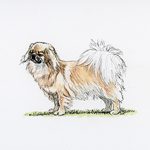
The Tibetan Spaniel presents a small but sturdy presence, embodying an elegant balance between activity and poise. Slightly longer in body than in height at the withers, this breed stands at around 10 inches (25 cm) tall and typically weighs between 9–15 pounds (4–7 kg). Their general outline is well-proportioned, giving an impression of agility fused with dignity.
The head is carried proudly and remains in pleasing proportion to the body, free of coarseness but with a touch of masculinity in males. The slightly domed skull, defined stop, and medium-length muzzle create an expressive profile. Dark brown, oval eyes sit forward and wide apart, radiating brightness and alertness. The ears are of medium size, pendant, and are set fairly high; feathering develops as the dog matures, and a slight lift from the skull gives a gentle, lively look.
The Tibetan Spaniel’s body shows a relatively short, strong neck adorned with a soft mane or “shawl” of longer hair—more prominent in males. Forequarters display moderate bone and slightly bowed forelegs, with neat hare-shaped feet often showing feathering that extends past the toes. The breed’s tail is one of its most cheerful features, plumed and carried in a gay curl over the back during movement.
The coat is medium in length, silky, and lies rather flat against the body. The face and front of the legs are smooth, while ears, tail, and hindquarters feature rich feathering. A dense undercoat adds to their insulation, but the breed is not overly coated, allowing for easy motion. The Tibetan Spaniel offers a wide variety of permissible colors—ranging from solid black, fawn, gold, red, cream, silver sable, to classic white, with or without masks or markings. The only unacceptable coloration is merle.
Temperament & Behavior
The Tibetan Spaniel is well-known for being alert, loyal, and somewhat independent. At home, this breed often takes on the role of both companion and unobtrusive watchdog, exhibiting a keen awareness of its surroundings. Their intelligence shows in their ability to learn quickly and in their ability to pick up social cues from their family members.
With people, the Tibetan Spaniel is affectionate without being clingy. They form strong attachments with their owners and usually enjoy spending time with their favorite humans. They can be reserved or aloof around strangers, a reflection of their historical development as a watchdog breed in remote monastic settings. Despite their alertness, they rarely become overly nervous or yappy if well socialized and provided with a stable routine.
When it comes to other dogs, Tibetan Spaniels generally get along well, especially if introduced early and positively. Their utility group background—breeds selected for specific, often non-sporting purposes—underscores a certain adaptability and a touch of independence. This sometimes means they may not seek out constant canine company, preferring people’s presence instead at times.
Owners should appreciate both their cleverness and their autonomous streak. Positive, patient training brings out their best qualities. The Tibetan Spaniel’s natural assertiveness and intelligence mean that they benefit most from mentally stimulating activities and environments that offer both companionship and autonomy.
Care & Living Needs for the Tibetan Spaniel
Though a Tibetan Spaniel doesn’t require extensive exercise, they do appreciate daily activity—usually up to an hour suffices. Short walks, garden play, and indoor games are all effective ways to channel their energy and curiosity. Their adaptable size and moderate activity needs mean they thrive in both apartments and homes with a small to medium garden, as long as they aren’t left alone for extended periods.
The ideal home environment is one where they can both relax and observe what’s happening around them. While they are content in city apartments, access to a small or medium garden offers bonus opportunities for exploration. Their nature as both a family and a companion dog means they can adapt to bustling households or quieter single-person homes equally well.
Grooming requires attention more than once a week, focusing on maintaining their medium, silky coat. Regular brushing helps manage the shedding and prevents tangles, especially behind the ears and on the feathered tail and legs. Bathing is typically only needed when necessary, and nails should be trimmed as part of routine care. They do shed, so those seeking a non-shedding breed may want to consider this factor.
Mental stimulation is important for this intelligent breed. Puzzle toys, new environments, short training sessions, and interactive games help prevent boredom and reinforce desired behaviors. While they are suitable for most owners, the Tibetan Spaniel may not be the best choice for those seeking a dog who is always eager to please or who demands constant attention. Patience and a gentle approach in training yield the best results with this independent thinker.
Health & Common Issues
The Tibetan Spaniel is generally a hardy breed with a life expectancy of over 12 years. While specific health proneness is not detailed here, maintaining their well-being involves sensible weight management, balanced exercise, and keeping up with regular veterinary checkups. Proper dental care, grooming, and year-round protection from environmental extremes also contribute to their longevity and comfort.
No breed is entirely free from health concerns, but regular observation for changes in behavior, eating habits, or coat condition helps ensure that any potential issues are identified early. Keeping your Tibetan Spaniel active, mentally engaged, and part of a loving home creates the foundation for a healthy life.
Good breeding practices, proper nutrition, and attending scheduled vaccinations and health screenings further help in promoting a long and healthy life for your pet. If you are considering a puppy, inquire about parental health and temperament for the best start.
Official Breed Standard Summary
The official breed standard for the Tibetan Spaniel provides clear guidance on the ideal appearance, structure, and temperament of this breed. Absolute soundness and the avoidance of exaggerations or features detrimental to health and welfare are stressed. The breed should possess a well-balanced outline, slightly longer in body than in height, and a general aura of alertness and activity.
Ideal size centers around 10 inches at the withers, with a weight range of 9–15 pounds. A lush mane, especially in males, and a richly plumed tail set high and curling over the back are both distinctive features. The coat is silky and of moderate length, including a soft undercoat, and should not present as overly thick. Bitches typically have less pronounced coats and mane compared to males. A broad range of colors is accepted, but merle patterns are not permissible.
Movement should be straight, quick, and free, reflecting a positive and lively disposition. The breed standard advises against rewarding dogs with features or colors considered unacceptable. It notes that while full dentition and physical soundness are desirable, some natural variations may occur. It is also noted that the breed standard measurements are guidelines rather than absolute requirements, acknowledging that individual dogs may vary.
Special attention is given to the function and harmony of the breed’s features, reinforcing that the overall well-being and characteristic expression of the Tibetan Spaniel are the most important criteria for both breeders and potential owners to uphold.
Frequently Asked Questions about the Tibetan Spaniel
Is the Tibetan Spaniel good for first-time dog owners?
Yes, the Tibetan Spaniel is often suitable for first-time owners, especially those who appreciate a smart, moderately active dog with a bit of independence. Patience and gentle training methods are best for building a strong bond.
How much exercise does a Tibetan Spaniel need daily?
They are content with up to one hour of activity per day, which can include walks, play sessions, or exploring a safe garden area. Their moderate energy level makes them suitable for various lifestyles.
Is the Tibetan Spaniel good with children?
Tibetan Spaniels are generally gentle and affectionate with families and respectful children. Supervision and respectful interactions will help foster a positive relationship between dog and child.
Can the Tibetan Spaniel live in an apartment?
This breed is very adaptable and typically does well in apartments or flats, as long as they receive daily exercise and mental stimulation. They are not overly noisy, though their watchdog instincts mean they may alert you to visitors or noises.
How much grooming does a Tibetan Spaniel need?
Regular brushing several times a week helps keep their medium-length coat in top condition and reduces shedding. They require more grooming than some smooth-coated dogs, especially around their feathered areas.
Are there common health concerns in this breed?
No specific health conditions are highlighted, but general upkeep such as routine veterinary care, grooming, dental health, and balanced nutrition are important for keeping your Tibetan Spaniel healthy and happy.


