
What Are the Traits and Care Tips for an Airedale Terrier?
The Airedale Terrier, often called the “King of the Terriers,” stands out as the largest member of its group and is revered for its versatility and lively personality. This breed is best suited for active individuals or families seeking a confident companion with plenty of character and intelligence. Airedales excel as both family dogs and working partners, displaying a keen alertness and a strong desire to be involved in daily life.
Whether you are looking for a loyal companion, a spirited playmate for older children, or a breed that can participate in various activities, the Airedale Terrier adapts well to many roles. Their combination of energy, courage, and friendly demeanor makes them a compelling choice for those prepared to invest time in exercise and companionship. With their unique history and striking presence, Airedale Terriers make a distinctive addition to the right household.
- Overview of the Airedale Terrier
- Key Characteristics
- Appearance of the Airedale Terrier
- Temperament & Behavior
- Care & Living Needs
- Health & Common Issues
- Official Breed Standard Summary
- Frequently Asked Questions
Group: Terrier
Size: Large
Exercise needs: Up to 1 hour per day
Coat length: Medium
Grooming: Every day
Shedding: No
Lifespan: Over 10 years
Ideal home type: Large house
Town or country: Either
Garden needs: Large garden
Overview of the Airedale Terrier
The Airedale Terrier is a breed with rich heritage and a practical origin. Developed in Yorkshire, England, this dog was originally bred for work along the riverbanks, where its talents helped control vermin populations. Early enthusiasts gathered at the Airedale Show near Ilkley to showcase these hardy terriers, then known as Waterside Terriers. Their role soon expanded well beyond mere pest control.
Over time, the Airedale’s resilience, intelligence, and scenting abilities brought it into new forms of service. During the World Wars, these dogs were recruited for a range of military duties, such as tracking, serving as messenger dogs in the trenches, and even working with medical teams as Red Cross pack dogs. These experiences highlighted the breed’s reliability and versatility under pressure.
Today, the Airedale Terrier attracts owners who appreciate a dog that combines historical working skills with a lively, good-natured companion persona. This is a breed for those ready to offer space, time, and engagement—someone who wants a devoted yet spirited family member with a remarkable story and a zest for life.
Key Characteristics
- Energy level – The Airedale Terrier is an active breed that thrives on daily exercise and mentally engaging activities.
- Trainability – Intelligent and quick to learn, but can be independent-minded and sometimes stubborn.
- Intelligence – Highly intelligent, with a keen sense of observation and problem-solving abilities.
- Prey drive – Strong, due to its origins as a vermin hunter; may pursue small animals outdoors.
- Social needs – Enjoys regular interaction with people and benefits from companionship throughout the day.
- Compatibility with families and children – Generally friendly and confident with children, especially if socialized early.
- Compatibility with other dogs – Can live harmoniously with other dogs if properly introduced, though some may show a dominant streak.
- Guarding or watchdog tendencies – Naturally alert and protective, making them reliable watchdogs.
- Adaptability to city or country life – Adaptable to both urban and rural environments, provided there’s adequate space and exercise opportunities.
- Best suited owner type – Active households or individuals who can provide regular training, play, and structured routines.
- Typical daily routine – Benefits from a mix of walks, playtime, training, and relaxed time with the family.
Appearance of the Airedale Terrier
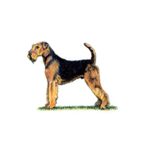
The Airedale Terrier is instantly recognizable for its bold and muscular build, standing as the largest among terriers. Displaying a sturdy, athletic silhouette, this breed has a body that is strong without looking elongated or overly leggy. Its back is straight and powerful, paired with well-sprung ribs and a level topline, giving the dog a cobby yet elegant profile.
The head is long and flat, tapering slightly toward the eyes with no prominent stop. The face is well-defined, with deep, strong jaws and a tight, black nose lending to the Airedale’s keen expression. Dark, relatively small eyes add to their alert look, while the V-shaped ears are carried to the side and sit just above the skull, never drooping or set too high.
The Airedale’s legs are perfectly straight with solid bone, supporting a body built for both agility and endurance. The chest is deep but not broad, giving the dog both stamina and a lean appearance. Its tail, whether docked or undocked, is set high and carried with a distinct air of cheerfulness and strength.
The coat is a defining feature: hard, dense, and wiry, lying straight and close to the body. Under this harsh outer coat sits a softer undercoat. Coat colors feature a black or grizzle “saddle” across the back with the rest of the body and head in a rich tan, often with darker shading around the ears and neck. Adult males typically measure about 23 to 24 inches (58-61 cm) at the shoulder, with females slightly smaller.
Temperament & Behavior
The Airedale Terrier is celebrated for being outgoing, confident, and friendly. This breed’s lively temperament shows in a readiness to participate, ever alert to changes in its environment. While never aggressive, Airedales are naturally brave, approaching challenges or new situations with courage and composure.
At home, an Airedale is usually affectionate and enjoys connecting with its people. This breed often bonds well with children—particularly when raised together and appropriately socialized. Their keen intelligence means they pick up on routines quickly, enjoying mentally stimulating tasks as much as physical play.
True to their Terrier lineage, Airedales display an inquisitive streak and a love for exploration. Hardy and resilient, they combine a strong prey drive with attentive companionship. However, their independence and sense of determination can present training challenges if consistent leadership is not established early.
This breed was originally bred for tough vermin control above and below ground and later worked as messenger and tracking dogs, reflecting a combination of stamina and adaptability. For owners seeking an alert, clever watchdog that is also a loyal home companion, the Airedale Terrier stands out as a dynamic choice.
Care & Living Needs for the Airedale Terrier
The Airedale Terrier’s daily requirement for exercise is notable—plan for up to one hour per day of active play, walks, or structured activity. This breed is happiest in a home with plenty of space to move, such as a large house accompanied by a sizable garden to roam freely and safely.
Grooming is a regular part of Airedale care due to their medium-length, dense, and wiry coat. Brushing should be done every day to keep the fur clean and free of tangles. Despite their striking coat, Airedales do not shed excessively, but professional grooming or hand-stripping is recommended to maintain their signature texture. Keeping the coat in good condition also supports skin health and contributes to the breed’s neat appearance.
Airedales need mental as well as physical stimulation. Puzzle toys, basic obedience, and advanced training challenges tap into their intelligence and help prevent boredom. Without stimulation, a clever Airedale might invent its own mischief, so a consistent routine and enrichment activities are key.
This breed is adaptable to both town and country life, but apartment living is a challenge unless an owner can fully meet the exercise and engagement demands. The Airedale is best suited to active households with the space and time to meet their daily needs. Those seeking a low-maintenance or sedentary dog may find this breed’s energy overwhelming.
Health & Common Issues
The dataset does not specify particular health issues for the Airedale Terrier. Like all large, robust breeds, they benefit from regular veterinary checkups, a balanced diet, and weight management. Routine physical exams can help monitor overall well-being and address any emerging concerns early.
Maintaining a consistent exercise routine offset by appropriate rest helps keep joints and muscles strong. The dense coat should be kept clean and well-groomed to support skin health. Good dental care and routine parasite prevention complete a holistic approach to wellness for this active breed.
Owners should observe for any changes in behavior, appetite, or activity, seeking veterinary advice when unusual symptoms arise. With attentive care and regular checkups, Airedale Terriers frequently enjoy long, active lives well over a decade in length.
Official Breed Standard Summary
The official breed standard for the Airedale Terrier provides a detailed framework for ideal conformation, behavior, and health. The goal is a dog that is fit for function—muscular, agile, and alert. Soundness is emphasized throughout, ensuring that physical traits support the breed’s purpose and well-being rather than exaggerated or unhealthy features.
The standard calls for a large but not cumbersome terrier, with a harmonious balance of strength and agility. Specific guidelines for size, color, and coat are outlined: males generally stand about 23–24 inches at the shoulder, with black or grizzle saddles set against rich tan markings. Only these colors are accepted; any deviation or combination is outside the breed standard.
The Airedale’s harsh, wiry outer coat with a softer undercoat is one of its hallmarks, distinguished by a straight, dense texture that should never be soft or curly. Movement is expected to be free and forward, with the hindquarters providing driving power. Faults are assessed based on their severity and potential impact on health and welfare.
The standard notes that, though typical sizes are outlined, some variation can occur and does not disqualify a healthy, well-proportioned dog. In breeding and judging, emphasis remains on soundness and well-rounded character. Male dogs should have two normally descended testicles, and all traits should be present in the right measure for optimal health and temperament.
Frequently Asked Questions about the Airedale Terrier
Is the Airedale Terrier good for first-time dog owners?
The Airedale Terrier’s intelligence and confidence can make them a rewarding choice, but their independent streak and exercise needs mean they are often best suited for owners prepared to be consistent and actively involved. New owners who are committed to training and engagement will find the breed an enjoyable companion.
How much exercise does an Airedale Terrier need daily?
This breed needs up to one hour of exercise each day, which can include walks, play sessions, and training activities. Active households or owners who enjoy spending time outdoors are usually a great match for an Airedale.
Is the Airedale Terrier good with children?
Airedale Terriers tend to be friendly and confident with children, especially when socialized from a young age. Supervision and respect for the dog’s boundaries help ensure a positive relationship in family settings.
Can the Airedale Terrier live in an apartment?
While adaptable, the Airedale is a large, energetic dog and thrives best in a home with ample space and a large garden. Apartment living is possible but only if the dog’s physical and mental needs are fully met every day.
How much grooming does an Airedale Terrier need?
Airedales require daily brushing to maintain their wiry coat and prevent matting. Regular professional grooming or hand-stripping is also important to keep their coat in good shape and highlight their distinctive look.
Are there common health concerns in this breed?
No specific health concerns are indicated in the current information. Regular veterinary care, attention to diet and weight, and a balanced exercise routine help support a long and active life for the Airedale Terrier.


