
What Are the Traits and Care Tips for Alaskan Malamutes?
The Alaskan Malamute is a powerful, majestic breed celebrated for its history of working alongside humans in some of the harshest conditions on earth. Originally bred by the Mahlemut Inuit tribe, this striking Arctic sled dog is now cherished both for its abilities and its unique presence in family homes. Known for their strength, stamina, and dignified nature, Alaskan Malamutes are best suited for active households that appreciate an energetic and intelligent companion.
Notably affectionate, loyal, and playful when engaged, the Alaskan Malamute can be a devoted family member but is not the right fit for everyone. Owners must be prepared to meet the breed’s significant physical and mental needs, from ample space to daily exercise and grooming. People looking for a highly social, resilient, and interactive dog with a working spirit often find the Malamute to be an ideal match.
- Overview of the Alaskan Malamute
- Key Characteristics
- Appearance of the Alaskan Malamute
- Temperament & Behavior
- Care & Living Needs
- Health & Common Issues
- Official Breed Standard Summary
- Frequently Asked Questions
Group: Working
Size: Large
Exercise needs: More than 2 hours per day
Coat length: Medium
Grooming: Every day
Shedding: Yes
Lifespan: Over 10 years
Ideal home type: Large house
Town or country: Country
Garden needs: Large garden
Overview of the Alaskan Malamute
The Alaskan Malamute is a breed deeply rooted in the working heritage of the Arctic. Its name traces back to the Mahlemut tribe, an Inuit group that relied upon these resilient dogs to haul heavy loads across vast, icy stretches. Over centuries, selective breeding emphasized the Malamute’s power and endurance, making the breed not just strong, but also highly adaptable to cold climates.
These dogs played a vital role in daily survival for the tribespeople, pulling sleds over treacherous terrain, traversing long distances, and even sleeping outdoors through extreme weather. Their thick double coat and well-insulated ears are all about function over form—designed for protection against the elements. Although the modern Malamute is just as capable of braving a snowstorm, most now find their place as loyal companions in active family homes.
The Alaskan Malamute’s strong-willed spirit and need for both space and engagement make it especially well-suited for individuals and families who love the outdoors and value a true partnership with their dog. The breed thrives in environments that mirror its roots: room to roam, meaningful work, and a close bond with people.
Key Characteristics
- Energy level – Exceptionally high; needs vigorous daily activity and mental engagement.
- Trainability – Intelligent but sometimes independent; responds well to firm, consistent training.
- Intelligence – Sharp and resourceful, especially with problem-solving and working tasks.
- Prey drive – Moderate; may chase small animals, so early supervision is recommended.
- Social needs – Strong; enjoys being part of the pack and bonds closely with human family.
- Compatibility with families and children – Generally excellent, especially with active, respectful children.
- Compatibility with other dogs – May attempt to assert dominance, particularly with same-sex dogs; calm introductions are key.
- Guarding or watchdog tendencies – Naturally dignified and impressive, though not an aggressive watchdog by nature.
- Adaptability to city or country life – Best suited to country or suburban homes with ample space and a secure garden.
- Best suited owner type – Active individuals or families experienced with large breeds and eager for outdoor adventure.
- Typical daily routine – Thrives on structured activities, challenging walks, and regular training sessions, paired with relaxed family time.
Appearance of the Alaskan Malamute
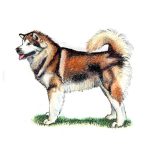
The Alaskan Malamute is an impressive, large breed known for its powerful build and balanced proportions. These dogs stand out due to their heavily boned structure, muscular stature, and a body that never looks short-legged or overly compact. Rather, the Malamute’s physique reflects its history as a freight sled dog—capable of steady, reliable work in harsh environments.
The head is broad and strong, with a gradual taper from broad skull to moderately flat cheeks. Their almond-shaped brown eyes are set slightly obliquely, radiating intelligence and warmth. Blue eyes, however, are highly undesirable in this breed. Malamutes have small, well-furred ears that are set wide apart on the back of the skull, often folding against the head during work or when relaxed. The muzzle is large and substantial, with a strong, scissor bite and noticeable nose pigmentation (often black, but brown in red-and-white dogs; a pink ‘snow nose’ is also accepted).
Moving down the body, Alaskan Malamutes display a strong, moderately arched neck leading into deep, muscular shoulders and straight, well-boned forelegs. The back is firm and gradually slopes downward from the shoulder to the croup, leading to powerful loins and well-muscled hindquarters. Their feet are compact, with thick pads and tufts of protective hair between the toes, well adapted for traction on snow and ice.
The tail of the Malamute is notable, set moderately high and typically carried over the back in a relaxed plume, waving with movement but never tightly curled. The coat is one of the breed’s signature features: a dense, woolly undercoat topped by a thick, coarse guard coat, which stands out particularly around the neck and shoulders. The fur varies in length but is usually medium along the sides, longer on the neck and breeching. As for coloring, Malamutes come in a wide array of shades including light gray, black, gold, red, sable, silver, and even wolf-like tones, always paired with distinct white markings on the underbody, legs, feet, and face. The only solid color allowed is white.
Males typically stand around 25 inches at the shoulder and weigh about 85 pounds, while females are slightly smaller at 23 inches tall and about 75 pounds. These are general guidelines, as actual size may vary.
Temperament & Behavior
Alaskan Malamutes are renowned for their affectionate, friendly, and loyal attitude. While immensely devoted to their families, they do not direct their loyalty exclusively to a single person, instead choosing to bond with everyone in their home. This breed tends to be playful when invited, often displaying a joyful and youthful energy, especially during activities or games with family members.
Despite their playfulness, mature Malamutes develop a sense of dignity and pride. Their presence is often imposing, and as adults, they command respect through their calm and composed demeanor. They are not naturally aggressive but may exhibit dominant tendencies toward other dogs—proper early socialization can help temper this trait. With their strong “pack” mentality, Malamutes typically enjoy the company of humans and other dogs, although supervision is necessary around unfamiliar animals and same-sex dogs.
This breed’s history as a working dog in the arctic—alongside other heroes of the canine world—lends the Malamute a courageous, dependable spirit. They excel in situations requiring stamina, intelligence, and a willingness to collaborate with humans. At home, they often seek involvement in activities and appreciate a role in family life, whether that’s joining hikes, carrying a backpack, or simply spending quality time together.
Potential challenges include the breed’s strong desire for mental stimulation, willingness to test boundaries, and possible stubbornness. Without proper guidance and activity, a Malamute may resort to undesirable behaviors such as digging or vocalizing. Consistent, positive leadership is crucial to bring out the best in this loyal companion.
Care & Living Needs for the Alaskan Malamute
Caring for an Alaskan Malamute requires a dedicated, knowledgeable owner prepared to meet high physical and mental demands. This breed needs more than two hours of active exercise each day, which can include long walks, running in safe, enclosed spaces, sled-pulling activities, and interactive play. A large home with easy access to a spacious, secure garden is important, as these dogs love to roam and stretch their legs.
Ideally, Malamutes thrive in country settings or suburbs where there is ample room. Apartment living or small urban spaces typically do not provide sufficient outlets for their energy and may lead to frustration or behavioral issues. Access to a large, secure garden lets them expend steam and enjoy outdoor time even when walks are limited.
Grooming is a daily requirement due to the Malamute’s dense, medium-length double coat. Regular brushing removes loose hair and helps manage the breed’s penchant for heavy seasonal shedding. Paying close attention to the fur around the neck and between toes will keep the coat healthy and comfortable. Bathing is less frequent but should be done as needed to maintain cleanliness, particularly after outdoor adventures.
Mental stimulation is as important as physical exercise. Malamutes enjoy problem-solving, learning new commands, and engaging in activities that mimic their historical working role. Training should focus on positive reinforcement, establishing boundaries kindly but firmly. This is not an ideal breed for someone seeking a low-maintenance pet or who cannot commit time daily to activity, structure, and training.
Homes unsuited to the Alaskan Malamute are those with limited space, low activity levels, or owners unfamiliar with large, independent breeds. These high-spirited dogs are happiest when treated as true partners in daily life.
Health & Common Issues
Alaskan Malamutes are generally robust, reflecting their origins as working, endurance dogs bred to survive in harsh climates. Their thick coat protects them in cold weather but does require regular upkeep to avoid skin issues and to keep them comfortable, especially as temperatures warm up in non-Arctic regions.
As with many large breeds, it’s important to ensure joints and muscles remain healthy through weight management and proper exercise. Maintaining the right balance of activity is key, as both underexercising and overexercising young dogs can put stress on growing bodies. Regular veterinary checkups will help monitor overall health, detect any changes early, and provide guidance on age-appropriate activities and nutrition.
Routine attention to ears, teeth, and nails forms part of a responsible care regimen. The Malamute’s furry ears should be checked regularly for cleanliness and signs of irritation, while dental hygiene prevents tartar buildup. Owners should also be aware of the breed’s natural shedding and brush the coat accordingly to keep skin healthy.
With proper exercise, grooming, and health checks, the Malamute can be a long-lived and vital companion. Responsible breeding practices and well-informed care help ensure these remarkable dogs remain as healthy as possible throughout their lives.
Official Breed Standard Summary
The official breed standard outlines the preferred appearance, temperament, colors, and movement that define the Alaskan Malamute’s identity. Emphasizing functionality, the standard expects Malamutes to present with heavy bone, powerful build, and balanced proportions. The preferred size is around 25 inches at the shoulder for males (85 pounds) and 23 inches for females (75 pounds), though these are guidelines and individual dogs may range outside these measurements.
Coloration varies widely within the range allowed: agouti & white, black & white, grey & white, red & white, sable & white, seal & white, silver & white, wolf grey & white, wolf sable & white, and white. Markings on the face can appear caplike or masklike, and while white is predominant on the underbody, feet, and legs, broken or spotty colors on the body are not desired. The only solid color allowable is all white.
Movement is described as rhythmic and tireless, produced by a strong drive from the hindquarters. The coat should be of medium length, with a dense, woolly undercoat and a coarse outer guard coat. Any faults which could impact health, soundness, or general welfare are discouraged, and the breed standard underscores the importance of normal structure and movement for wellbeing. Males should have both testicles fully descended.
The breed standard also notes that the size guidelines do not rigidly dictate suitability; type, soundness, and function are paramount. Judges and breeders should always prioritize the health of the breed over exaggerated or detrimental features.
Frequently Asked Questions about the Alaskan Malamute
Is the Alaskan Malamute good for first-time dog owners?
While intelligent and affectionate, Alaskan Malamutes can be challenging for first-time owners due to their strength, independence, and exercise needs. They are usually best suited to people with some experience managing large or working breeds.
How much exercise does an Alaskan Malamute need daily?
This breed requires more than two hours of vigorous activity each day. Activities like long walks, running in secure spaces, or pulling tasks help keep a Malamute physically and mentally healthy.
Is the Alaskan Malamute good with children?
Alaskan Malamutes are generally friendly and playful, making them well-suited for energetic, respectful children. Supervision is recommended, especially around young kids, due to the breed’s size and exuberance.
Can the Alaskan Malamute live in an apartment?
Apartment living is rarely a good fit for this breed. Malamutes thrive in homes with plenty of space and secure outdoor access, such as a large house with a garden in the country or suburbs.
How much grooming does an Alaskan Malamute need?
Daily brushing is essential to manage the breed’s shedding and keep its dense coat healthy. Thorough grooming is particularly important during seasonal changes when Malamutes shed heavily.
Are there common health concerns in this breed?
The Alaskan Malamute is generally robust, but as with all large breeds, regular veterinary care and proper exercise are important to maintain joint health and overall wellbeing. Paying close attention to grooming and weight management helps reduce potential issues.


