
What Are the Traits and Care Tips for Anatolian Shepherd Dogs?
The Anatolian Shepherd Dog is a powerful, alert, and devoted working breed originally bred to protect livestock in the harsh landscapes of central Turkey. Known for its keen intelligence and imposing presence, this dog thrives in the company of experienced handlers who understand its independent spirit and strong guarding instincts. Owners seeking a loyal family companion with a natural protective nature will find the Anatolian Shepherd Dog an outstanding choice, provided the dog’s substantial needs are met.
This breed excels as both a working guardian and a devoted member of households that appreciate a steadfast, low-key companion. While not suited for everyone, especially novice dog owners or those without ample space, the Anatolian Shepherd’s gentle yet confident demeanor around its people is coupled with a watchful, self-reliant outlook that is rooted in centuries of flock protection.
- Overview of the Anatolian Shepherd Dog
- Key Characteristics
- Appearance of the Anatolian Shepherd Dog
- Temperament & Behavior
- Care & Living Needs
- Health & Common Issues
- Official Breed Standard Summary
- Frequently Asked Questions
Group: Pastoral
Size: Large
Exercise needs: More than 2 hours per day
Coat length: Short
Grooming: More than once a week
Shedding: Yes
Lifespan: Over 10 years
Ideal home type: Large house
Town or country: Country
Garden needs: Large garden
Overview of the Anatolian Shepherd Dog
The Anatolian Shepherd Dog has its roots firmly planted in the rugged terrain of Turkey, where it was invaluable to shepherds and nomads who relied on these dogs to watch over their flocks year-round. Their role demanded stamina, hardiness, and an ability to endure both sweltering summers and freezing winters. Over generations, the Anatolian Shepherd was developed to thrive outdoors, traveling great distances and defending livestock from predators with minimal guidance.
This breed’s legacy as a flock guardian is reflected in its cautious, self-sufficient temperament and powerful physical abilities. The Anatolian Shepherd is not just a relic of ancient pastoral lifestyles; it is still highly valued today where natural guarding instinct, independence, and muscularity are prized. These dogs are best suited to experienced owners who can provide adequate challenges, boundaries, and a clear sense of purpose.
With the right care and environment, the Anatolian Shepherd Dog flourishes as both a loyal working partner and a steadfast family member, especially in rural settings or homes with large, secure gardens.
Key Characteristics
- Energy level – Naturally active and needs more than two hours of daily exercise to remain content and balanced.
- Trainability – Intelligent but independent, requiring consistent training from a confident, experienced handler.
- Intelligence – Highly intelligent, capable of making decisions independently, particularly in protective situations.
- Prey drive – Possesses strong guarding and chase instincts inherited from centuries of flock protection work.
- Social needs – Bonds closely to its family but tends to be reserved or aloof with strangers; early socialization is essential.
- Compatibility with families and children – Loyal and protective with children in the household, though supervision is recommended due to size.
- Compatibility with other dogs – Can coexist with other dogs, especially if raised together, but may be dominant or territorial.
- Guarding or watchdog tendencies – Exceptional natural guardian with a strong sense of property and family protection.
- Adaptability to city or country life – Best suited to rural environments with plenty of space; not ideal for city living.
- Best suited owner type – Experienced dog owners who can confidently manage strong-willed breeds.
- Typical daily routine – Enjoys patrolling a large yard, guarding, long walks, and interacting purposefully with its people.
Appearance of the Anatolian Shepherd Dog
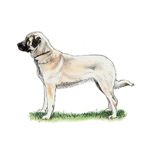
The Anatolian Shepherd Dog commands attention with its impressive, tall stature and substantial, muscular build. Designed for strength and endurance, this breed presents a balanced, athletic silhouette that hints at its working heritage. Mature males and females differ slightly in head width, but both sexes feature broad, strong skulls with a distinct flat area between the ears and a well-defined, square profile.
The eyes of the Anatolian Shepherd are relatively small compared to its large head, set deep and wide apart, ranging in color from golden to brown, edged by dark eye rims that enhance the dog’s intense expression. Ears are medium-sized, triangular, and hang close to the head with rounded tips, rising only when the dog is alert.
Its body is well-muscled without heaviness, featuring a deep chest, straight and strong forelegs, and powerful hindquarters. Feet are compact and arched, built for traction and endurance over varied terrain. The breed’s tail is long and expressive; it hangs low with a gentle curl when relaxed, but curves over the back when the dog is energized or on watch.
The Anatolian Shepherd sports a short, dense, double-layered coat that lies flat, providing insulation against extreme weather. The coat is somewhat longer and thicker around the neck, shoulders, and tail. Typical breed colors include fawn, grey fawn, red fawn, tricolor, and white, often with a black mask, while merle patterns are not accepted.
Impressive in size, male Anatolian Shepherds typically reach 29–32 inches at the shoulder and weigh between 110–141 pounds, while females stand 28–31 inches and weigh 90–130 pounds. Their powerful, slightly arched necks, level backs, and well-proportioned bodies give the breed its durable, well-balanced frame.
Temperament & Behavior
The Anatolian Shepherd Dog is renowned for being steady, bold, and confident, but without overt aggression. The temperament is shaped by a deep-seated independence and intelligence that reflects its history as a flock guardian. This breed shows tremendous loyalty to its family, including children, yet often remains reserved with unfamiliar people or animals.
Within the home, the Anatolian Shepherd is typically calm and composed, watching over its territory and family members with measured vigilance. These dogs form strong bonds but are rarely clingy, preferring to keep a quiet watch rather than seek constant attention. Proper socialization and guidance from puppyhood help ensure a well-balanced companion who knows when to guard and when to relax.
As part of the Pastoral group, the Anatolian Shepherd shares traits with other traditional herding and guarding breeds, including an instinctual drive to patrol and protect. This instinct may translate into wariness of strangers or territorial behavior, making early positive exposure to various situations important. The breed can enjoy living with other dogs, especially when introduced gradually and respectfully.
For owners, the challenge lies in managing the dog’s independent decision-making and strong will. Gentle, confident leadership, paired with consistent boundaries, is essential to bringing out the breed’s best qualities. The Anatolian Shepherd is not a breed that thrives on repetitive games or obedience drills, but responds well to purposeful activities and dignified partnerships.
Care & Living Needs for the Anatolian Shepherd Dog
Providing for the Anatolian Shepherd Dog’s well-being starts with understanding its considerable exercise requirements. This is a breed that needs more than two hours of activity each day, including long walks, patrols in a large garden or yard, and mental challenges to prevent boredom.
The ideal home for an Anatolian Shepherd is a spacious house with a large, securely fenced garden in a rural or semi-rural setting. City apartments or small homes are not appropriate for this breed, as confinement can lead to frustration and behavioral issues. These dogs appreciate having a “job,” whether it is patrolling a property or watching over livestock or family members.
Grooming the Anatolian Shepherd involves brushing more than once a week, especially during periods of seasonal shedding. The short, dense coat is built to withstand harsh weather, but regular maintenance removes loose hair and keeps the skin healthy. Because the breed does shed, some diligence is needed to keep the home environment comfortable.
Training and mental stimulation are just as important as physical activity. This intelligent, independent breed responds best to positive reinforcement and clear, consistent expectations. Owners should focus on basic manners, recall, and regular socialization, while avoiding overly repetitive exercises that may bore the dog. The Anatolian Shepherd is not ideal for those who want a biddable, off-leash companion in busy parks, or for owners without sufficient time or space to invest in the dog’s development.
Health & Common Issues
The Anatolian Shepherd Dog has no widely reported breed-specific health issues based on the available information. These dogs were historically bred for work and hardiness, contributing to their reputation as a robust breed.
General advice for maintaining an Anatolian Shepherd’s health includes scheduling regular veterinary checkups, monitoring body weight, and ensuring that exercise matches the dog’s age and ability. Their size means they benefit from diets and exercise plans that support healthy bone and joint development.
Routine care such as teeth cleaning, nail trimming, and ear checks is important for all large breeds. As with any dog, owners should watch for changes in appetite, behavior, or mobility, and consult a veterinarian with concerns.
Official Breed Standard Summary
The official breed standard for the Anatolian Shepherd Dog provides careful guidelines for ideal appearance, temperament, and physical soundness. It emphasizes a large, upstanding dog with a balanced, athletic build, capable of great stamina and speed. Both dogs and bitches should present a powerful frame, deep chest, strong musculature, and a level, well-proportioned outline.
Coat colors permitted by the standard include fawn with a mask, grey fawn with a mask, red fawn with a mask, tricolor, and white without a mask. The coat should be short, flat, and dense, with a thicker ruff at the neck, shoulders, and tail, and no feathering on ears or legs. Merle coloring is not acceptable. Breed movements should be relaxed and supple, giving the impression of latent power and readiness to work.
The standard notes that faults are assessed by their impact on health and welfare, and any excessive features should be penalized. Male dogs should have two normal testicles fully descended. It also specifies that actual size may vary from the guideline measurements, and that functional soundness always takes precedence over strict conformity to numerical standards.
Judges and breeders are encouraged to avoid traits that compromise the breed’s essential qualities, maintaining focus on the Anatolian Shepherd’s hallmark stamina, intelligence, and robust working abilities.
Frequently Asked Questions about the Anatolian Shepherd Dog
Is the Anatolian Shepherd Dog good for first-time dog owners?
This breed is best suited for experienced owners who are comfortable handling large, independent, and protective dogs. Novice owners may find the Anatolian Shepherd’s strong-willed nature challenging without prior experience.
How much exercise does an Anatolian Shepherd Dog need daily?
The Anatolian Shepherd requires more than two hours of exercise each day, with activities that allow it to patrol, walk, and use its mental and physical energy. A large, secure outdoor space greatly helps meet these needs.
Is the Anatolian Shepherd Dog good with children?
Anatolian Shepherds are known to be loyal and protective with children in their own family. Due to their size and guarding tendencies, supervised interactions are crucial, especially with young children and unfamiliar playmates.
Can the Anatolian Shepherd Dog live in an apartment?
This breed is not recommended for apartment living. The Anatolian Shepherd needs a large house and a spacious, securely fenced garden to thrive, making it much better suited to country living.
How much grooming does an Anatolian Shepherd Dog need?
Regular brushing more than once a week is required, especially during periods of heavy shedding. The short, dense coat is relatively low maintenance but sheds year-round, so consistent grooming keeps the dog and home more comfortable.
Are there common health concerns in this breed?
No specific health conditions are widely reported for the breed, but routine care and regular veterinary checkups are important for ongoing health. As with other large breeds, attention to joint, dental, and general wellness is advised.


