
What Are the Traits and Care Tips for Basenji Dogs?
The Basenji is a unique hound breed that stands out for its elegance, intelligence, and independent nature. With its origins tracing back to Central Africa, this breed has long been cherished for its hunting prowess and striking appearance. Whether as a solo companion or a family pet, the Basenji brings a blend of charm and aloof dignity to any home.
Owners drawn to the Basenji are often those who appreciate a clean, quiet dog with a distinct personality. While this breed can be a devoted and affectionate member of the household, it also thrives with people who understand and respect its independence, moderate exercise needs, and special characteristics. The Basenji has carved out a place as both a capable working dog and a distinctive companion for the right owner.
- Overview of the Basenji
- Key Characteristics
- Appearance of the Basenji
- Temperament & Behavior
- Care & Living Needs
- Health & Common Issues
- Official Breed Standard Summary
- Frequently Asked Questions
Group: Hound
Size: Small
Exercise needs: Up to 1 hour per day
Coat length: Short
Grooming: Once a week
Shedding: Yes
Lifespan: Over 12 years
Ideal home type: Small house
Town or country: Either
Garden needs: Small/ medium garden
Overview of the Basenji
Originating from the Congo region of Central Africa, the Basenji has a rich heritage as an all-purpose hunting dog. Renowned for its silent hunting ability, the breed worked by both sight and scent, relying on its sharp senses and agility to assist local peoples on the hunt. The breed eventually gained popularity in England from the late 1930s and has, since then, built a loyal following among enthusiasts around the world.
One of the most intriguing aspects of the Basenji is its barklessness. Instead of barking, it makes a unique yodel-like sound, a quality that sets it apart from other breeds. Its elegant, gazelle-like movement and poise are matched by cat-like grooming habits, making it an appealing choice for those who value cleanliness in their canine companions.
This breed is best suited for active individuals or families who appreciate a clever, self-assured dog. Owners who enjoy a hound’s spirit, balanced with a manageable size and unique character, often find the Basenji to be a fascinating and rewarding addition to their lives.
Key Characteristics
- Energy level – The Basenji is lively and enjoys daily physical activity but is not overwhelmingly hyperactive.
- Trainability – Smart yet independent, Basenjis require patient, positive reinforcement-based training methods.
- Intelligence – Highly intelligent and resourceful, this breed often figures things out on its own.
- Prey drive – Bred for hunting, they have a keen prey drive and may instinctively chase small animals.
- Social needs – Basenjis enjoy companionship, especially from their humans, but can be selectively social.
- Compatibility with families and children – With proper socialization, they can be affectionate with children and integrate into family life.
- Compatibility with other dogs – Generally gets along with other dogs, though introductions should be managed carefully due to their independent streak.
- Guarding or watchdog tendencies – While not aggressive, the Basenji is alert and will quickly notice unusual happenings around the home.
- Adaptability to city or country life – Comfortable in both urban and rural environments, provided exercise and stimulation needs are met.
- Best suited owner type – Ideal for attentive, patient owners who enjoy interactive and thought-provoking canine companions.
- Typical daily routine – Enjoys physical exercise, time with family, mental games, and periods of solitude for independent exploration.
Appearance of the Basenji
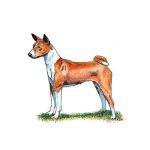
The Basenji’s physical form presents a remarkable combination of elegance and athleticism. With a slim, lightly built frame, these dogs stand high on their legs relative to their body length, giving them a poised and graceful contour. Their size positions them among smaller hound breeds: typical males stand around 17 inches at the withers and weigh about 24 pounds, while females are slightly smaller at 16 inches and about 21 pounds.
The head displays fine, chiselled features that taper toward a dark nose, complemented by delicately wrinkled foreheads—especially in puppies. Eyes are almond-shaped and dark, conveying a far-seeing and inscrutable expression. Erect, pointed ears are set well forward, giving the dog a continuously alert appearance. The strong, arching neck adds an air of dignity, leading into well-laid shoulders and a balanced, deep-chested body.
The Basenji’s hindquarters are muscular and well-formed, providing the drive behind their swift, tireless stride. Feet are small and compact, equipped with deep pads and short nails for agility. A signature feature is the tightly curled tail, which lies in a single or double curl over the back hip, accentuating the breed’s unique outline. The coat is short, sleek, and close, with very fine texture and exceptionally pliant skin.
Coat colors include red and white, black and white, tricolor, and brindle combinations, with white typically present on the feet, chest, and tail tip. The Basenji’s overall impression is one of well-balanced grace, instant alertness, and aristocratic beauty.
Temperament & Behavior
Basenjis are intelligent, alert, and possess a healthy dose of independence. While they bond closely with their families, they may be reserved or even aloof toward strangers, preferring to size up newcomers before acknowledging them. Their affectionate side comes out with trusted people, making them loyal companions who enjoy quiet companionship as much as playtime.
At home, the breed is remarkably clean—much like a cat in its grooming habits and general lack of doggy odor. This barkless breed shouldn’t be mistaken for voicelessness, as it communicates through a mix of chortles, yodels, and expressive body language. These unique sounds are a hallmark trait and often a source of delight for owners seeking something a bit different in their pet.
In terms of social interaction, Basenjis can do well with other dogs if properly introduced and socialized from a young age. Their hunting instincts are strong, so smaller household pets might not always be suitable in the same environment. They are trustworthy companions but tend to maintain their dignity and independence, often exploring their surroundings on their terms.
The breed group hounds, to which the Basenji belongs, is known for dignified yet trustworthy temperaments. Basenjis generally thrive in settings where they can exercise both mind and body, and they benefit from regular routines and clear boundaries provided by their owners.
Care & Living Needs for the Basenji
The Basenji’s energetic yet moderate exercise needs—typically up to one hour of activity per day—make it adaptable to a variety of home types. A small house with a modest garden is sufficient, as long as the dog receives daily walks, play sessions, or time to run and explore in a secure area. Both city and rural living suit this breed, provided it has a safe place for outdoor exercise.
Grooming is refreshingly simple for the Basenji. The short, fine coat sheds but only requires brushing about once a week to keep it looking healthy and to minimize loose hair. Their self-cleaning tendencies mean they rarely develop doggy odors. Owners can manage most grooming at home, focusing on coat brushing, nail trimming, and periodic checks on ears and teeth.
Basenjis are highly intelligent and respond best to positive, reward-based training paired with plenty of mental stimulation. Puzzle toys, scent games, and regular changes of routine help keep their quick minds occupied and discourage boredom-related mischief. Because of their independent streak, harsh or repetitive training methods are unlikely to be successful.
This breed is not the best choice for those seeking a dog that will obey every command or act as a canine shadow. Homes where dogs are left alone for extended periods, or where owners expect a highly submissive temperament, may not provide the right match for a Basenji’s character.
Health & Common Issues
The Basenji is generally a robust breed with a lifespan commonly exceeding 12 years. While no detailed health issues are flagged in current guidance for this breed, responsible ownership still plays a vital role in keeping a Basenji healthy and happy. Regular veterinary checkups and a well-balanced diet are important for ongoing health.
Owners should remain attentive to any changes in behavior, mobility, or appetite and seek professional advice as needed. Good dental care, consistent exercise that matches the dog’s energy levels, and monitoring weight are universal aspects of caring for any dog breed, Basenjis included.
Breeders and owners are encouraged to remain familiar with breed-specific advice from official resources, as health priorities and best practices may evolve. Keeping your Basenji in a safe environment with appropriate activity and regular wellness care can help ensure a long, active life.
Official Breed Standard Summary
The official breed standard for the Basenji offers a detailed blueprint for the ideal characteristics in both appearance and temperament. This standard outlines a dog that is lightly built, poised, and aristocratic-looking, with a wrinkled head, pricked ears, a well-arched neck, and a tightly curled tail. The Basenji’s general proportions and athletic build serve to highlight its grace and alertness.
Accepted coat colors include black and white, black tan and white, brindle, brindle and white, red and white, and tricolor. Essential markings are white feet, chest, and tail tip, with some individuals featuring additional white on the legs or collar. The short, sleek coat is very fine and easy to maintain.
Movement is a notable feature for this breed, referred to as a swift, long, and tireless swinging stride. The standard places strong emphasis on absolute soundness, alertness, and the avoidance of any characteristic that could be detrimental to health or welfare. Minor variations in height or weight from the ideal do not disqualify a dog’s suitability as a family companion.
Potential Basenji owners are encouraged to regard the breed standard as a guide supporting both the function and wellbeing of the dog, rather than as an absolute expectation for every individual. Judges and breeders are advised to avoid rewarding any exaggerated traits that could negatively impact health or quality of life.
Frequently Asked Questions about the Basenji
Is the Basenji good for first-time dog owners?
The Basenji’s independent nature and intelligence may pose challenges for first-time owners. Those willing to learn about reward-based training and appreciate a dog with a mind of its own may find the Basenji a deeply rewarding companion.
How much exercise does a Basenji need daily?
This breed needs up to one hour of exercise each day, which can include active play, walks, and mental stimulation. Providing a secure area to run and explore is particularly beneficial for this energetic dog.
Is the Basenji good with children?
Basenjis can be good with children, especially when socialized from a young age and supervised during interactions. Their affectionate yet dignified temperament makes them suitable for families who understand respectful dog-handling.
Can the Basenji live in an apartment?
The Basenji can adapt to apartment living provided it receives enough daily physical and mental activity. Its clean habits and moderate size also make it suitable for smaller spaces.
How much grooming does a Basenji need?
Very little grooming is required for this breed; weekly brushing usually suffices to keep the short, sleek coat in top condition. Their natural cleanliness means bathing is rarely needed.
Are there common health concerns in this breed?
No specific health issues are highlighted in current guidance, but regular veterinary care and a healthy lifestyle are always recommended. Responsible breeding and attentive ownership contribute significantly to a Basenji’s long-term health.


