
What Are the Traits and Care Tips for Basset Hounds?
The Basset Hound is a beloved member of the hound group, cherished for its unmistakable appearance and gentle, easygoing temperament. With its soulful eyes, long velvety ears, and distinctive low-slung body, the Basset Hound is immediately recognizable and has won the hearts of families and dog enthusiasts alike. This breed appeals to those looking for a companion that combines a relaxed personality with a touch of classic hound tenacity.
Ideal for households that value affectionate pets and enjoy leisurely activities, the Basset Hound seamlessly fits into the lives of both active families and quieter homes. Its steady disposition, pack instincts, and melodious voice reflect its storied history as a scenthound. Whether living in town or country, the Basset Hound brings joy, companionship, and a touch of dignified charm to any home.
- Overview of the Basset Hound
- Key Characteristics
- Appearance of the Basset Hound
- Temperament & Behavior
- Care & Living Needs
- Health & Common Issues
- Official Breed Standard Summary
- Frequently Asked Questions
Group: Hound
Size: Medium-Large
Exercise needs: Up to 1 hour per day
Coat length: Short
Grooming: Once a week
Shedding: Yes
Lifespan: Over 10 years
Ideal home type: Large house
Town or country: Either
Garden needs: Small/ medium garden
Overview of the Basset Hound
The Basset Hound traces its origins to France, where it is believed monks bred these hounds for their remarkable scenting abilities in the Middle Ages. Developed as pack hunters, Bassets were prized for their persistence in tracking game through thick underbrush. Their long, pendulous ears and distinctive, wrinkled skin were prized functional traits, helping them trap scent as they moved steadily along their quarry’s trail. Over the centuries, this breed became a fixture in hunting parties, with their talents even noted in classic literature.
Modern Basset Hounds are much more than just hunting dogs. Although still renowned for their capacity to work as scenthounds, they have become favored companions in domestic settings due to their placid nature and affectionate attitude. The breed’s substantial bone structure and muscular build support a dog that is never frail, yet maintains moderate ground clearance for agility and resilience.
Whether you live in a bustling family home or a quiet country setting, the Basset Hound’s friendly nature and ability to adapt make it suitable for many types of owners. While their hunting roots grant them an independent streak, most Basset Hounds crave companionship and thrive when included as an integral part of the family.
Key Characteristics
- Energy level – The Basset Hound enjoys a moderate activity level and is content with daily short walks and playtime.
- Trainability – Bassets are intelligent but sometimes stubborn, so consistent, positive reinforcement is key during training.
- Intelligence – This breed displays keen scent intelligence and problem-solving skills, especially when motivated by a scent trail.
- Prey drive – With strong roots as a scent hound, the Basset Hound has a noticeable prey drive, especially with smaller animals or when following scents outdoors.
- Social needs – Bassets typically enjoy the company of both people and other dogs, exhibiting a pack-oriented instinct inherited from their hunting background.
- Compatibility with families and children – Their placid and affectionate demeanor makes them excellent with children and suitable for families.
- Compatibility with other dogs – This breed generally gets along well with other dogs and thrives in the company of canine companions.
- Guarding or watchdog tendencies – Basset Hounds are not known for being effective guard dogs, but their deep, melodious bark will alert owners to unfamiliar visitors.
- Adaptability to city or country life – The Basset Hound adapts well to various living environments provided they have enough space and enrichment.
- Best suited owner type – This breed is well-suited to patient owners who appreciate their laidback temperament and are ready to provide daily interaction.
- Typical daily routine – A Basset Hound enjoys leisurely walks, plenty of downtime in the house, and opportunities to sniff and explore in a secure yard.
Appearance of the Basset Hound
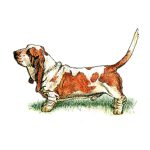
The Basset Hound’s appearance is instantly striking—short-legged, low to the ground, yet possessing remarkable substance and strength. These hounds are medium-large in size, typically standing between 13 and 15 inches at the withers, but their muscular, elongated bodies make them heavy-boned and capable of enduring long days afield. The build is balanced and never exaggerated, reflecting the breed’s working origins and need for athletic fitness.
A distinctive domed head with pronounced brow, long and finely textured ears set low, and a robust, tapering muzzle define the head and facial features. The large, lozenge-shaped, dark eyes have a calm, serious expression, contributing to the Basset’s gentle, soulful look. Their upper lips (flews) overlap the lower, and the nose is always large with open nostrils, perfectly designed for scent work.
The neck is muscular and arched, showing a slight dewlap, while the forequarters are powerful with short, sturdy legs and well-laid-back shoulders. The body is long and deep, with prominent ribs extending well back and a level, broad back supporting the overall structure. Wrinkles of the skin are present but should never become excessive anywhere on the body. Their feet are large, well-padded, and knuckled, fit for traversing difficult terrain.
In profile, the tail is set high, carried with a gentle curve but never curled over the back. The coat is smooth, short, and close, boasting colors such as tricolor (black, white, and tan), lemon and white, red and white, and tan and white. Regardless of color, a Basset Hound’s appearance is marked by strength, dignity, and a practical ruggedness befitting its hunting heritage.
Temperament & Behavior
The Basset Hound’s temperament is characterized by an unmistakable calmness and affectionate nature. In the home, their placid demeanor means they are rarely given to bursts of hyperactivity, making them an inviting presence for families, singles, and seniors alike. Bassets prefer companionship and form strong bonds with their people, as well as with other pets, thriving in environments where they are included as part of the group.
This breed’s strong scent instincts and pack mentality inform much of their behavior. Bassets are tenacious when trailing scents outdoors, which encourages mental engagement and satisfies their ancestral drives. They are not prone to aggression or timidity and tend to greet both new faces and other dogs with openness, albeit sometimes with a dignified reserve that is typical of hounds.
Being part of the hound group, Bassets may sometimes appear independent or stubborn, especially during training. However, this is honestly more a matter of motivation; they respond best to gentle encouragement, patience, and—often—tasty rewards. Their melodious, deep voice, another legacy of their hunting past, can make itself known if they feel left out or when notifying you of something unusual.
For owners seeking a reliable companion rather than a vigilant watchdog, the Basset Hound is an excellent choice. Their trustworthy, even-tempered nature makes them suitable for families with children and other pets, provided early positive socialization is practiced.
Care & Living Needs for the Basset Hound
Basset Hounds require a moderate amount of daily exercise, generally up to one hour per day, which can be met with relaxed walks, play sessions, or supervised sniffing in a secure yard. Because of their sturdy size and weight, it’s important to maintain a reasonable level of physical activity to keep them healthy and prevent unwanted weight gain.
An ideal home for a Basset Hound is a large house, though this breed can adapt well to other environments as long as its space and comfort needs are met. They manage in both town and country settings, and a small- to medium-sized garden allows for extra exploration, which they enjoy. Due to their size and need for interaction, a cramped apartment with no access to outdoor space is less suitable.
Coat care is relatively simple since the Basset Hound sports a short, smooth coat that should be groomed about once a week. Regular brushing removes loose hair and helps control shedding, which occurs year-round. Being close to the ground, Basset Hounds may pick up dirt on their undersides, so periodic cleaning or wiping after outdoor adventures is helpful. Routine ear care is especially important due to their long, thin ears.
Mental stimulation is crucial to prevent boredom and stubbornness. Incorporating scent games, puzzle toys, and positive-based training will help channel their natural intelligence. The Basset Hound is not a breed for those seeking a high-energy, agile companion or for people who may be away from home for long periods, as these dogs thrive on regular attention and gentle structure.
Health & Common Issues
The Basset Hound has a generally robust constitution with a lifespan that often exceeds ten years. The breed benefits from steady exercise and a healthy diet, which help manage their weight and overall wellbeing. As with any breed, regular veterinary checkups, a balanced routine, and attention to grooming contribute to a long and healthy life.
Because of their unique physique—particularly their long body and short legs—owners should take care to monitor their dog’s weight to avoid excessive strain on the back and joints. Moderate, low-impact exercise, such as walking and gentle play, is best. In addition, their long, low-set ears require regular inspection and cleaning to prevent moisture buildup. Teeth and nails should also be maintained as part of any well-rounded care routine.
The breed’s notable eye shape and droopy skin mean simple routine checks should be done to watch for redness, clearing debris when necessary. Responsible care and preventive attention go a long way in maintaining a Basset Hound’s health and comfort throughout its life.
Official Breed Standard Summary
The official breed standard describes the Basset Hound as a strong, well-balanced hound with considerable substance and athletic fitness. Although compact and low to the ground, its proportions emphasize endurance and agility, never allowing exaggeration to compromise health or function. The standard underscores the importance of absolute soundness and the necessity of avoiding features that would negatively impact welfare or mobility.
In terms of size, Basset Hounds stand between 13 and 15 inches at the withers. The permitted colors include tricolor (black, white, and tan), lemon and white, red and white, and tan and white, with any officially recognized hound colors being acceptable. Their coat should be smooth, short, and close-fitting while the skin remains supple yet moderate, eschewing excessive wrinkling or feathering.
The breed standard emphasizes correct movement, expecting a smooth, powerful, and effortless gait with good reach and drive. Formal faults are defined as any departure from these characteristics, with severity contingent on the fault’s impact on health and welfare. Judges are discouraged from rewarding any feature or color deemed unacceptable.
Guidance for prospective puppy buyers clarifies that the official size requirements act only as a guide, and individual dogs may vary. Males should display two fully descended testicles, and all Basset Hounds, regardless of size or gender, should present with the temperament, soundness, and physical qualities that typify the breed’s historic function and spirit.
Frequently Asked Questions about the Basset Hound
Is the Basset Hound good for first-time dog owners?
The Basset Hound’s gentle, patient nature makes it a viable choice for first-time owners who are prepared to handle its independent streak. Consistent training and a willingness to engage with their scent-driven curiosity are key for a successful partnership.
How much exercise does a Basset Hound need daily?
Most Basset Hounds are satisfied with up to an hour of exercise each day, often enjoyed as leisurely walks or play sessions in a safe, enclosed space. Structured activity supports both their physical health and natural tracking instincts.
Is the Basset Hound good with children?
Basset Hounds are known for being affectionate and tolerant around children, often enjoying the companionship of a family environment. Early socialization and supervision help ensure positive interactions with youngsters.
Can the Basset Hound live in an apartment?
While Basset Hounds adapt to a variety of living arrangements, they are best suited to larger homes with some access to outdoor space. If living in an apartment, routine walks and mental enrichment are important to meet their needs.
How much grooming does a Basset Hound need?
Grooming needs are minimal; a weekly brush is generally sufficient due to their short coat. Their long ears and low build require regular checks to prevent dirt accumulation and maintain comfort.
Are there common health concerns in this breed?
Basset Hounds are generally robust but need routine care to preserve joint, ear, and skin health. Keeping your dog fit, clean, and regularly checked by a veterinarian is the best approach to a healthy lifespan.


