
What Are the Traits and Care Tips for a Cavalier King Charles Spaniel?
The Cavalier King Charles Spaniel stands out as one of the most charming and beloved small companion dogs. This breed brings together a rich heritage, keen intelligence, and a warm, affectionate disposition, making it a popular choice for city dwellers, families, and anyone seeking a loving canine companion. Its moderate exercise needs, adaptability, and compact size fit well in a range of living situations, from cozy apartments to homes with small to medium gardens.
Favored by royalty and renowned for its soft, expressive features, the Cavalier King Charles Spaniel excels as a devoted family member. Its gentle, friendly nature makes it and ideal fit for households with children or other pets, while its easygoing temperament offers comfort to seniors and single owners alike. The breed’s need for companionship and interaction means it thrives best with owners able to provide daily attention and care.
- Overview of the Cavalier King Charles Spaniel
- Key Characteristics
- Appearance of the Cavalier King Charles Spaniel
- Temperament & Behavior
- Care & Living Needs
- Health & Common Issues
- Official Breed Standard Summary
- Frequently Asked Questions
Group: Toy
Size: Small
Exercise needs: Up to 1 hour per day
Coat length: Medium
Grooming: More than once a week
Shedding: Yes
Lifespan: Over 12 years
Ideal home type: Flat/ Apartment
Town or country: Either
Garden needs: Small/ medium garden
Overview of the Cavalier King Charles Spaniel
The Cavalier King Charles Spaniel boasts a regal history dating back several centuries. Originating from toy spaniels that graced the laps of English nobility, this breed was particularly cherished in the royal courts of King Charles I and II—so much so that it inherited the king’s name. While their initial role was to provide comfort and companionship, these small spaniels also retained hunting instincts from their sporting ancestors, making them alert and agile as well as affectionate.
The breed’s development included selective refinement of colors and gentle temperament, influenced by notable aristocrats who created variations like the Blenheim, a distinctive chestnut and white, and other color patterns seen today. Over time, a push to preserve the breed’s original appearance led to the modern Cavalier King Charles Spaniel, easily distinguished from the shorter-muzzled King Charles Spaniel by its softer features and sporting background.
Ideal for families, singles, and seniors alike, Cavaliers are especially suited to those seeking a loyal and adaptable lap dog. Their friendly, people-oriented personalities thrive best in loving homes where they are included in daily life and given plenty of human interaction.
Key Characteristics
- Energy level – Moderate; enjoys playtime and daily walks but is content to relax indoors.
- Trainability – Eager to please and responsive to gentle training methods.
- Intelligence – Intelligent and quick to learn new commands, especially when motivated by praise or treats.
- Prey drive – Inherited from sporting spaniels; interested in chasing small animals, but typically manageable.
- Social needs – Highly social and thrives on companionship with people and other pets.
- Compatibility with families and children – Known for strong bonds with children; affectionate and tolerant.
- Compatibility with other dogs – Generally friendly and sociable with other dogs, making them a popular choice for multi-pet households.
- Guarding or watchdog tendencies – Friendly disposition means they make poor guard dogs; may alert to visitors with a bark, but without aggression.
- Adaptability to city or country life – Equally at home in apartments or houses, provided they receive attention and outdoor time.
- Best suited owner type – Owners who can spend quality time daily; suits families, singles, seniors, and even new dog owners.
- Typical daily routine – Enjoys regular walks, interactive play, and lots of cuddle time indoors with their family.
Appearance of the Cavalier King Charles Spaniel
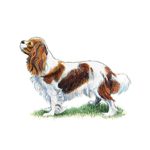
The Cavalier King Charles Spaniel presents a graceful, elegant profile with a small yet well-balanced frame. Typically weighing between 12 and 18 pounds, these spaniels exhibit an active but refined appearance. Their bodies are short-coupled and solid, with a level back, and legs that show moderate bone structure, resulting in a breed that looks sturdy without heaviness.
The head is characterized by a near-flat skull between the ears, a gentle stop, and a well-tapered muzzle of proportionate length. Large, dark, round eyes give them a soulful and appealing expression, while their long, feathered ears are set high, adding to their distinguished look. Their mouths have a regular, scissor bite, and the lips are neatly developed without becoming droopy.
Cavaliers are perhaps most appreciated for their luscious coats—long, silky, and free from curl, although a slight wave is allowed. The feathering on their ears, legs, and tail emphasizes their elegant nature. Four main color varieties dominate the breed standard: Blenheim (chestnut and pearly white, often with a “lozenge” spot on the forehead), Tricolour (black and white with tan highlights), Ruby (solid rich red), and Black and Tan (raven black with tan markings). The tail is well-feathered, in balance with the body, and is carried happily but never awkwardly high.
Temperament & Behavior
The Cavalier King Charles Spaniel is renowned for a temperament that combines affectionate warmth with a “gay” and cheerful disposition. This breed is playful, gentle, and typically non-aggressive, bringing joy and companionship to any home environment. Unwavering friendliness and a distinct lack of nervousness or shyness contribute to their celebrated companionship.
Belonging to the Toy group, Cavaliers have been bred historically for close human interaction. They are happiest when integrated into family life, relishing time spent on laps or involved in household activities. These spaniels handle alone time poorly, often preferring the company of their people or other pets, and may develop separation-related behaviors if regularly left on their own.
In multi-pet households, Cavaliers usually excel; they are sociable with both dogs and non-canine companions. Their affectionate interactions with children stand out, though supervision is always wise with very young kids. Owners benefit from their sporting instincts, as these canines enjoy playful fun but rarely display problematic prey drive. Challenges for owners typically revolve around their sensitivity, meaning harsh training or neglect can affect their happiness and confidence.
Care & Living Needs for the Cavalier King Charles Spaniel
Cavalier King Charles Spaniels need up to one hour of exercise per day, usually satisfied with gentle walks, play sessions, and mental stimulation. Their adaptiveness allows them to live comfortably in flats, apartments, or larger homes, as long as a secure, small or medium garden is available for outdoor time. These dogs appreciate outings but are just as content lounging indoors with their family.
Grooming is more than a once-a-week commitment. Their medium, silky coat benefits from routine brushing to prevent tangling and remove loose hair, as the breed does shed. Attention to feathered ears, feet, and tails helps maintain the Cavalier’s signature look and comfort. Baths can be given as needed, but professional trimming is unnecessary—natural feathering is preferred per breed tradition.
Mental engagement is as important as physical activity. Training sessions should be gentle yet consistent, using positive reinforcement. Cavaliers excel when provided puzzle toys, interactive games, or learning tricks to stimulate their intelligent minds. Because of their gentle nature, they may not be well-suited to homes where they’re left alone for extended periods or where loud, boisterous energy dominates. Prospective owners who travel frequently or are away most of the day might find the breed’s social needs a mismatch for their lifestyle.
Health & Common Issues
Health screening in the Cavalier King Charles Spaniel community is an important tool for maintaining breed wellness. Responsible breeding practices focus on reducing the risk of passing on genetic conditions that can affect these small dogs. Three main health issues are currently the focus of breeder screening, with vigilance aimed at ensuring the Cavalier remains a fit, sound breed.
Though specifics are not detailed, potential owners should be aware that regular veterinary checkups, healthy diet, and balanced exercise are essential for long-term wellbeing. Care should also be taken to monitor for any breed-specific concerns, discuss family health history with reputable breeders, and maintain an appropriate weight to support joints and heart health.
Maintenance of ear, eye, and dental hygiene also supports general health in this breed. If concerns arise, especially if adopting from unknown backgrounds, prompt consultation with veterinary professionals is key to early intervention and disease management. Incorporating preventive care and annual exams helps Cavaliers live lives even longer than twelve years—the benchmark for a healthy individual of the breed.
Official Breed Standard Summary
The official breed standard for the Cavalier King Charles Spaniel outlines a small, active dog that is well balanced and carries a gentle, alert expression. A combination of elegance and athleticism defines their movement, with a gait that is free, parallel, and graceful in action. Absolute soundness, both physical and mental, stands as a fundamental requirement for all individuals of the breed.
In terms of size, the recommended range falls between 12 to 18 pounds, with a focus on maintaining harmony of proportion rather than strict adherence to numbers. The coat must remain long, silky, and untrimmed, presenting in four primary color patterns: Blenheim, Tricolour, Ruby, and Black & Tan. Unique breed features, like the lozenge mark on the Blenheim variety’s forehead, are particularly prized.
Avoidance of exaggerated features or faults detrimental to health or function is emphasized within the standard. Only dogs that meet the correct blend of form, temperament, and appearance should be encouraged into breeding or the show ring. The standard also highlights the importance of two fully descended testicles in male dogs as a note for breeders.
Prospective owners should understand that while the standard provides guidance on ideal size and features, Cavaliers may vary in appearance, and variations do not necessarily indicate unwellness or unsuitability as a companion. Selection for companionship and temperament should go hand in hand with regard to breed type and physical qualities.
Frequently Asked Questions about the Cavalier King Charles Spaniel
Is the Cavalier King Charles Spaniel good for first-time dog owners?
Yes, the Cavalier is renowned for its gentle, eager-to-please character, making it a friendly and manageable choice for those new to dog ownership. Its intuitive social nature and adaptability suit a variety of households.
How much exercise does a Cavalier King Charles Spaniel need daily?
This breed requires up to one hour of exercise per day. Regular walks, gentle outdoor play, and indoor activities keep them happy and healthy without demanding extreme activity levels.
Is the Cavalier King Charles Spaniel good with children?
Cavaliers are affectionate, patient, and known for their love of children. As with all breeds, supervision and gentle handling are important to promote positive interactions, especially with younger kids.
Can the Cavalier King Charles Spaniel live in an apartment?
The breed adapts well to apartment living, provided they receive daily companionship and regular outdoor walks. Their small size and moderate activity needs make them well-suited for urban environments.
How much grooming does a Cavalier King Charles Spaniel need?
Expect to brush your Cavalier more than once a week to prevent matting and manage shedding. While their coat is long and silky, they should not be trimmed, retaining their natural feathering as per the breed tradition.
Are there common health concerns in this breed?
Cavaliers are screened for several inherited health issues by responsible breeders. Regular veterinary care, health checks, and communication with reputable sources ensure the best possible outcome for your companion’s wellbeing.


