
What Are the Traits and Care Tips for Chow Chows?
The Chow Chow is a breed renowned for its striking lion-like appearance and dignified presence. This breed stands out thanks to its unique blue-black tongue, dense mane, and storied history as both a guardian and companion. While the Chow Chow can make an excellent addition to the right household, it is best matched with experienced owners who appreciate the breed’s independent streak and strong character.
Known for taking life at its own pace, the Chow Chow is not your typical outgoing family pet. Instead, it forms powerful bonds with its chosen humans and makes an exceptional watchdog. As a breed that values routine and clear boundaries, the Chow Chow thrives in a secure environment where its loyalty and reserved manner are respected.
- Overview of the Chow Chow
- Key Characteristics
- Appearance of the Chow Chow
- Temperament & Behavior
- Care & Living Needs
- Health & Common Issues
- Official Breed Standard Summary
- Frequently Asked Questions
Group: Utility
Size: Medium
Exercise needs: Up to 1 hour per day
Coat length: Medium
Grooming: Every day
Shedding: Yes
Lifespan: Under 10 years
Ideal home type: Large house
Town or country: Country
Garden needs: Small/ medium garden
Overview of the Chow Chow
The Chow Chow’s history stretches back more than two millennia, with roots in ancient China where it was prized for its versatility and loyalty. Originally known as the Han Dog during the Han Dynasty, this breed served not just as a formidable guard dog but was also used for hunting. During those times, it was valued for its meat, hide, and fur as well, playing a notable role in the daily life and survival of early communities.
By the late 18th century, traders introduced the Chow Chow to the West, and it quickly drew interest for its exotic looks and distinct features, including a blue-black tongue and a fluffy mane reminiscent of a lion’s. Its noble bearing caught the attention of royalty and dog enthusiasts alike, eventually helping it rise to prominence in show circles and as a status symbol among canine aficionados.
The Chow Chow is best matched with owners who appreciate a loyal, low-key companion with guarding instincts and a strong sense of personal space. Its independent nature means that it thrives with people who respect its boundaries and are prepared for a dog that marches to its own beat.
Key Characteristics
- Energy level – Moderate; prefers calm routines over constant activity.
- Trainability – Can be a challenge for inexperienced owners due to its independent streak.
- Intelligence – Highly intelligent, but tends to think for itself rather than blindly follow commands.
- Prey drive – Some hunting heritage, but generally not high in prey drive by modern standards.
- Social needs – Forms deep attachments to family but may be aloof with strangers.
- Compatibility with families and children – Best suited to families with older children who understand canine boundaries and respect space.
- Compatibility with other dogs – May be reserved or even territorial around other dogs unless well socialized from an early age.
- Guarding or watchdog tendencies – Natural guard dog instincts and highly alert to unfamiliar visitors and noises.
- Adaptability to city or country life – Thrives in larger homes with outdoor space, especially in rural or quiet suburban settings.
- Best suited owner type – Experienced dog owners who understand strong-willed, independent breeds.
- Typical daily routine – Prefers structured days with set mealtimes, moderate exercise, and regular grooming sessions.
Appearance of the Chow Chow
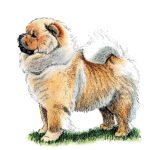
The Chow Chow is an unmistakable figure in the canine world. Medium in stature yet powerfully built, it stands with a proud, dignified bearing, showing off a compact, square frame with a well-knit structure. A signature mane of dense fur around its neck gives the Chow Chow its lion-like appearance, while the tail is set high and carried curled over the back, further emphasizing the breed’s regal air.
Everything about the Chow Chow’s head and face is distinctive. It features a broad, flat skull, with a full muzzle that is neither pointed nor narrow. The breed’s famed bluish-black tongue and gums are a hallmark, highlighting its unique ancient heritage. Deep-set, oval-shaped eyes project an alert and confident gaze, while small, thick ears, angled slightly forward, create the classic scowling expression for which the Chow is known.
The body is sturdy and well-proportioned, with well-sprung ribs, a short back, and strong loins that underscore its working past. Its forelegs are perfectly straight with ample bone, and the feet are compact and cat-like, helping the Chow Chow maintain that characteristic short-striding, pendulum gait that appears effortless and smooth. Hindquarters are powerful with only a slight bend at the stifle, and hocks that are well let down for stability.
Chow Chows have a luxurious double coat that can be either rough or smooth. The rough coat variety features a thick, off-standing outer layer with a woolly undercoat, particularly prominent in the mane and breeches. The smooth coat is plush, dense, and stands away from the body without being flat. Accepted coat colors include black, blue, red, fawn, cream, and white, all solid (though shading is allowed), but never appearing in patches or as parti-colored.
In terms of size, males stand between 19 and 22 inches at the shoulder, while females are slightly smaller. Despite their compact stature, their presence is commanding and full of quiet strength.
Temperament & Behavior
At home, the Chow Chow is the very picture of quiet confidence. Known for being aloof towards strangers, this breed forms a deep sense of loyalty to its chosen family, always keeping a watchful yet dignified presence. Rarely demonstrative, the Chow Chow tends to display affection in understated ways, showing devotion through steadfast companionship and protective vigilance.
The Chow Chow falls under the Utility group, a collection of breeds developed for specific non-sporting purposes. The underlying theme among this group is practicality—a trait the Chow Chow continues to exhibit through its calm demeanor and strong guarding instincts. While it may appear reserved, it is always alert to changes in its environment, making it a natural watchdog with an unflappable temperament.
This breed typically gets along best with adults and older children who respect boundaries. Socialization is vital, as the Chow’s independent nature means it can be wary—sometimes even territorial—around unfamiliar dogs. Early introductions to new experiences, people, and other animals can encourage a more balanced social attitude, helping manage its inherent aloofness.
For some owners, the Chow Chow’s self-reliance and independent thinking can pose challenges in training. Rather than seeking constant approval from its people, this breed responds best to firm but respectful guidance that allows it to retain a sense of dignity. Owners who appreciate and understand these subtleties are often rewarded with a dog whose loyalty, composure, and intelligence enrich family life.
Care & Living Needs for the Chow Chow
Chow Chows require a deliberate, structured approach to daily exercise. Around one hour of activity per day is typically sufficient—this might include brisk walks or short play sessions in a secure yard. Extended or intense physical activity isn’t necessary, making this breed suitable for families who enjoy a moderate pace of life over highly active endeavors like running or agility.
Given the breed’s preference for larger living spaces, a roomy house with access to a small to medium-sized garden is ideal. Chow Chows thrive in country settings where they can stretch out and explore peacefully, but they can adapt to suburban homes as long as their need for personal space is met. Apartments are rarely recommended due to the breed’s size and the importance of having access to the outdoors.
Grooming is an essential aspect of Chow Chow care. Daily brushing is necessary to manage their thick, medium-length double coat—whether rough or smooth—especially when shedding. These dogs are heavy shedders, and neglecting regular grooming can quickly lead to mats and discomfort. Tidying the feet is allowed, but the natural coat should remain unaltered otherwise, as this helps maintain the breed’s classic look.
Mental enrichment and calm, consistent training routines are also important. While the Chow Chow may not crave the constant stimulation favored by more boisterous breeds, it benefits from gentle training sessions using rewards and steady leadership. Patience is key, as this breed responds poorly to harsh corrections or chaotic environments. Those seeking a social, attention-loving pet or an “easy to train” breed may find the Chow Chow’s self-contained nature less suited to their preferences.
Health & Common Issues
The Chow Chow generally enjoys a lifespan of under 10 years, which is considered average for a dog of its size and build. Like all breeds, there are certain health tendencies to be mindful of, especially given its thick coat, robust frame, and unique conformation.
Ongoing attention to grooming is vital for skin health, as the dense fur can trap debris and moisture if not properly maintained. Responsible owners should remain observant of their Chow Chow’s ears, teeth, and general body condition, scheduling regular veterinary checkups to monitor overall wellbeing.
Exercise should be managed with care to avoid both under- and over-exertion. Weight control also plays an important role in maintaining joint and structural health. As part of any proactive care routine, balanced nutrition and attentive home management are essential to keeping the Chow in top form.
As always, sourcing a puppy from responsible breeders who prioritize health and temperament is always advisable. Thoughtful socialization and gentle training can help underline good health and a balanced demeanor throughout life.
Official Breed Standard Summary
The official breed standard for the Chow Chow offers a comprehensive guide to the ideal traits, structure, and temperament that define this distinctive breed. Absolute soundness in health and function is emphasized, with care taken to avoid extremes or features that might impede the dog’s wellbeing. The standard gives clear direction on what makes the Chow Chow unique, from its leonine appearance to its solid black mouth and signature blue-black tongue.
Proportion and balance are key themes: the Chow Chow is active, compact, and well-knit, with a frame that enables free movement and stamina. It stands squarely, with strong, correct legs and a body that is as deep as it is substantial. The tail curls confidently over the back, and the breed’s signature mane and dense coat (either rough or smooth) add a distinctive silhouette—never allowed to grow so profuse as to hinder activity, especially in warm weather.
Acceptable colors include solid black, red, blue, fawn, cream, or white, sometimes with lighter shading on the backside and under the tail, but patches or mixed patterns are not allowed. Any departure from these characteristics—whether in structure, gait, color, or temperament—is considered a fault and weighed accordingly. Males are expected to have two apparently normal descended testicles, and while the standard gives specific size ranges, individual dogs may be slightly larger or smaller.
This breed’s pendulum-like, short-striding movement, lion’s ruff, and proud, aloof attitude are all hallmarks preserved through careful breeding. The official standard calls for a dog that is not only visually impressive, but also functionally sound for its historic purpose as a guardian and companion.
Frequently Asked Questions about the Chow Chow
Is the Chow Chow good for first-time dog owners?
The Chow Chow is best suited for experienced dog owners. Its independent temperament and strong will require consistent, patient handling that may be challenging for first-time owners.
How much exercise does a Chow Chow need daily?
Chow Chows are content with up to one hour of exercise each day. Short walks and calm playtime in a safe area are usually sufficient for this breed.
Is the Chow Chow good with children?
The breed can be a devoted family member, especially with older children who understand and respect its need for space. Supervision is advised, as the Chow Chow prefers a calm, predictable environment.
Can the Chow Chow live in an apartment?
This breed is better suited to a large home with a garden or outdoor space. While some may adapt to apartments, the Chow Chow thrives where it can have more room and quiet surroundings.
How much grooming does a Chow Chow need?
Chow Chows require daily grooming to manage their thick, double coat. Regular brushing helps prevent matting and controls heavy shedding, especially during seasonal changes.
Are there common health concerns in this breed?
No specific health issues are highlighted, but, as with all breeds, regular vet visits and attention to skin, coat, and body condition will help support a healthy life for your Chow Chow.


